





More Than Just a Fiddle-Leaf Fig
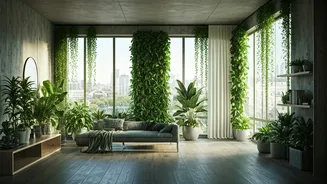
This trend goes far beyond the occasional houseplant perched on a windowsill. It’s part of a larger philosophy called “biophilic design,” a term that sounds complex but has a simple, intuitive goal: to increase connectivity to the natural environment
through the use of direct nature, indirect nature, and space and place conditions. Coined in the 1980s by biologist Edward O. Wilson, the idea is built on our species’ innate tendency to seek connections with nature. In an increasingly urbanized world, designers and everyday homeowners are realizing that what was once all around us now needs to be intentionally invited in. It’s a conscious effort to design spaces that don’t just look good, but feel good on a primal level.
The Science of a Calmer Home
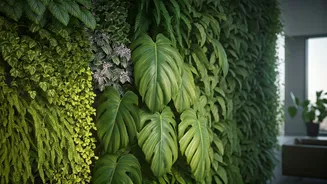
The pull toward biophilia isn't just aesthetic; it's backed by science. Numerous studies have demonstrated the tangible wellness benefits of incorporating natural elements into our indoor environments. Exposure to nature, even in the form of a vibrant plant wall or a view of trees from a window, can lower cortisol levels (the stress hormone), reduce blood pressure, and improve mental stamina. Plants act as natural air purifiers, filtering out common household toxins and releasing oxygen. Even indirect nature—like using natural materials or listening to the sound of a small indoor water feature—can boost mood and creativity. In essence, bringing nature home is a powerful, passive form of self-care, helping to counteract the sensory overload of urban living.
Let There Be Light (and Air)
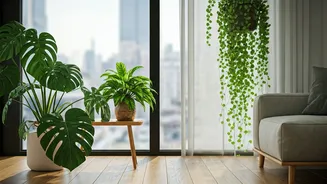
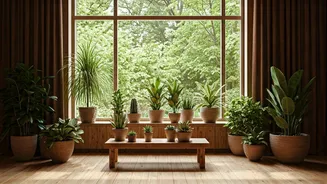
One of the most effective ways to start is by optimizing the natural elements you already have. Maximize natural light by ditching heavy, dark curtains in favor of sheer, light-filtering options that provide privacy without sacrificing sunlight. Keep windows clean and arrange furniture to ensure light can penetrate deep into a room. On warmer days, create a cross-breeze by opening windows on opposite sides of your home to mimic a natural airflow. This simple act not only airs out your space but also connects you to the sounds, smells, and feeling of the world outside, making your home feel less like a sealed box and more like a breathable shelter.
Embrace Natural Materials and Patterns
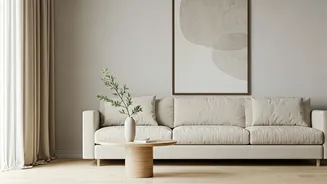
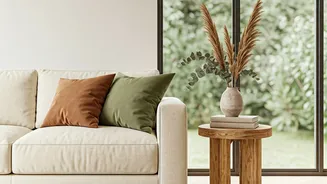
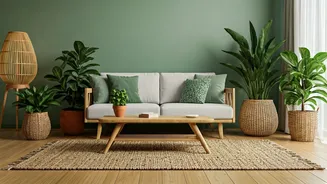
Biophilic design also involves mimicking the textures and patterns of the natural world. Think beyond plastic and laminate and embrace materials that show their origins. This could mean a solid wood dining table with a visible grain, a jute or sisal rug underfoot, or slate coasters on a coffee table. Incorporate textiles like linen, cotton, and wool, which feel better against the skin and connect to an agricultural past. Even patterns can play a role. Look for decor with botanical prints, abstract shapes that evoke water ripples, or honeycomb-like geometric forms. These subtle cues work together to create a rich, sensory landscape that feels organic and grounding.
Cultivate Your Indoor Oasis
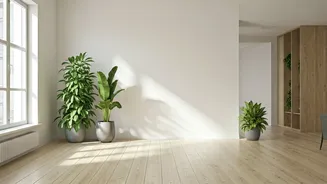
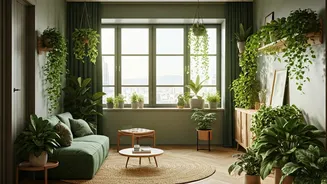
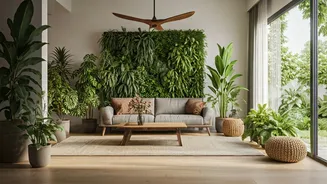
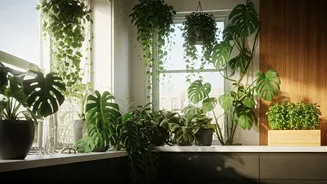
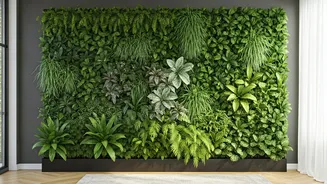
And yes, of course, there are the plants. The key is to be intentional. Instead of scattering single plants around, try creating lush groupings to mimic a natural undergrowth. A “plant corner” with varied heights, leaf shapes, and shades of green can become a powerful focal point. Consider a small indoor herb garden in your kitchen, which provides both greenery and fresh ingredients. For small spaces, think vertically. Hanging planters or a living wall can add a dramatic splash of life without taking up floor space. Choose plants that suit your light conditions and your lifestyle—from the low-maintenance snake plant to the more demanding but beautiful orchid—to ensure your green companions thrive.