




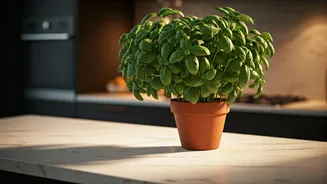
The End of Dirty Fingernails
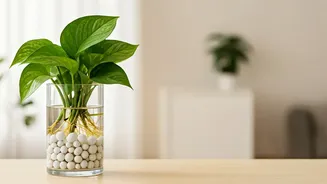
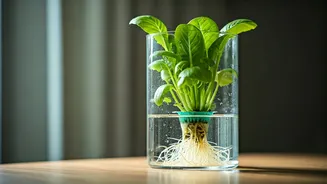
First, let's get one thing straight: “soilless” doesn't mean your plants are floating in thin air, sustained by good vibes alone. It simply means they're grown without soil. The most common method you'll encounter is hydroponics. Instead of digging their
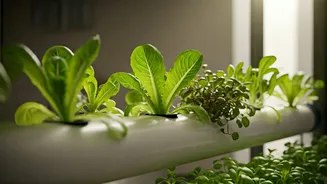
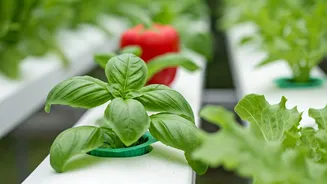
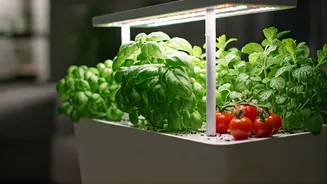
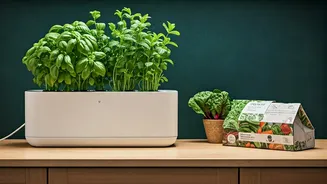
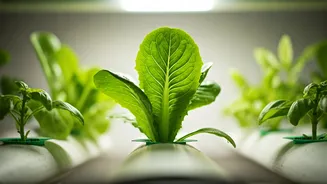
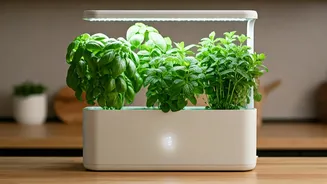
roots into dirt to search for sustenance, plants have their roots directly exposed to nutrient-rich water. Think of it as a VIP meal delivery service. The plant gets everything it needs—water, oxygen, and a perfectly balanced blend of minerals—delivered right to its doorstep (or, root-step). Most beginner-friendly systems are self-contained countertop units that look more like a sleek kitchen appliance than a muddy garden plot. They handle the lighting with built-in LEDs and circulate the water automatically, taking two of the biggest gardening variables completely off your plate.
Why It’s Truly ‘Easy Mode’
The “easy mode” claim isn’t just marketing fluff. Traditional gardening is a constant battle against the elements. Is the soil too dense? Too sandy? Are you overwatering? Underwatering? Have slugs declared war on your lettuce? Soilless systems eliminate most of these variables. There are no weeds to pull. Since it’s indoors, the neighborhood pests and critters are a non-issue. The systems are designed to provide the perfect amount of water, so you can’t accidentally drown your leafy babies. And because the plants don’t waste energy growing extensive root systems to search for nutrients, they put all that energy into growing leaves. The result is shockingly fast growth. A head of lettuce that might take 60-70 days in a garden can be ready for harvest in 30-40 days in a hydroponic unit. It's gardening with cheat codes enabled.
Your Starter Roster of Leafy Friends
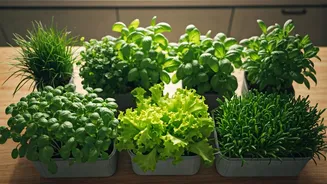
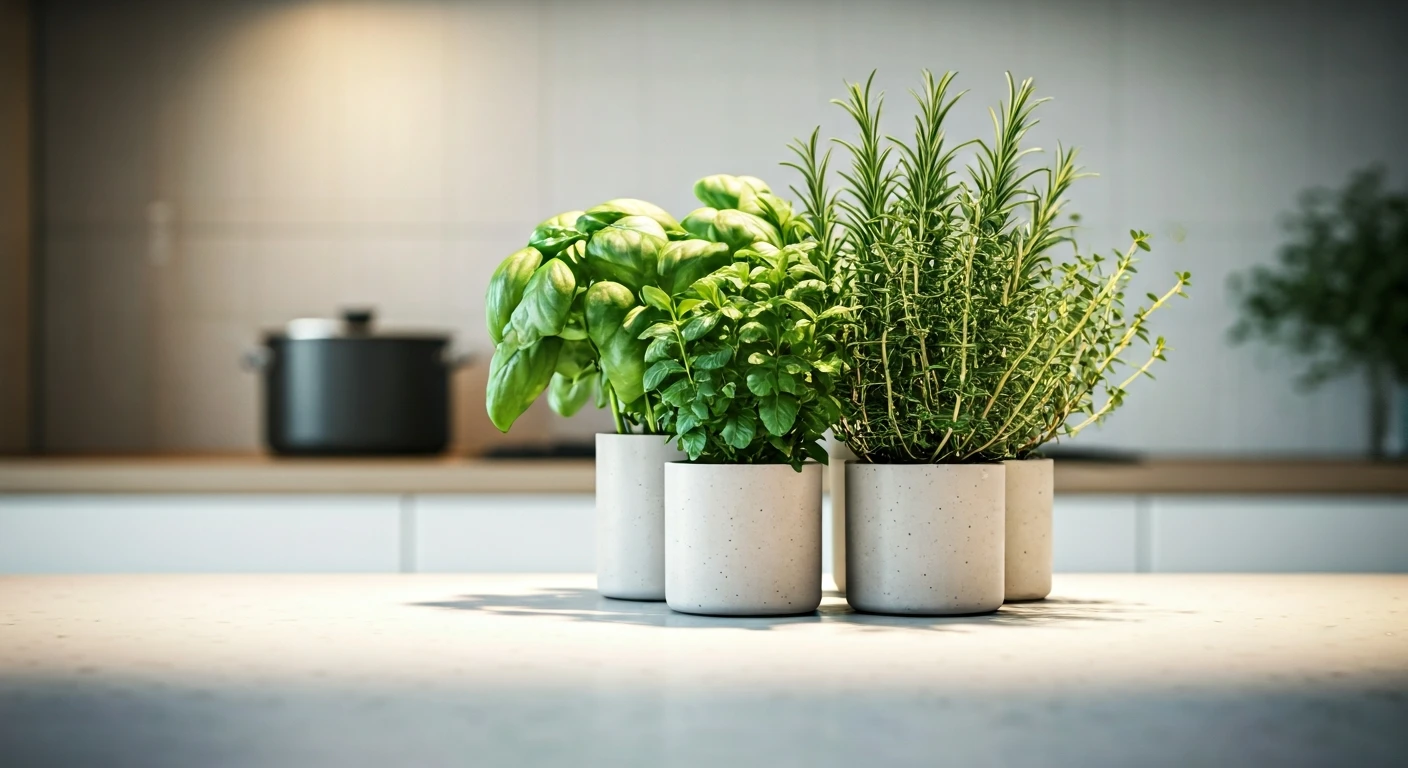
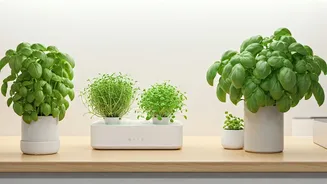
Just like not every pet is right for a first-time owner, not every plant is suited for a beginner’s soilless setup. You’re not going to be growing pumpkins or corn on your countertop. The undisputed champions of home hydroponics are leafy greens and herbs. Think lettuces of all kinds (romaine, butter, red leaf), spinach, kale, and arugula. For herbs, basil is practically a must-have, but mint, parsley, dill, and cilantro also thrive. These plants love the consistent moisture and nutrients, grow quickly, and are “cut-and-come-again,” meaning you can harvest leaves as you need them and the plant will keep producing. It’s the ultimate feeling of abundance: needing a handful of fresh parsley and simply snipping it from your kitchen counter, seconds before you need it.
The So-Called ‘Catch’
Okay, so it’s not completely effortless. While it’s ‘easy mode,’ it isn’t ‘no-play mode.’ The main hurdle is the initial setup cost. A good quality countertop system can range from around $80 to a few hundred dollars. It’s an investment, but one that pays for itself in convenience and delicious, hyper-fresh produce. There’s also a minor learning curve. About once every two weeks, you’ll need to add water and a capful of liquid plant food. It’s a two-minute task, less involved than feeding a fish, but it’s a task nonetheless. You’ll also need to give the reservoir a full cleaning every month or two to keep things running smoothly. But compared to the back-breaking labor of tilling, weeding, and pest control, it’s a remarkably low-maintenance relationship.