






Beyond the Yoga Stereotype
For decades, the popular conception of Indian fitness, both within the country and abroad, has been dominated by yoga and cricket. Physical culture was often tied to spiritual practice or the nation’s favorite sport. Commercial gyms, when they arrived,
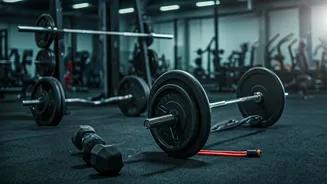
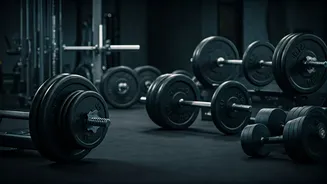
were largely seen as exclusive urban spaces for the affluent, a place for men to build muscle in the mold of Bollywood action heroes. But that landscape is changing, and the dumbbell is at the center of it. A quiet but powerful strength training boom is reshaping what it means to be fit in the world's most populous nation. From bustling Mumbai high-rises to dusty village courtyards, Indians are discovering weightlifting not just as a way to build bodies, but as a tool for empowerment, confidence, and community. This isn't just a workout trend; it's a social shift, challenging long-held ideas about gender, class, and age.
Shattering Gender Barriers
Perhaps the most significant aspect of this movement is the way it's being embraced by women. In a culture where female fragility has often been idealized, the sight of women deadlifting, squatting, and pressing heavy weights is a radical act. For generations, the message was clear: gyms were for men, and strenuous exercise was considered unfeminine and even detrimental to a woman’s marriage prospects. Today, female powerlifters and fitness influencers are national icons with millions of followers on social media. They post videos of their personal records, share nutrition tips, and speak openly about building strength, not just slimming down. This visibility is dismantling the taboo, showing a new generation of girls and women that strength is a virtue. It’s reframing fitness from an aesthetic pursuit focused on being smaller to a functional one focused on being more capable. In doing so, it provides a sense of agency and physical confidence that resonates far beyond the gym floor.
The Power of Accessibility
Unlike spinning studios, CrossFit boxes, or high-end yoga centers that require expensive memberships, weight training has a remarkably low barrier to entry. This accessibility is key to its inclusive appeal. A pair of adjustable dumbbells or a few kettlebells can provide a comprehensive workout at home. In rural areas, where formal gyms are nonexistent, a culture of DIY fitness is emerging, with young people welding their own equipment or using makeshift weights like gas cylinders and cement blocks. This democratizes fitness, detaching it from urban, upper-middle-class lifestyles. It allows people in Tier-2 and Tier-3 cities, as well as villages, to participate in a global fitness trend on their own terms. It’s a form of exercise that meets people where they are, requiring little more than gravity and a desire to get stronger. This breaks down the economic and geographic barriers that have traditionally kept millions of Indians out of the formal fitness ecosystem.
Fitness for Every Age
The inclusivity extends to age. As the science supporting the benefits of resistance training for bone density and metabolic health becomes more mainstream, older Indians are also picking up weights. Fitness influencers in their 40s, 50s, and even 60s are demonstrating that strength has no age limit. They are powerful role models, showing that it’s never too late to start building muscle to combat age-related decline, improve balance, and maintain independence. This marks a significant departure from a cultural mindset where old age was often seen as a period of inevitable physical frailty. By focusing on strength and capability rather than just cardio, weight training offers a proactive path to healthier aging, making it a uniquely versatile tool for a country with a rapidly growing population of senior citizens.