



The Simplest Start: Watering Globes and Spikes
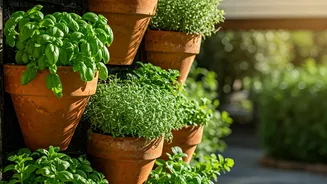
For those with a few beloved houseplants or a small container garden on the patio, the simplest solution is often the best. Watering globes—those decorative glass or plastic bulbs—and terracotta watering spikes are the most basic form of automation. You
simply fill them with water and push the stake into the soil near the plant's roots. As the soil dries out, it slowly draws water from the reservoir through the porous clay or via the open stem. They are incredibly easy to use, require no electricity or plumbing, and are very inexpensive. However, their capacity is limited. Most will only provide water for a few days to a week, depending on the plant's needs, pot size, and ambient temperature. This makes them ideal for a long weekend away, but not for a two-week international vacation.
The Efficient Favorite: Drip Irrigation Kits
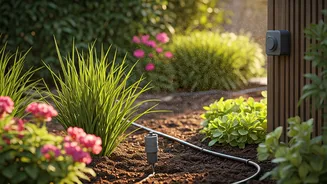
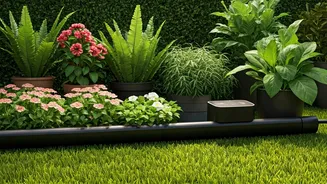
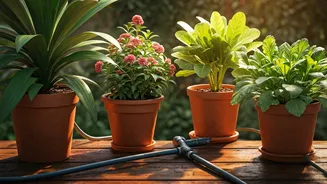
Step into any serious gardener's yard, and you'll likely find a drip irrigation system. These kits have become the gold standard for a reason: they are exceptionally water-efficient and highly customizable. A typical system consists of a main hose that connects to your outdoor spigot, with smaller emitter lines branching off to deliver water to the base of each plant. By putting water exactly where it's needed, you reduce waste from evaporation and runoff. When paired with a simple battery-operated timer, a drip kit becomes a fully automated workhorse. You can program it to water for a specific duration at set times, whether it's every morning or just a few times a week. While initial setup requires some planning and assembly—cutting tubes to length and placing emitters—the result is a precise system tailored perfectly to your garden layout, from vegetable beds to rows of shrubs.
The Broad Stroke: Soaker Hoses and Timers
If you have long, dense garden beds, foundational plantings, or a hedge, laying out a complex drip system can be tedious. This is where soaker hoses shine. These porous hoses are made from materials like recycled rubber and “weep” water along their entire length. Just snake one through your garden bed, cover it with a layer of mulch to maximize efficiency, and connect it to a hose timer. It’s a fantastic way to deliver deep, consistent moisture to a large area without watering the leaves, which can help prevent fungal diseases. Soaker hoses are less precise than drip emitters, so they aren't ideal for gardens with widely spaced plants that have different watering needs. But for uniform rows of vegetables or a thirsty flower border, they provide a simple, effective, and automated watering solution.
The All-in-One: Self-Watering Planters
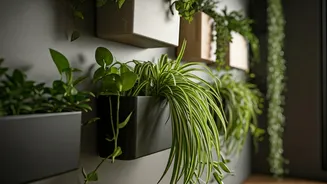
For renters, balcony gardeners, or anyone who prefers a clean, integrated look, self-watering planters are a game-changer. These containers are designed with a built-in water reservoir at the bottom, separated from the soil by a wicking system. You fill the reservoir through a dedicated port, and the plant’s roots draw up moisture as needed. This approach not only provides a consistent water supply for a week or more but also prevents the common problem of overwatering. Because the roots pull only the water they require, the soil stays perfectly moist without becoming saturated. They are perfect for thirsty plants like tomatoes and ferns, and they give a polished, modern look to any patio, deck, or indoor space. The main downside is cost and the commitment to a specific pot, as you can't retrofit an existing container.
The Ultimate Upgrade: Smart Wi-Fi Controllers
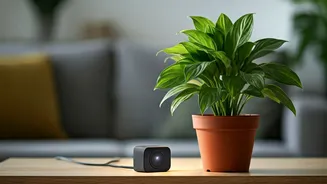
For the tech-savvy gardener who wants ultimate control, a smart watering controller is the answer. These devices replace your standard hose timer or in-ground sprinkler controller and connect to your home's Wi-Fi. Using a smartphone app, you can set detailed watering schedules, run a cycle manually from halfway around the world, and monitor water usage. The real magic, however, lies in their intelligence. Many smart controllers connect to local weather data, automatically skipping a scheduled watering if it has just rained or is about to. This saves water, money, and prevents oversaturation. Some even integrate with soil moisture sensors for hyper-accurate, real-time feedback. While they represent the highest upfront investment and require a stable Wi-Fi signal to reach your garden, smart controllers offer unparalleled peace of mind for frequent travelers who want to ensure their landscape gets exactly what it needs, no matter where they are.