




What 'Passport Power' Really Means
Before diving into the trend, it’s crucial to understand what “passport power” actually signifies. In short, it’s a measure of global mobility. The strength of a passport is determined by the number of countries its holder can enter without needing to apply
for a visa in advance. This can mean complete visa-free entry, a visa-on-arrival, or an electronic travel authorization (eTA) that’s simple to obtain online. Organizations like Henley & Partners publish an annual index that ranks the world's passports based on exclusive data from the International Air Transport Association (IATA). A higher ranking means more freedom of movement, fewer bureaucratic hurdles for travelers, and broader opportunities for business and leisure. For a nation, a stronger passport is a powerful symbol of its diplomatic relationships and its perceived stability and trustworthiness on the global stage.
The Upward Trend by the Numbers
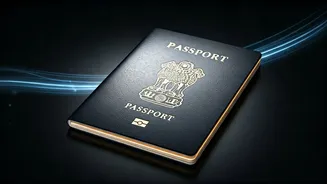
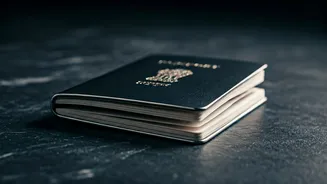
The improvement for the Indian passport isn't a dramatic leap to the top of the charts, but a steady, consistent climb. In the 2024 Henley Passport Index, India ranked 80th, providing its citizens with visa-free access to 62 countries. While this may not sound monumental compared to top-ranked passports like those from France or Japan (which offer access to over 190 destinations), the progress is in the trajectory. A decade ago, in 2014, India’s passport provided visa-free access to just 52 countries. The gain of ten destinations reflects a deliberate, long-term effort. Recent and notable additions to this list include popular tourist destinations like Thailand, Sri Lanka, Malaysia, and Kenya, which have all recently waived visa requirements for Indian tourists. This isn't a coincidence; it's a calculated move by these nations to attract a specific and growing market.
The Diplomatic and Economic Drivers
So, why is this happening now? The answer lies in a confluence of economic momentum and strategic diplomacy. Economically, India is the world's most populous country with a rapidly expanding middle class. This demographic has disposable income and a growing appetite for international travel. Countries that simplify entry for Indian passport holders are making a direct appeal to this lucrative tourism market, hoping to capture a slice of the billions of dollars Indian tourists spend abroad annually. Diplomatically, the Indian government has been actively pursuing visa-waiver agreements as part of its foreign policy. These agreements are a form of soft power, strengthening bilateral ties and signaling mutual respect and trust. By making it easier for its citizens to travel, India is also facilitating business, trade, and cultural exchange, further integrating its economy with the rest of the world. It’s a win-win: other countries get a tourism and economic boost, and India enhances its global footprint.
More Than Just a Vacation
The significance of a stronger passport extends far beyond easier holiday planning. It is a tangible barometer of a nation's rise. For Indian professionals and entrepreneurs, visa-free access facilitates last-minute business trips, networking at international conferences, and exploring new markets with greater ease. It reduces friction and lowers the barrier to global commerce. Furthermore, this trend reflects a broader shift in global dynamics. The world’s economic and demographic center of gravity is moving eastward. The increasing power of passports from non-Western nations like India and China is a clear indicator of this realignment. While the U.S. and European nations have long dominated measures of global influence, the steady improvement of India's passport power shows that influence is no longer a one-way street. It is becoming a more complex, multi-polar landscape where emerging economies are increasingly setting their own terms.