






More Than Just Ugly Produce
When you hear “food waste,” your mind might jump to dented cans or lumpy-looking carrots. While saving “ugly” produce is part of the story, the waste-free movement gaining traction in urban restaurants is far more sophisticated. It’s a comprehensive philosophy
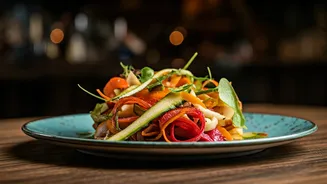
that sees potential in every part of an ingredient. Think root-to-stem cooking, where carrot tops are blitzed into a vibrant pesto and broccoli stalks are shaved into a crisp slaw. Think nose-to-tail butchery, where less common cuts of meat and even bones are transformed into rich broths and flavorful sausages. This isn’t about scarcity; it’s about respect for the ingredient. Chefs are reframing what we consider “scraps” and challenging diners to see them as co-stars of the plate, not refuse destined for the bin.
A Driver of Culinary Creativity
For years, consistency was king in the restaurant world. A diner wanted their favorite dish to taste exactly the same in December as it did in July. The low-waste ethos flips that script, turning constraints into a catalyst for creativity. Instead of a fixed menu, a chef might build their offerings around the odds and ends from the previous day's service. That leftover sourdough becomes a crunchy panzanella salad, the rinds from a wheel of Parmesan infuse a savory broth, and the peels from a case of oranges are candied for dessert or used to create a house-made cocktail syrup. This approach forces chefs to be more agile, intuitive, and connected to their inventory. For diners, it means a more dynamic and interesting experience. The menu is a living document, reflecting a kitchen that is constantly thinking, tasting, and inventing.
Why This Trend Has Legs
The shift toward waste-free dining isn’t just an altruistic whim; it’s fueled by a perfect storm of cultural and economic factors. First, there’s the bottom line. With food costs rising, maximizing every onion, herb, and fish filet is simply smart business. Every scrap that’s repurposed is money saved. Second, diners themselves—particularly younger, urban demographics—are more environmentally conscious than ever. They actively seek out businesses whose values align with their own, and a restaurant that’s transparent about its sustainability efforts holds a powerful appeal. This isn’t just about feeling good; it’s about a tangible connection to a global issue. Finally, high-profile chefs and culinary organizations like the James Beard Foundation have championed sustainability, giving it a stamp of prestige and turning waste reduction from a backend chore into a mark of culinary excellence.
What It Looks Like On Your Plate
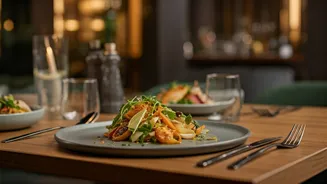
So, how does this trend manifest for the average person going out for dinner? It’s often subtle, woven into the fabric of the dining experience. You might notice a cocktail list featuring “reclaimed” citrus or an “orchard floor” gin infusion made from bruised apples. The menu might highlight a “kitchen scrap” soup of the day or a special using the trim from the steak entree. Some restaurants are more overt, detailing their composting program on their website or celebrating their partnerships with local farms that take back vegetable scraps for animal feed. The unifying theme is resourcefulness. You're not eating garbage; you're eating the delicious result of a chef asking, “What else can this be?” It’s a testament to ingenuity, proving that the most sustainable plate is often the most flavorful one.