


Choose Your System Wisely
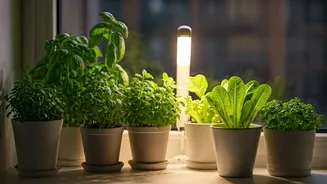
Not all hydroponic systems are created equal for apartment living. For beginners, the Kratky method is a game-changer. It's a non-circulating system with no pumps or electricity—just a container (like a mason jar or storage tote), a net pot, and the nutrient
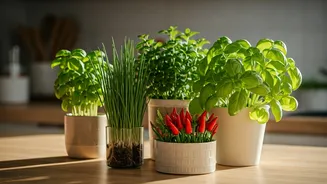
solution. It's perfect for leafy greens like lettuce, spinach, and herbs. If you want to grow larger, fruit-bearing plants like tomatoes or peppers, a Deep Water Culture (DWC) system is the next step up. It uses a small, quiet air pump and an air stone to constantly oxygenate the water, which promotes faster, more robust growth. Start with Kratky for simplicity, then graduate to a DWC for more power.
Master Your Artificial Sunshine
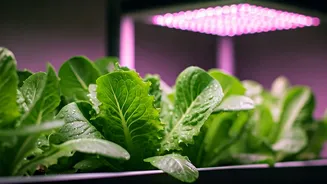
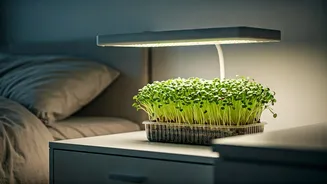
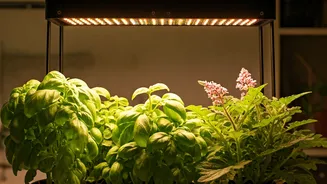
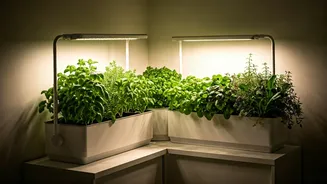
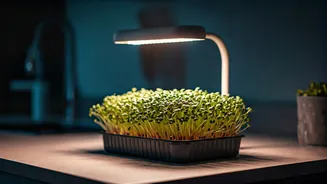
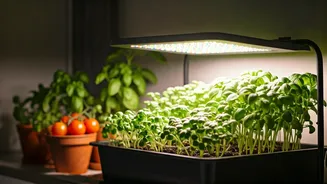
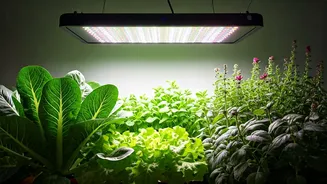
A sunny window is rarely enough, especially in winter or with a north-facing view. Achieving a significant harvest is directly tied to light quality and quantity. Investing in a good full-spectrum LED grow light is the single biggest upgrade you can make. You don't need a giant, industrial fixture. Today’s market is full of compact, high-efficiency LED panels, strips, or clip-on lights designed for shelves and small spaces. Pair your light with a simple outlet timer to ensure your plants get a consistent 12-16 hours of “sunlight” per day. This rock-solid consistency is something nature can’t always provide, and it’s your secret weapon for vigorous growth.
Dial In the Nutrient Solution
In hydroponics, you are the sole provider of your plant's food, so the nutrient solution is everything. While you can mix your own, starting with a quality pre-mixed liquid or powdered nutrient concentrate is far more reliable. Look for a two- or three-part solution (often labeled “Grow,” “Micro,” and “Bloom”), which allows you to tailor the food to the plant's life stage. The non-negotiable tech hack here is a digital pH pen. Most hydroponic plants thrive in a pH range of 5.5 to 6.5. If the pH is off, plants can't absorb the nutrients you're giving them. Testing and adjusting the pH every few days is a small task that pays huge dividends in plant health and yield.
Think Up, Not Just Out
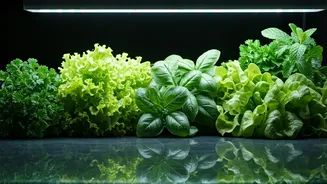
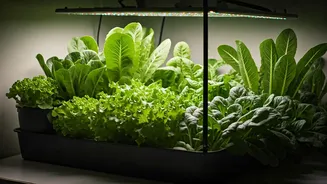
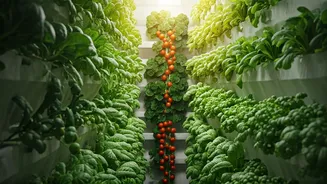
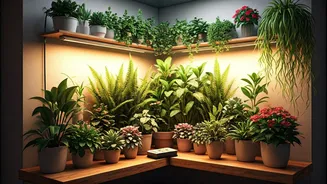
Floor space is the ultimate luxury in an apartment. The key to a large harvest in a small footprint is to utilize vertical space. Wall-mounted systems or, more simply, a basic wire shelving unit can become a multi-level grow tower. By placing an LED light bar under each shelf, you create distinct growing zones without taking over your living room. This strategy allows you to cultivate a variety of crops simultaneously—lettuce and herbs that thrive in cooler temps can go on a lower shelf, while a heat-loving pepper plant gets the top spot. It’s an efficient, organized way to triple your growing area.
Don't Forget Airflow and Oxygen
A stagnant indoor environment is an invitation for pests and mold. This is easily solved with a small, oscillating clip-on fan. Aimed gently near your plants for a few hours a day, a fan helps strengthen stems, deters flying pests like fungus gnats, and improves the plant's ability to transpire. It mimics a natural breeze and is a cheap, low-tech way to prevent a host of common problems. For DWC systems, ensuring the water itself is oxygenated is just as crucial. Make sure your air pump is rated for your reservoir size and use a good air stone to create the fine bubbles that keep roots white, healthy, and rot-free.