



The Stress Factor
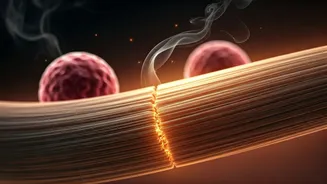
We all know stress is bad, but its effect on hair is surprisingly direct. Significant emotional or physical stress—like a major life event, illness, or surgery—can trigger a condition called telogen effluvium. This pushes a large number of hair follicles
into a resting (or “telogen”) phase. A few months later, you may notice a sudden, dramatic increase in shedding. It’s not that your hair is permanently gone; it’s that a large chunk of it is falling out at once to make way for new growth. While this type of hair loss is usually temporary, chronic, low-grade stress can also degrade hair quality over time by increasing inflammation and affecting the hormones that regulate hair growth cycles. Managing stress through mindfulness, exercise, or therapy isn’t just good for your mind—it’s a long-term hair care strategy.
Hidden Gaps in Your Diet
Your hair is made of protein and requires a steady supply of vitamins and minerals to grow strong. If your diet is lacking, your hair is often one of the first things to suffer, as the body prioritizes sending nutrients to essential organs. Key culprits behind weak, brittle, or thinning hair include deficiencies in iron, zinc, vitamin D, and B vitamins like biotin. A lack of protein is another major factor, especially for those on restrictive diets. Before you rush to buy supplements, consider your plate. Are you eating enough leafy greens, lean proteins (like chicken, fish, or legumes), and healthy fats? An iron deficiency, in particular, is a very common cause of hair loss in women, so if you’re experiencing significant shedding, it’s worth getting your levels checked by a doctor.
Hormonal Ups and Downs
Hormones are powerful messengers that control countless bodily functions, including your hair’s growth cycle. Any significant shift can throw things off balance. This is why many women experience postpartum hair loss or notice changes during menopause. An underactive or overactive thyroid can also lead to widespread thinning. Polycystic Ovary Syndrome (PCOS) is another condition linked to hormonal imbalances that can cause hair thinning on the scalp. Even starting or stopping birth control can trigger a temporary shedding phase. If you suspect a hormonal issue—especially if hair changes are accompanied by other symptoms like fatigue, weight changes, or irregular periods—a conversation with your doctor or an endocrinologist is the best next step.
Your Go-To Hairstyle
That sleek, tight ponytail or high bun might look chic, but it could be the source of breakage and even permanent hair loss. Hairstyles that pull continuously on the hair follicles can cause traction alopecia. This condition involves gradual hair loss, typically around the hairline, caused by prolonged tension. It’s not just tight updos; heavy extensions, tight braids, and weaves can also be responsible. The first sign is often tiny bumps around the follicles or broken hairs framing your face. The good news is that if you catch it early and give your hair a break from tight styling, the follicles can often recover. Alternate with looser styles and give your scalp regular breaks to prevent lasting damage.
Overlooking Your Scalp
Healthy hair grows from a healthy scalp, yet it’s an area most of us ignore until a problem like dandruff or itchiness appears. Product buildup from shampoos, conditioners, and styling products can clog follicles, leading to inflammation and impeding healthy growth. Similarly, an oily scalp can foster an overgrowth of yeast, leading to dandruff and irritation, while a dry, tight scalp can produce brittle hair. Think of your scalp as an extension of your skin—it needs to be cleansed, exfoliated, and moisturized. Using a clarifying shampoo once a week can help remove buildup, and scalp-specific serums or treatments with ingredients like salicylic acid or tea tree oil can address oiliness and flaking.