





More Than Just Miles
For decades, the image of the runner was a solitary one: a lone figure logging miles at dawn, headphones in, world out. But that stereotype is being challenged by a powerful and growing movement that prioritizes community over competition. From Los Angeles
to New York City, informal run clubs are blossoming, built not around race times and training plans, but around a simple, compelling idea: run together, then eat together. These groups are tapping into a deep-seated human need for connection, something many Americans found lacking after years of pandemic-induced isolation and the subsequent shift toward remote work. They offer a “third place”—a social anchor outside of home and the office—where the barrier to entry is little more than a pair of running shoes and a willingness to show up. The run itself is the catalyst, but the community forged over a shared meal afterward is the glue that makes it stick.
The Social 'Carb-Load'
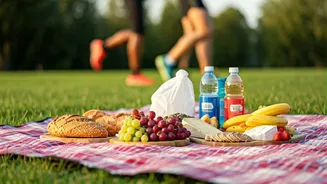
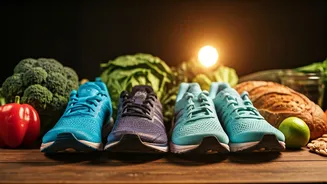
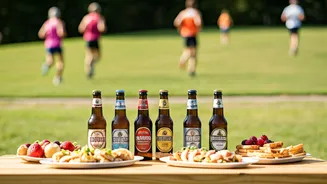
The food is not an afterthought; it’s a core part of the ritual. The specific pairing varies by city and club, reflecting local culture. In Austin, it might be a “Taco Tuesday” run that ends at a beloved taqueria. In Brooklyn, a group might meet for a few miles before descending on a pizzeria for slices and conversation. West Coast clubs often cap their runs with a trip to a brewery, creating a perfect blend of effort and reward. This deliberate fusion of fitness and indulgence pushes back against the restrictive, all-or-nothing mentality that has long dominated wellness culture. It sends a message that health isn't about deprivation. Instead, it’s about balance, joy, and sustainability. The calories burned during the run are easily replaced by the calories consumed, but that’s missing the point. The shared meal is a social transaction, a way to transform a loose group of joggers into a tight-knit circle of friends. It’s where inside jokes are born, advice is shared, and weekend plans are made.
A Club for Every Pace
A key part of this trend's appeal is its radical inclusivity. Unlike traditional, performance-focused running clubs, many of these new groups proudly advertise themselves as being for all paces, including walkers. The goal is participation, not performance. This welcoming atmosphere has attracted a more diverse range of people to the sport. National organizations like Black Men Run have chapters across the country that foster brotherhood through running and social events. Groups like the Bad Ass Lady Gang create safe, empowering spaces for women to run without judgment. Local running stores, breweries, and coffee shops have also become hubs, hosting weekly runs that serve their dual purpose of building community and driving loyal foot traffic. The result is a patchwork of micro-communities, each with its own unique flavor but united by the same foundational principles of movement and connection.
Redefining the 'Runner's High'
Ultimately, the rise of the food-and-fitness run club speaks to a broader cultural shift. People are looking for more authentic, analog ways to connect in an increasingly digital world. A Strava kudos is nice, but it can’t replace the feeling of clinking glasses with someone who just ran the same three miles you did. This movement redefines the “runner’s high” from a purely physiological experience to a social and emotional one. The endorphins from the run are amplified by the camaraderie of the meal. It’s a holistic approach to well-being that recognizes that mental and social health are just as important as physical fitness. By combining a healthy habit (running) with a joyful ritual (sharing food), these clubs are creating something that feels less like a workout and more like a way of life.