

1. The Ever-Reliable Dal
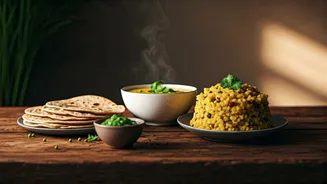
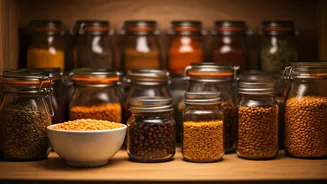
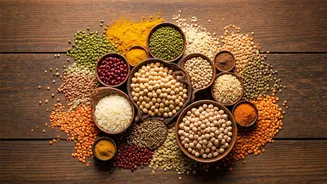
At the heart of Indian pantry cooking is dal, a humble yet profound dish made from lentils, split peas, or beans. Think of it as the foundational comfort food. Every region, and indeed every household, has its own version, but the core principle is the same:
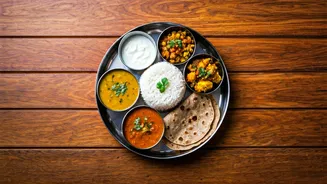
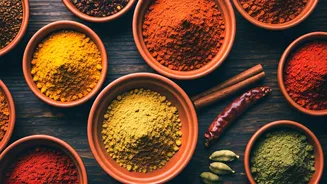
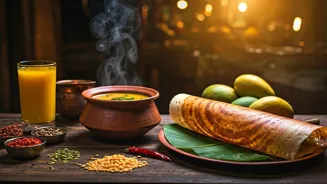
simmered legumes transformed into a soulful, protein-rich stew. The magic happens with the *tarka* (or *tadka*), a finishing flourish of spices like cumin seeds, mustard seeds, turmeric, and dried red chilies sizzled in ghee or oil. This aromatic infusion is poured over the cooked lentils just before serving, releasing a fragrant cloud that signals dinner is ready. From the simple, yellow *dal fry* common in the north to the tangy, vegetable-studded *sambar* of the south, dal proves that a handful of dried legumes and a well-stocked spice rack are all you need for a deeply satisfying meal.
2. The Crowd-Pleasing Chana Masala
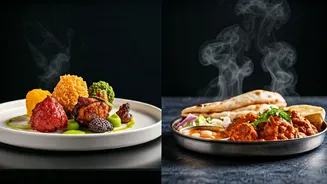
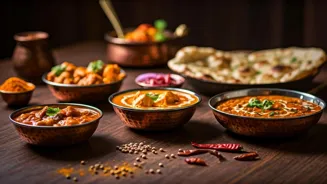
If you've ever ordered Indian takeout, you know chana masala. This robust chickpea curry is a global ambassador for Indian cuisine, and for good reason: it’s a pantry powerhouse. The primary ingredients are canned or dried chickpeas, canned tomatoes, onions, garlic, and ginger—all items with a long shelf life. The complex, tangy, and spicy flavor comes entirely from the blend of ground spices, including coriander, cumin, garam masala, and amchur (dried mango powder) for a distinctive sour note. It’s a complete meal when served with rice or bread like naan or roti, and it’s one of those dishes that tastes even better the next day. Its popularity underscores a key tenet of Indian pantry cooking: with the right spices, you can turn the most basic ingredients into something spectacular.
3. Khichdi: The Ultimate One-Pot Wonder
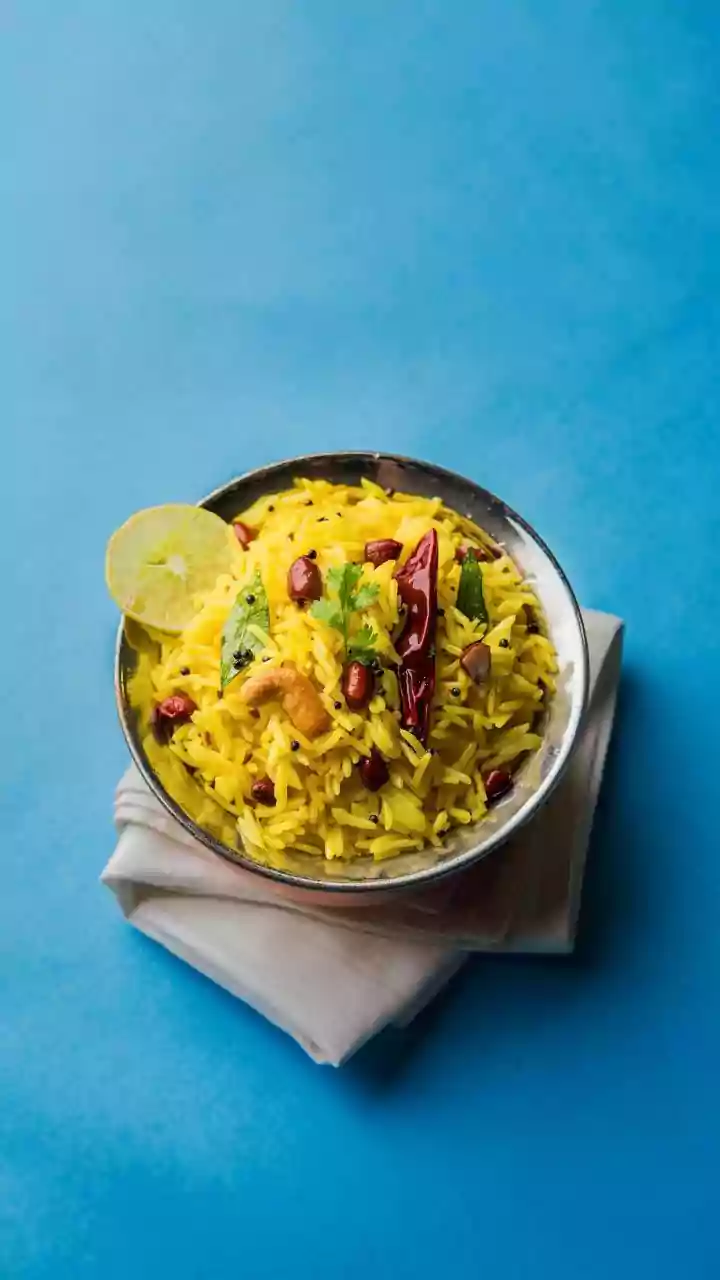
Khichdi is the Indian equivalent of chicken noodle soup, congee, and risotto all rolled into one. It’s the dish people turn to when they’re feeling under the weather, but also a celebrated meal in its own right. At its most basic, khichdi is a simple porridge of rice and lentils (usually moong dal) cooked together until soft and creamy. It’s famously easy to digest and endlessly customizable. A simple version might be seasoned with just turmeric and salt, served with a dollop of ghee. A more elaborate take, like a Bengali *bhog er khichuri*, might include vegetables, toasted spices, and a richer texture. It's the ultimate pantry meal because it requires only two core dry goods—rice and lentils—to create something nourishing and complete.
4. Rajma: The Sunday Ritual
In many North Indian homes, Sunday lunch means rajma-chawal: a rich, slow-cooked kidney bean curry served with steamed rice. While it takes time, the active cooking is minimal. Dried kidney beans are soaked overnight and then simmered for hours until they are meltingly tender, bathing in a thick, aromatic gravy of onions, tomatoes, and spices. It’s a lesson in patience and planning, turning a humble dried bean into a luxurious, deeply flavorful stew. Cooking with dried beans is not only economical but also yields a superior texture and taste compared to canned versions. Rajma is a testament to how pantry cooking isn’t about rushing; it’s about transforming simple, stored ingredients into a meal worthy of a weekend feast.
5. Aloo Sabzi: The Potato’s Potential
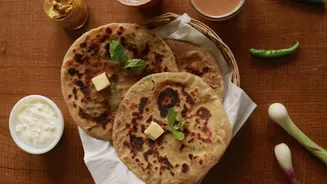
Potatoes are a global pantry staple, but Indian cooking unlocks their full potential. An *aloo sabzi* (potato vegetable dish) is a perfect example. This isn't just a side dish; a well-made sabzi can be the star of the meal, scooped up with fluffy puri or simple roti. The variations are endless. *Jeera aloo* features potatoes tossed with cumin seeds and other spices for a dry, fragrant dish. A more gravy-based version might simmer potatoes in a tomato-onion masala. The beauty lies in how a simple, starchy vegetable absorbs the flavors of the spice box, becoming something entirely new. It’s a reminder that often, the most delicious meals come not from exotic ingredients, but from knowing how to coax flavor from the familiar.