





The Journey Inward
The drive up from the plains is a winding act of decompression. As you leave the noisy, bustling heart of Nainital’s Mall Road behind, the air changes. It thins, cools, and begins to carry the scent of pine and damp earth. You climb past the crescent-shaped
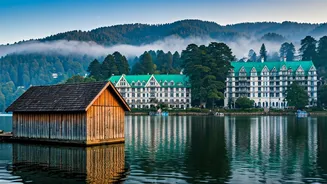
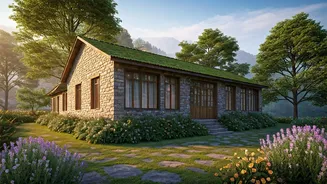
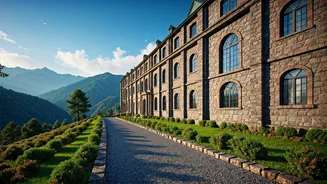
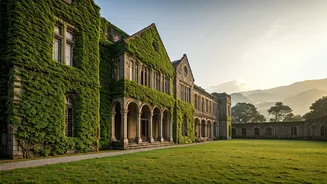
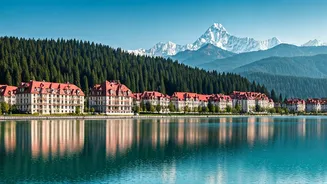
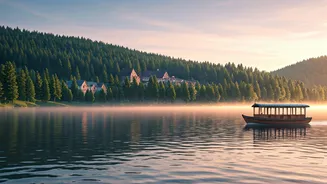
Naini Lake, a sapphire eye gazing at the sky, and ascend into the quieter reaches of the Kumaon hills. The destination isn’t a grand hotel with a bustling lobby. It’s more of a whisper—a stone cottage or a heritage bungalow tucked into a hillside, its colonial-era bones draped in bougainvillea and ivy. The welcome isn’t a concierge with a list of activities; it’s the quiet offering of a hot cup of chai and the unspoken permission to simply arrive and exhale.
A Room of One's Own
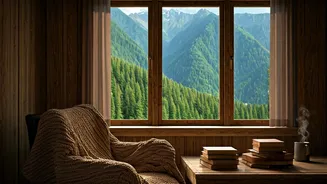
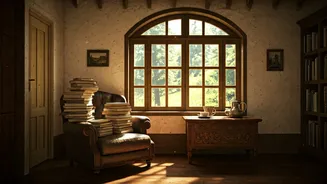
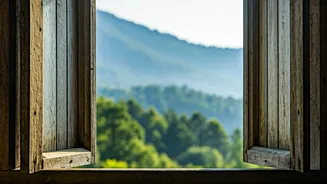
The rooms here understand their purpose. There isn't a television blaring in the corner, vying for your attention. Instead, the focal point is a deep, well-worn armchair angled perfectly toward a large window. This window doesn’t just frame a view; it presents a living painting of terraced hillsides, distant, snow-dusted peaks, or the misty expanse of the lake below. Beside the chair, you’ll find what matters most: a sturdy side table for your tea, and perhaps a small, thoughtfully curated bookshelf. The books aren’t just decoration. You might find a well-thumbed Jim Corbett, a Ruskin Bond novel set in nearby hills, or a collection of poetry that seems to mirror the landscape's contemplative mood. The bed is piled with warm quilts, inviting not just sleep, but long, lazy afternoons spent with a book propped on your knees as the mountain light shifts across the floor.
The Luxury of a Slow Day
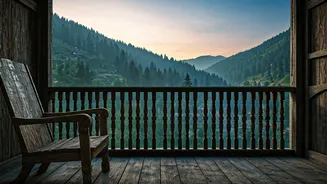
A day at a place like this is measured not in hours, but in chapters. The morning begins with the first rays of sun hitting the peaks and the distant song of a Himalayan bulbul. There is no rush for a breakfast buffet. Time is fluid. You might spend an hour on the veranda, wrapped in a shawl, watching the mist burn off the valley, your book lying unopened beside you as you simply absorb the stillness. After a simple, home-cooked lunch, the afternoon is reserved for the main event. You sink back into your chair and into the world of your novel. The only interruptions are the welcome kind: a staff member quietly refreshing your tea, the shadow of a cloud passing overhead, the gentle chime of a wind chime stirred by the breeze. There are no notifications to check, no tours to catch. The greatest luxury here is the complete and total absence of obligation.
The Soundtrack of Stillness
In our daily lives, true silence is a phantom. We are constantly surrounded by the hum of electronics, the drone of traffic, the digital chatter of our online worlds. Here, the silence is real, but it’s not empty. It’s a rich, textured soundscape composed of natural elements. It’s the rustle of deodar pine needles in the wind, the low buzz of a bee investigating a cluster of wildflowers, the distant, rhythmic clang of a temple bell echoing across the valley. This is the environment that allows for slow reading. Without the constant, low-grade static of modern life, your mind is free to fully surrender to the narrative in your hands. You notice the cadence of the author’s prose, the subtle foreshadowing you might have otherwise missed. The story becomes more vivid, its characters more real, because your mind finally has the space to welcome them in.