


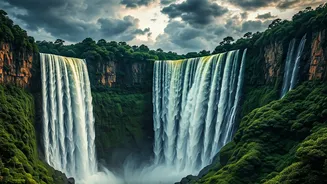


Embrace the Atmospheric Drama
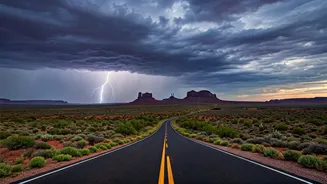
Forget endless blue skies. The North American Monsoon, typically running from late June through September, brings a level of theatricality to the desert that’s unrivaled. Think towering cumulonimbus clouds building over red rock canyons, distant lightning
illuminating the horizon, and the soul-stirring rumble of thunder. This isn’t just weather; it’s a performance. For photographers and sightseers, it’s a golden opportunity. The hours just before and after a storm—the so-called “golden hours”—are softer, with diffused light that makes the vibrant colors of the landscape pop. The drama of a dark, stormy sky against the sunlit mesas of New Mexico or the iconic buttes of Monument Valley creates scenes you simply can’t capture at any other time of year.
Your Smartphone Is the Ultimate Co-Pilot
One of the biggest reasons monsoon travel is “better” now is the technology in your pocket. In the past, travelers were often at the mercy of sudden, unpredictable storms. Today, a suite of powerful weather apps provides real-time radar, lightning strike maps, and flash flood alerts with astonishing accuracy. Apps like MyRadar, Dark Sky, and the Weather Channel’s app can give you a minute-by-minute forecast, showing you exactly where a storm cell is and where it’s headed. This allows for smarter planning. You can watch a storm approach from a safe viewpoint, time your drives between downpours, and receive critical alerts from the National Weather Service about hazardous conditions on your route. This transforms the experience from a gamble into a calculated, and much safer, adventure.
Know the Risks, Pack for Success
Appreciating the monsoon doesn't mean ignoring its power. Flash floods are the single biggest danger. A dry wash or arroyo can become a raging torrent in minutes, even if it’s not raining where you are. The cardinal rule is simple: never, ever drive through a flooded road or camp in a dry wash. Always check road conditions before you set out, as closures are common. Your road trip kit should be monsoon-ready. Pack extra water and food in case you get stranded by a temporary road closure. Ensure your tires have good tread for wet roads, and check that your windshield wipers are in top condition. A good rain jacket and waterproof shoes are non-negotiable. Being prepared doesn’t diminish the magic; it allows you to enjoy it without worry.
Chase the Desert “Green-Up”
The most stunning secret of the monsoon season is the transformation it brings. The parched desert landscape, often muted in tones of brown and tan, explodes with life after the first few rains. This phenomenon, sometimes called the “green-up” or second spring, sees wildflowers bloom, grasses sprout, and the palo verde and creosote bushes become intensely fragrant. The air itself feels cleaner and carries the distinct, earthy scent of petrichor—the smell of rain on dry soil. A drive through areas like the Sonoran Desert near Tucson or the high plains around Santa Fe becomes a journey through a suddenly lush, vibrant world. This fleeting period of abundance is a powerful reminder of the desert’s resilience and a beautiful counterpoint to its usual austerity.
Find the Perfect Monsoon-Ready Routes
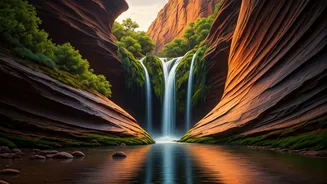
Certain drives are practically made for this season. In Arizona, the stretch of State Route 89A through Oak Creek Canyon from Sedona to Flagstaff is breathtaking, with waterfalls cascading down the red cliffs after a storm. The scenic drives around the Grand Canyon’s North and South Rims offer epic views of storms moving across the vast expanse. In New Mexico, the High Road to Taos provides stunning vistas of the Sangre de Cristo Mountains, often wreathed in dramatic clouds. The key is to plan routes on well-maintained, paved roads and to build flexibility into your schedule. The goal isn’t to cover as many miles as possible, but to slow down and experience the landscape as it changes with the weather.