




The Rise of Virtuous Blandness
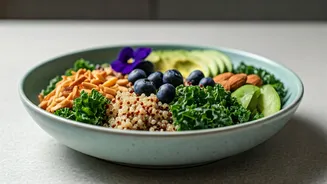
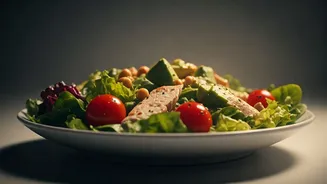
Let’s rewind to the mid-2010s, the peak of a certain kind of wellness culture. It was an era defined by what it excluded: gluten, dairy, sugar, salt, and, seemingly, joy. The ideal plate, promoted by influencers and lifestyle gurus, was often a study
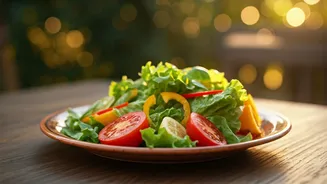
in minimalism. Food was fuel, and its primary virtue was its purity. This movement gave us juice cleanses as meal replacements, cauliflower as a substitute for everything, and the pervasive idea that if food tasted too good, it was probably bad for you. This wasn't just about nutrition; it was an aesthetic. The look was clean, muted, and stripped-down—the culinary equivalent of a minimalist Scandinavian apartment. It was food as self-denial, a performance of discipline. While the intention was to promote health, the result was often a monotonous diet that left many feeling deprived, equating wellness with a joyless, punishing regimen that demonized entire food groups and cultural cuisines.
A Revolution in a Condiment Jar
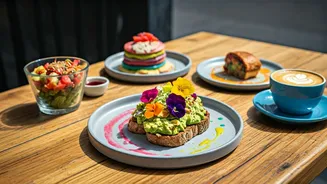
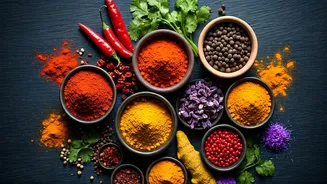
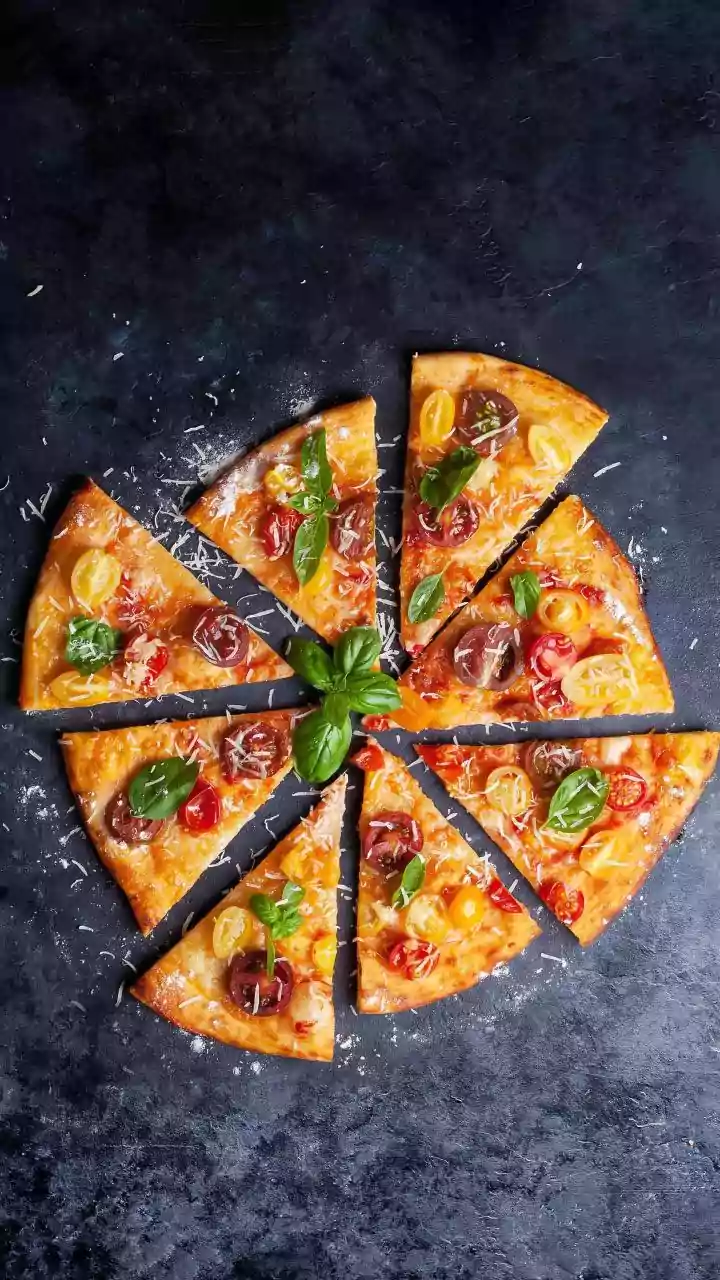
The backlash didn't happen overnight, but it was decisive. It started bubbling up in condiment jars and on social media feeds. Suddenly, flavor wasn't the enemy; it was the star. We entered the age of chili crisp, that crunchy, savory, electric-red Sichuan condiment that now lives in pantries across America. We fell in love with the funky, fermented complexity of gochujang, kimchi, and miso. The spice rack expanded beyond paprika and garlic powder to include sumac, za’atar, and berbere. This new era champions sensory overload. We’re embracing 'swicy' (sweet and spicy) combinations like hot honey drizzled on pizza and spicy margaritas. Sour is having a moment, with tart fermented foods and tangy tamarind pastes gaining traction. Umami, the fifth taste of savory satisfaction, is being sought out through mushrooms, seaweeds, and nutritional yeast. This isn't about masking ingredients; it's about making them sing. It’s a complete rejection of the idea that healthy food has to be boring.
Why the Sudden Thirst for Flavor?
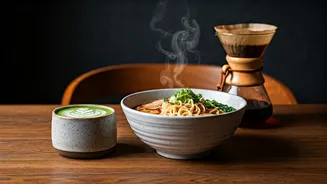
Several forces are driving this delicious pendulum swing. First, social media platforms like TikTok and Instagram have become global culinary classrooms. A home cook in Ohio can watch a creator in Seoul make kimchi jjigae and, within hours, be inspired to try it. Visually, a bowl of vibrant, glossy noodles will always be more compelling than a pale chicken breast. This exposure has democratized access to global cuisines, breaking down the dominance of the Western-centric wellness model. There’s also a powerful post-pandemic element. After years of uncertainty and restriction, people are actively seeking pleasure, comfort, and excitement. Food is one of the most accessible ways to find it. The shared experience of baking sourdough bread in 2020 reminded us that food is about connection and joy, not just macros. This has evolved into a broader rebellion against diet culture's restrictive rules, with a growing number of people looking for a more balanced, sustainable, and enjoyable way to eat.
From Niche Markets to Your Supermarket
This isn't just a trend for adventurous foodies in major cities. The demand for bold flavor has officially hit the mainstream. Walk down any grocery store aisle and you’ll see the evidence. Major brands are rushing to release 'spicy' or 'hot' versions of their classic products, from ketchup to potato chips. The international foods aisle is expanding, no longer a small, dusty corner but a central feature of modern supermarkets. Restaurant menus are reflecting the shift, too. Fast-casual chains are adding gochujang-glazed chicken sandwiches, and even fine-dining establishments are incorporating fermented elements and complex spice blends into their dishes. The message from the market is clear: consumers are bored with bland. They want food with a story, a kick, a personality. They want their meals to be an experience, not an obligation.