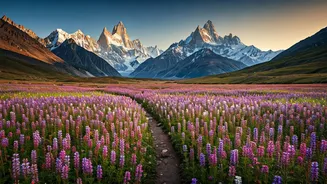



The Valley of Flowers
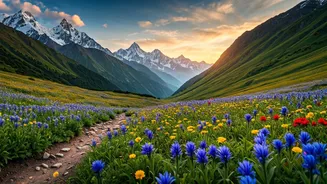
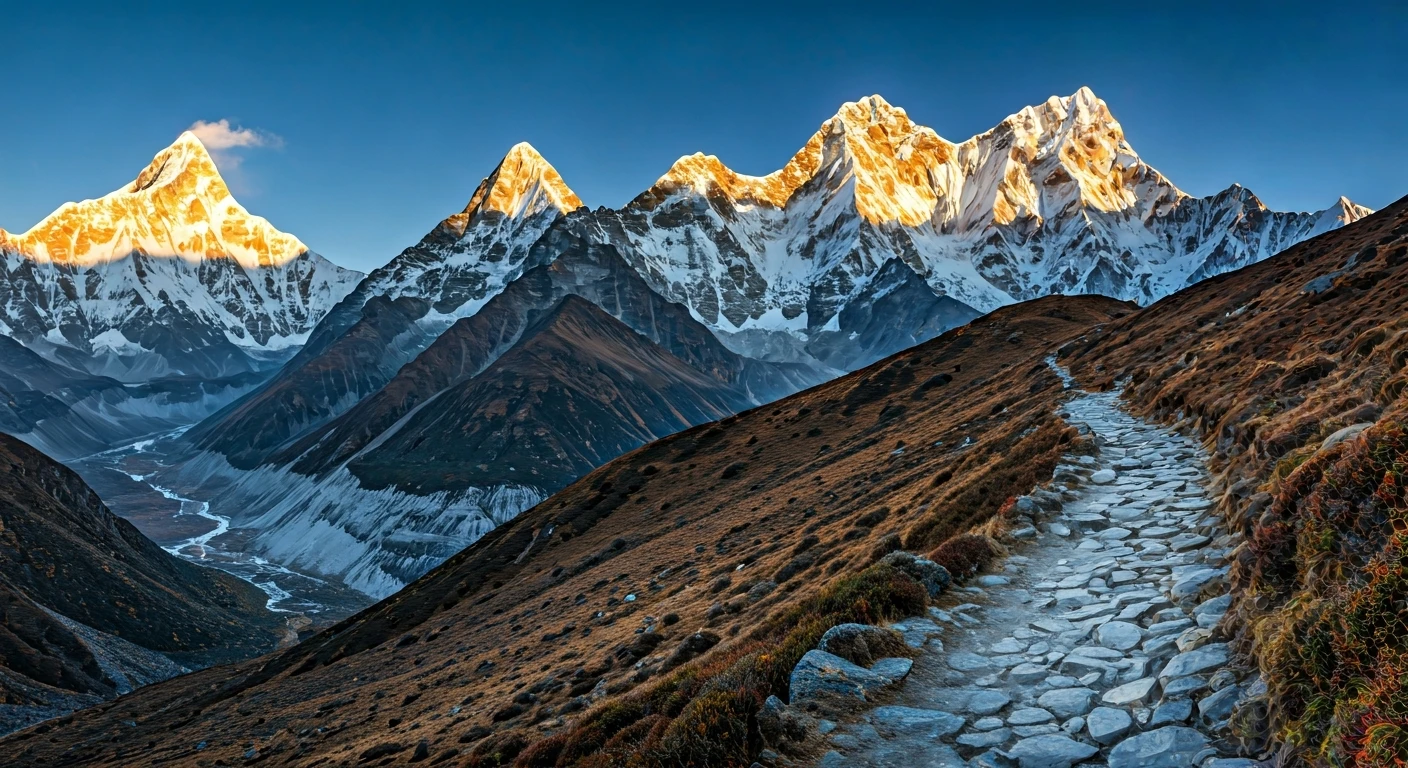
The phenomenon is centered in one of the world’s most breathtaking locations: the Valley of Flowers National Park in Uttarakhand, India. This UNESCO World Heritage site is a high-altitude Himalayan valley that remains blanketed in snow for most of the year.
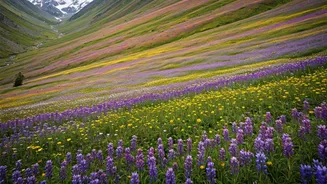
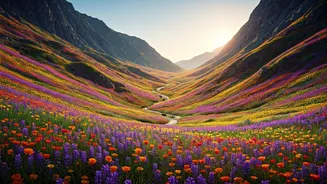
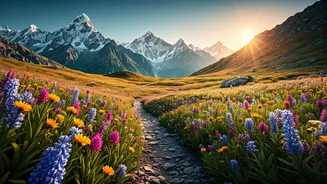
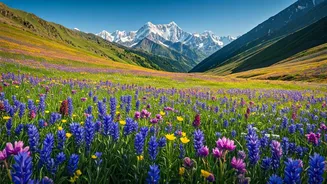
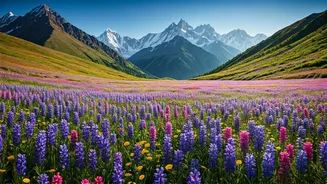
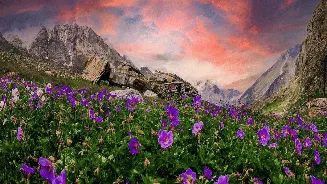
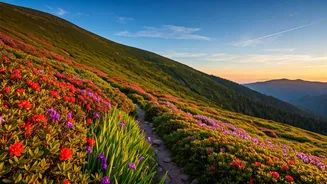
But for a brief window after the monsoon rains, typically from late July through early September, it undergoes a spectacular transformation. The entire valley floor, nestled between snow-capped peaks, erupts into a living carpet of millions of alpine flowers. Unlike manicured gardens, this is nature at its most raw and magnificent—a wild, sprawling canvas of color at 12,000 feet. The air grows thick with the scent of blossoms, and the landscape, once stark and white, becomes a riot of purples, yellows, reds, and blues. For trekkers, it’s not just a destination; it’s a pilgrimage to a place that feels otherworldly.
A Carpet of Mythic Color
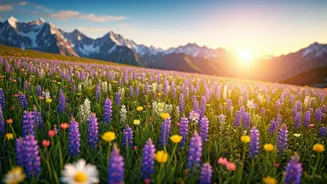
This isn't your average display of wildflowers. The Valley is home to over 500 species, many of which are endemic to the region and found nowhere else on Earth. Trekkers come seeking legendary blooms that are as much a part of local folklore as they are of the ecosystem. The most sought-after is the elusive Himalayan Blue Poppy (Meconopsis aculeata), a flower of such a deep and startling blue that it seems almost unreal. Another prized sight is the Brahma Kamal, a saucer-shaped, ethereal white flower that blooms only at night and is considered sacred in Hindu mythology. Alongside them are countless other gems: cobra lilies, potentillas, geraniums, and vast fields of anemones. The sheer density and diversity create a dynamic landscape where every turn of the trail reveals a new palette of colors and textures, all set against the dramatic backdrop of 22,000-foot peaks.
The Journey to the Valley
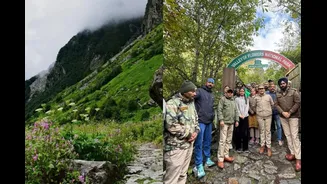
Reaching this floral paradise is an adventure in itself, which is part of its profound appeal. The journey is a multi-day trek that rewards effort with unparalleled beauty. Most expeditions begin from the small town of Govindghat. From there, it's a strenuous but stunning hike of about 8 miles to the village of Ghangaria, which serves as the base camp for treks into the valley. The trail follows the gushing Pushpawati River, crossing wooden bridges and passing through forests of pine and rhododendron. The trek is considered moderately difficult, involving steep ascents and long days of walking at high altitude, so physical fitness is essential. After acclimatizing in Ghangaria, trekkers make the final 3-mile ascent into the valley proper. The moment you pass the entrance and the valley opens up before you is one that few who experience it ever forget—a reward for every single step taken to get there.
Planning Your Himalayan Bloom Rush
Timing is everything. The window to see the valley in its full glory is narrow, generally lasting from the last week of July to the first week of September. Outside this period, the valley is either under snow or the flowers have begun to wilt. Due to its fragile ecosystem, access is regulated. A permit is required to enter the park, and visitors are only allowed in during the day; overnight camping is strictly forbidden. This means daily trips from the base camp at Ghangaria. While it's possible for experienced hikers to organize a trip independently, most people opt to go with a reputable trekking company. They handle logistics like permits, accommodation, and guides, making the experience safer and more accessible. Hiring a local guide is also highly recommended, not only for navigating the trails but also for their invaluable knowledge of the local flora and fauna.