
More Than Just Beige
For years, minimalism was misinterpreted as a cold, clinical pursuit of emptiness. Think stark white walls, a single uncomfortable chair, and a general feeling that a human being has never, ever spilled anything in the room. Warm Minimalism is the graceful,
grown-up correction to that idea. It’s not about deprivation; it’s about intention. It keeps the core minimalist principle of ‘less is more’ but redefines ‘more’ to include soul, texture, and personality. At its heart, this is a style that champions a curated, uncluttered life without sacrificing the comfort and history that make a house a home. It asks you to surround yourself only with things that are beautiful, useful, or deeply meaningful—and it argues that those things should feel good to touch and see.
The Foundation: Clean Lines
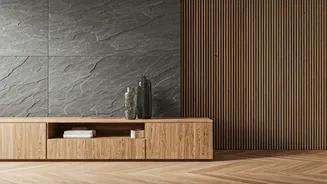
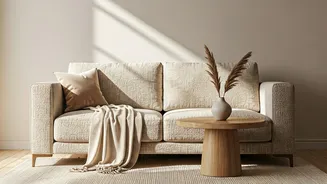
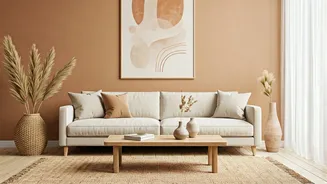
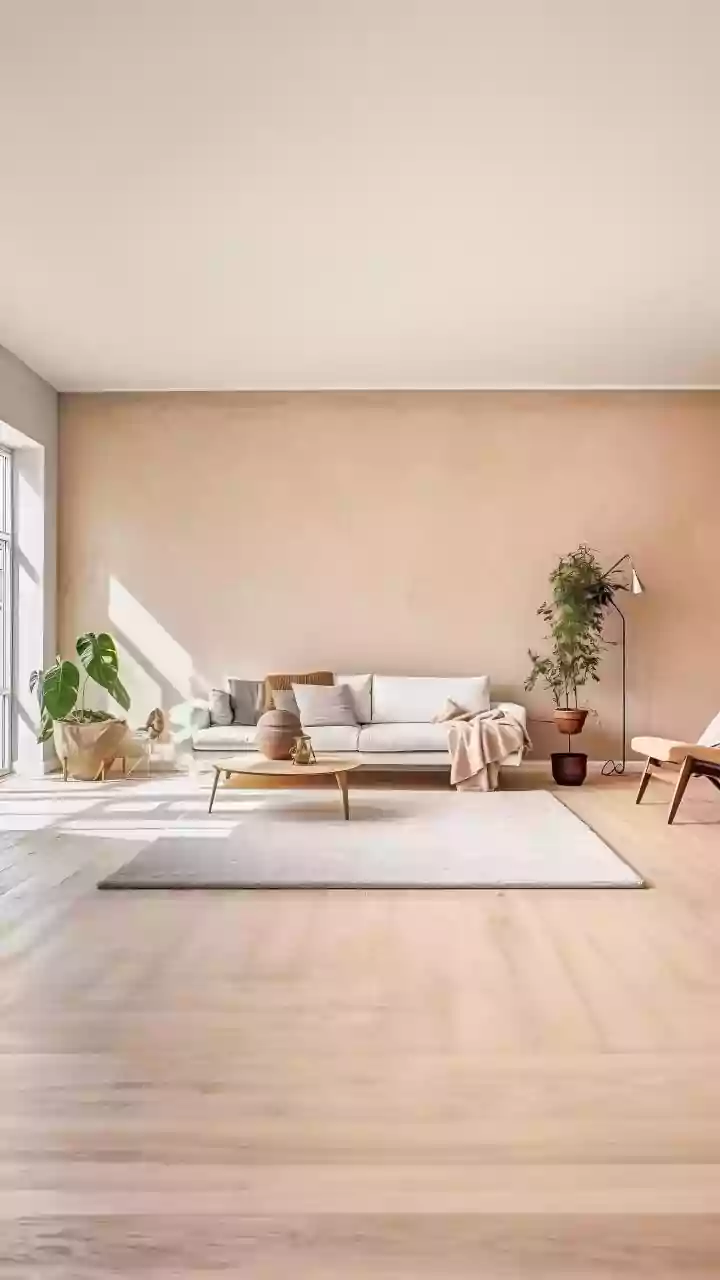
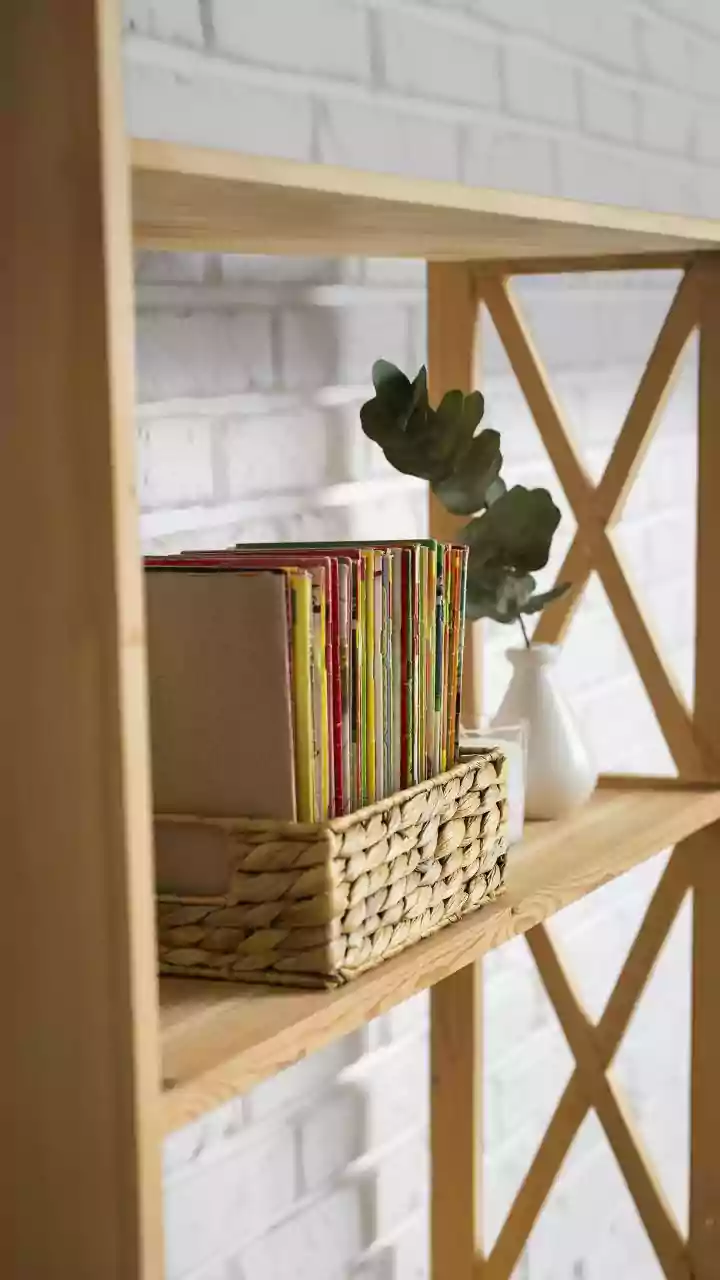
Before you get to the ‘warm’ part, you have to nail the ‘minimalism.’ This style is built on a foundation of clean lines and simple forms. That means uncluttered surfaces, intentional negative space, and furniture with strong, unadorned silhouettes. Think of a long, low-slung sofa, a dining table with simple legs, or built-in shelving that blends seamlessly into the wall. The goal is to create a calm, orderly backdrop. This architectural clarity allows the eye to rest and prevents the space from feeling chaotic. Without this underlying structure, adding handcrafted elements can quickly tip the scales from ‘warm and soulful’ to ‘cluttered and busy.’ The clean lines are the canvas; the craft is the art you place upon it.
The Soul: Traditional Craft
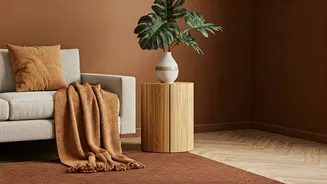
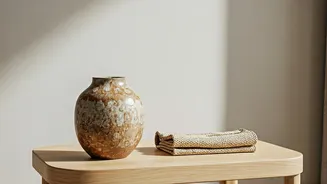
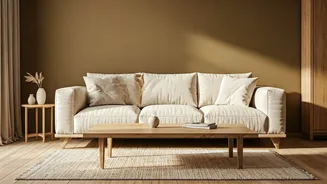
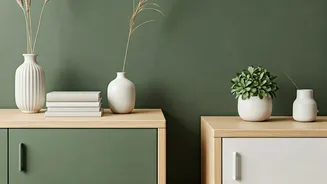
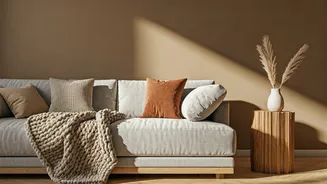
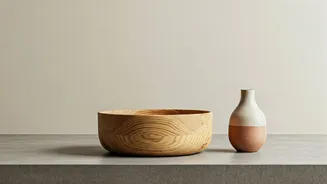
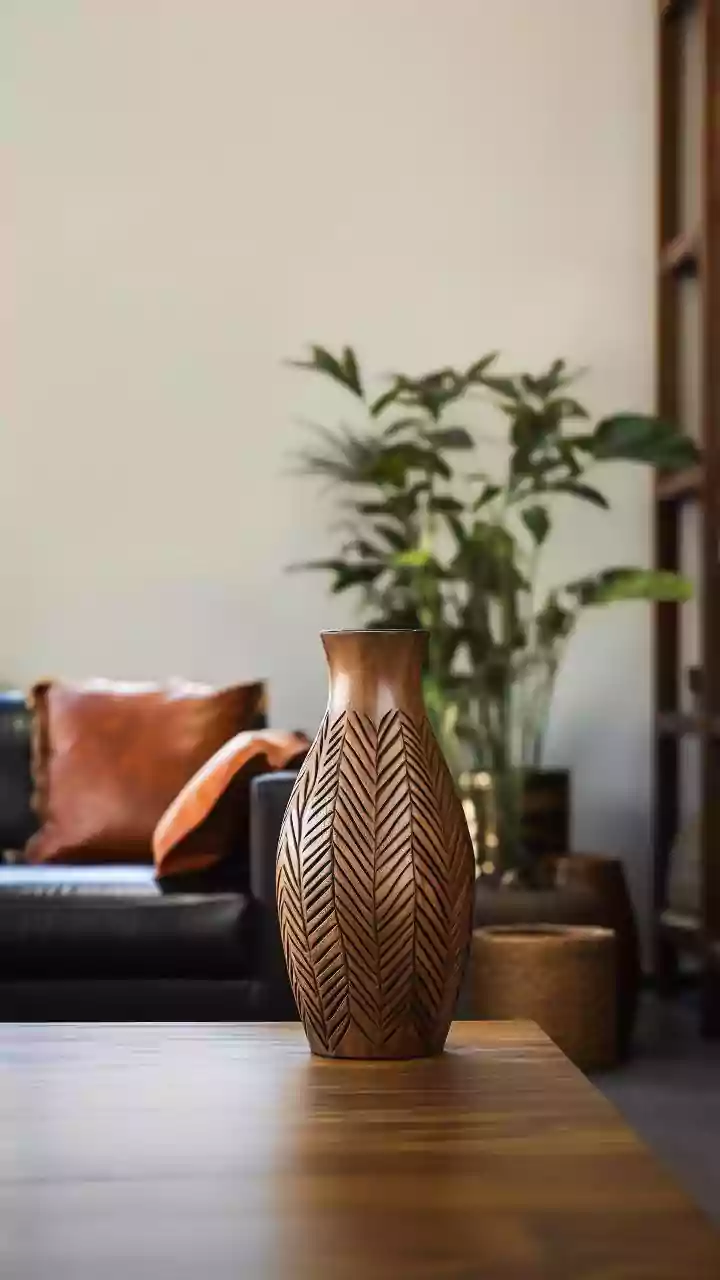
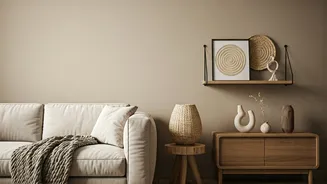
This is where the magic happens. Warm Minimalism gets its soul from objects that tell a story, often through the hands that made them. This is the antidote to mass-produced perfection. We’re talking about a hand-thrown ceramic vase with slight imperfections, a chunky hand-knit wool blanket draped over a sofa, or a wooden bowl with a visible grain. Natural, tactile materials are key: think linen curtains that softly filter light, jute or sisal rugs that feel good underfoot, and furniture made from solid wood like oak, walnut, or ash. These elements connect a space to the natural world and to the long history of human craftsmanship. Each piece isn't just decoration; it's a small anchor of authenticity in a modern world.
A Subtly Rich Palette
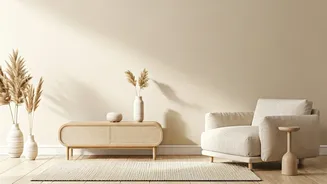
The color scheme of Warm Minimalism is sophisticated and soothing, pulling heavily from nature. Forget builder-grade beige or stark gallery white. This palette is about nuanced, earthy tones that create a sense of tranquility. Think creamy off-whites, soft greiges, mushroom, sand, and terracotta. These neutrals are layered to create depth and interest without shouting. Accent colors are used sparingly and are typically muted and organic—a dusty olive green, a deep rust, or a faded indigo blue. The overall effect is cohesive and calming, allowing the textures and forms within the room to take center stage. The light in the room becomes a key player, interacting with the subtle variations in color throughout the day.
Putting It Into Practice
Adopting Warm Minimalism doesn't require a gut renovation. It’s a philosophy that can be applied gradually. Start with subtraction: edit your existing decor, removing anything that doesn't serve a purpose or bring you joy. This single step can instantly create the breathing room the style requires. Then, begin to introduce new elements with intention. Swap a synthetic throw for one made of wool or cashmere. Find a single, beautifully crafted ceramic piece for your coffee table. Invest in lighting that creates a soft, ambient glow rather than harsh overhead glare. Focus on one room, or even one corner, and build from there. The goal is not to perfectly replicate a photo from a magazine, but to create a personal sanctuary that feels both calmingly simple and wonderfully alive.