



Why Monsoons Mean Misery for Pets
The iconic smell of rain in the desert, known as petrichor, signals the start of the Southwest’s monsoon season. While the storms provide a much-needed drink for the arid landscape, they also stir up a potent cocktail of allergens. It’s a phenomenon local
vets have dubbed “monsoon misery.” Before the rains, the landscape is dry and dusty. The powerful winds that precede a storm, called outflow boundaries, act like a giant broom, sweeping up months of accumulated dust, pollen (especially from tumbleweed and ragweed), and mold spores into the air. When the rain finally hits, it doesn’t just wash these irritants away; it can actually make them worse. The moisture encourages rapid mold growth on damp surfaces and in the soil, and the humidity can cause certain pollen grains to burst, releasing even smaller, more easily inhaled allergenic particles. For dogs and cats, who live their lives close to the ground, this means they are breathing in and walking through a super-concentrated cloud of irritants every time they go outside.
Signs Your Pet is an Allergy Sufferer
Unlike humans who typically get watery eyes and runny noses, dogs and cats primarily show allergic reactions through their skin. Being able to spot the signs early is the first step in providing relief. The most common symptom is intense itchiness (pruritus). You might notice your pet incessantly scratching, licking, or chewing at their paws, belly, or the base of their tail. This constant irritation can lead to secondary problems, including “hot spots” (acute moist dermatitis), which are red, inflamed, and often infected areas of skin. Other signs to watch for include: recurrent ear infections, often indicated by head shaking or scratching at the ears; hair loss from scratching; scooting their rear on the floor (a sign of anal gland irritation); and red, inflamed skin or rashes. Some pets may also exhibit more classic allergy symptoms like sneezing, coughing, watery eyes, or a runny nose, but these are generally less common than skin-related issues.
Your Proactive Pre-Monsoon Checklist
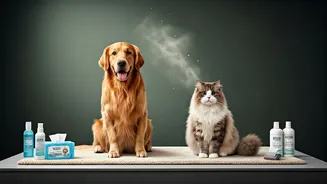
The key to managing seasonal pet allergies is to be proactive. Just as you’d prepare your home for a storm, you can prepare your pet for the allergenic fallout. Start these habits before the first storms roll in. First, create a low-allergen sanctuary inside your home. Use high-quality HEPA filters in your air conditioning system and consider running standalone air purifiers in the rooms where your pet spends the most time. Keep windows closed during and after storms to prevent allergens from blowing inside. Next, establish a post-walk routine. Every time your pet comes in from the outside, wipe down their paws, legs, and belly with a damp cloth or hypoallergenic pet wipes to remove surface allergens before they can be licked off or tracked through the house. Finally, talk to your vet about preventative care. They might recommend weekly baths with a medicated or soothing oatmeal-based shampoo to wash away allergens and calm irritated skin. They may also suggest adding an omega-3 fatty acid supplement to your pet's diet to support skin health and reduce inflammation from the inside out.
Knowing When to Call the Vet
While proactive care can manage mild symptoms, some pets will require medical intervention. It’s crucial to know when at-home care isn't enough. You should schedule a visit with your veterinarian if your pet’s scratching is relentless and causing self-trauma, such as open sores, bleeding, or significant hair loss. The development of hot spots or any signs of a skin infection (pus, odor, or excessive redness) also warrant professional attention, as these often require antibiotics or topical steroids. If your pet’s allergy symptoms are accompanied by lethargy, loss of appetite, or respiratory distress like coughing or wheezing, it’s time to see a professional. Your vet can perform tests to confirm the cause of the reaction and prescribe more effective treatments, such as oral antihistamines, corticosteroids, or newer, more targeted allergy medications like Apoquel or Cytopoint injections, which can provide significant relief for severely affected animals.