







A Grassroots Solution to a Big Problem
For years, the narrative around waste in India’s megacities has been one of crisis. Mountains of mixed garbage overwhelm municipal systems, polluting air, water, and soil. But look closer, and you’ll find a powerful counter-narrative emerging not from
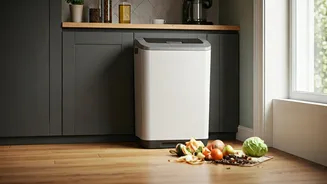
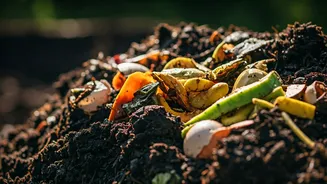
government policy, but from individual households. The movement is built on a simple, transformative idea: segregating waste at its source. Families are meticulously separating their "wet waste"—vegetable peels, fruit cores, coffee grounds, and leftover food—from their "dry waste" like plastic and paper. This single act is the cornerstone of home composting, preventing organic matter from rotting in landfills where it releases methane, a potent greenhouse gas. Instead of being part of the problem, this kitchen waste becomes the key ingredient in creating a valuable resource.
Finding Space for Sustainability
The biggest challenge for many urban dwellers, whether in Mumbai or Minneapolis, is space. Indian innovators have developed clever, compact solutions tailored for apartment living. One of the most popular is the three-tiered terracotta composter, often called a "Khamba." These stacked pots allow for a continuous cycle: families add kitchen scraps to the top pot, layered with "browns" like dried leaves or sawdust to balance moisture and aid decomposition. Once a pot is full, it’s moved to the middle to mature while the top one is refilled. By the time it reaches the bottom, the waste has transformed into dark, earthy compost. Other methods include simple bucket systems, which can be sealed to manage odor, and community-level composting in designated bins for an entire apartment complex, turning a solitary effort into a collective one.
The Recipe for 'Black Gold'
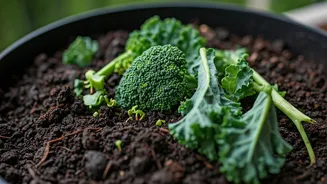
The process itself is surprisingly straightforward, resembling a simple recipe. The main ingredients are "greens" (nitrogen-rich wet waste) and "browns" (carbon-rich dry materials). A healthy compost pile needs a balance of both. Indian households typically collect their daily kitchen scraps in a small container. Once a day, they add this to their composter, along with a handful of dried leaves, coco-peat, or sawdust, which prevents odors and keeps the mixture from becoming slimy. What goes in is just as important as what stays out. Vegetable and fruit waste, tea leaves, coffee grounds, and crushed eggshells are perfect. However, meat, dairy, and oily foods are generally avoided as they can attract pests and create foul smells. Over a period of 45 to 60 days, with occasional stirring to aerate the mixture, microbes work their magic, breaking everything down into what gardeners affectionately call "black gold."
More Than Just Rich Soil
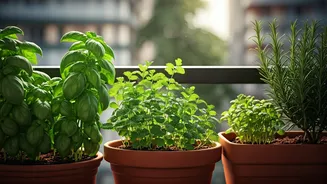
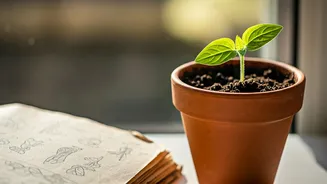
The most obvious benefit of this effort is the rich, nutrient-dense compost that emerges at the end. For families with balcony gardens, it’s a free and organic way to grow their own herbs, vegetables, and flowers, creating a patch of green amid the concrete jungle. But the ripple effects go much further. In many apartment buildings, composting has become a powerful community-building tool. Neighbors share tips, troubleshoot problems, and collectively manage larger composting systems. It instills a sense of shared purpose and environmental stewardship. For children, it’s a tangible lesson in biology and sustainability, connecting them to the food cycle in a way that watching a screen never could. By taking ownership of their waste, these families are not just cleaning up their own homes; they are actively reducing the burden on their cities and fostering a culture of resourcefulness and responsibility.