



First, What Is 'Functional Food'?
Before we dive into the bustling markets of Mumbai or the tech cafes of Bengaluru, let's get the definition straight. 'Functional foods' are simply foods that offer health benefits beyond basic nutrition. Think of them as ingredients with a job to do.
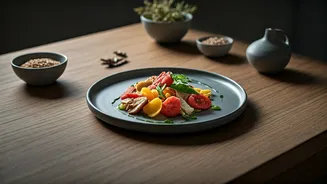
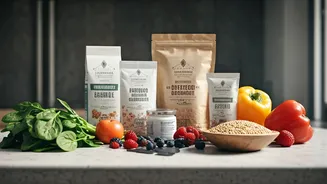
In the U.S., you know them well: a cup of yogurt with probiotics for gut health, orange juice fortified with calcium for bone strength, or salmon rich in omega-3s for brain function. The concept isn't about creating lab-grown meals; it's about enhancing everyday foods with specific, health-boosting properties, whether through natural ingredients or modern fortification.
A Perfect Storm for a Health Boom
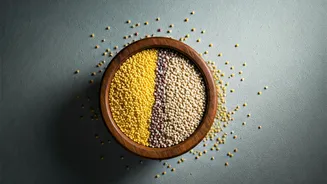
So why is this trend exploding in India *now*? It's a convergence of several powerful forces. Firstly, there's a rapidly growing middle class with more disposable income and a new-found focus on preventative health, amplified significantly by the global pandemic. Health is no longer a luxury; it's a priority. Secondly, India's young, digitally-native population is highly aware of global wellness trends and actively seeks out healthier options. They're reading labels and demanding more from their food brands. Finally, the Indian government is actively promoting healthier eating. Initiatives like the 'International Year of Millets' have thrown a national spotlight on traditional, nutrient-dense grains that were once overlooked in favor of wheat and rice.
Ancient Wisdom, Modern Branding
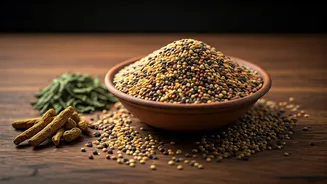
Here’s where it gets uniquely interesting. Unlike in the West, where many functional ingredients feel new or imported, India's version is deeply rooted in ancient traditions. This isn't about discovering a new 'superfood' from a faraway land; it's about rebranding the wisdom that's been in Indian kitchens for centuries. The principles of Ayurveda, an ancient system of medicine, have long preached the idea of food as medicine. Spices like turmeric (with its active compound, curcumin) have been used for their anti-inflammatory properties for millennia. Herbs like ashwagandha and tulsi (holy basil) have been mainstays in home remedies. What's new is the packaging. Today, you can find turmeric lattes, ashwagandha-infused snack bars, and breakfast cereals made from millet and amaranth. It's grandma's wisdom, but with slick marketing and a QR code.
What It Looks Like on the Plate
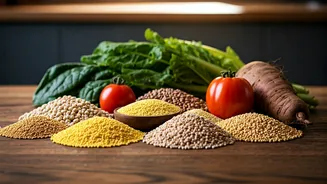
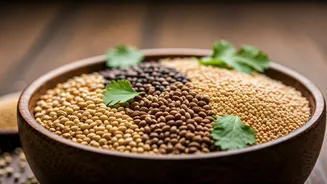
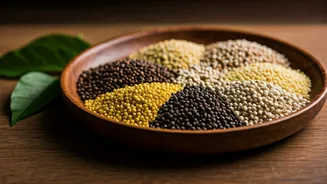
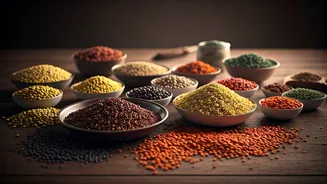
This isn't just happening in specialty health stores. Functional foods are appearing in everyday staples. You might see atta (whole wheat flour) fortified with iron and folic acid, or cooking oil enriched with Vitamins A and D. But the more visible shift is the revival of 'forgotten' foods. Millets like ragi and jowar are being turned into everything from pasta and noodles to cookies and breakfast flakes. These hardy, drought-resistant grains are naturally gluten-free and packed with protein and fiber, making them a perfect fit for the modern consumer. Companies are launching protein-rich paneer (Indian cheese), probiotic lassis (yogurt drinks), and even ready-to-eat meals designed for specific health needs, like managing blood sugar. The trend is weaving itself into the very fabric of daily Indian cuisine, one fortified, traditional, or enhanced ingredient at a time.