





A Competitive Edge in a Crowded Field
To understand the appeal of sleep analytics in India, you first have to understand the immense pressure facing its youth. For millions of young Indians, life is a series of high-stakes competitions. From nationwide entrance exams for engineering and medical
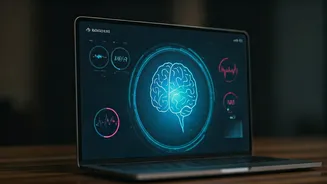
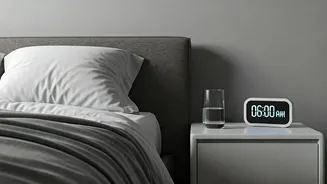
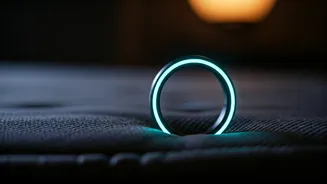
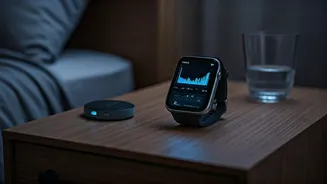
schools—where millions vie for a few thousand spots—to the hyper-competitive job market in a nation of 1.4 billion people, the pressure to perform is constant and unforgiving. In this context, sleep isn't just for rest; it's a resource to be managed. Optimizing deep sleep and REM cycles, as reported by a smartwatch or a smart ring, is seen as a way to gain a cognitive edge. It’s a data-driven approach to ensuring you’re at peak mental performance for the exam, the interview, or the demanding new job. For this generation, hacking their sleep feels as crucial as studying.
The 'Quantified Self' Gets an Indian Accent
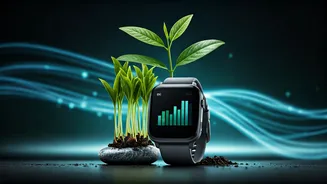
The “Quantified Self”—the movement of using technology to track personal data for self-improvement—is a global phenomenon. But in India, it resonates with a particular cultural frequency. This is a country that reveres engineering, data, and technical solutions. The idea of applying an analytical, problem-solving mindset to a biological function like sleep is deeply appealing. Wearable technology, from brands like Fitbit, Apple, and increasingly affordable local alternatives like Noise and Boat, has become a status symbol and a tool for this new-age self-management. It transforms the abstract feeling of being “tired” into a concrete dataset with charts, scores, and actionable insights. This provides a sense of control in a world that often feels chaotic and overwhelmingly competitive, turning wellness into a project with measurable KPIs.
Accessibility and Aspiration
Just a decade ago, such technology was the preserve of the wealthy. Today, thanks to the plummeting cost of wearables and India’s cheap mobile data, sleep tracking is more accessible than ever. Indian brands have flooded the market with smartwatches that cost less than a pair of brand-name sneakers, putting advanced health monitoring within reach of the middle class. This democratization of tech coincides with a generation that has grown up online, exposed to global wellness trends and the self-optimization gospel of Silicon Valley influencers. For Indian Gen Z, using a sleep tracker is both a practical health choice and an aspirational act, signaling that they are modern, health-conscious, and in control of their destiny.
The Anxiety of Optimization
However, this obsession with sleep data has a clear downside. The quest for the perfect sleep score can, paradoxically, become a new source of stress. This phenomenon, sometimes called “orthosomnia,” is an unhealthy fixation on achieving ideal sleep metrics, which can itself lead to anxiety and insomnia. Seeing a low “sleep score” upon waking can create a negative feedback loop, causing worry that ruins the next night’s sleep. Furthermore, critics point out that consumer-grade wearables are not medical devices; their accuracy can be questionable, and their data can be misinterpreted. While many users feel empowered, others are becoming prisoners of their own data, medicalizing a natural process and adding another layer of performance anxiety to their already stressful lives.