




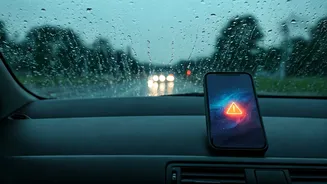


1. Secure Your Roof and Gutters
The first line of defense for your home is its roof. Monsoon storms are infamous for microbursts—intense, localized downdrafts that can produce winds exceeding 100 mph. These winds can easily lift loose shingles or tiles, leading to catastrophic leaks.
Before the season, have your roof inspected for any damaged or missing materials. Equally important are your gutters and downspouts. When a deluge of rain hits, clogged gutters will overflow, sending water cascading down your walls and potentially into your foundation, causing costly water damage. A simple, thorough cleaning can prevent a major headache.
2. Clear Your Yard of Potential Projectiles
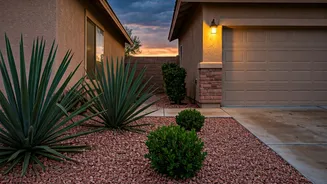
Those high winds don't just threaten your roof; they turn your entire yard into a potential hazard. Innocent items like patio furniture, trampolines, potted plants, and loose tree branches can become dangerous projectiles in a storm. Take a weekend to secure or store anything that isn't tied down. Trim dead or weak branches from trees, especially those hanging over your house or power lines. This simple act of tidying up not only protects your property but also that of your neighbors. Also, ensure any drainage paths on your property are clear of debris to help prevent localized flooding.
3. Prep Your Car for Extreme Conditions
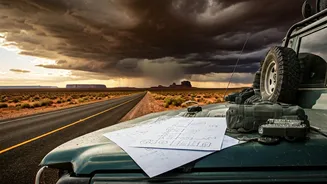
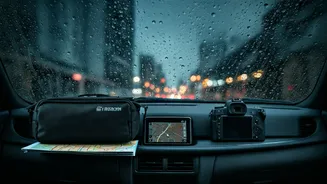
Driving during the monsoon is one of the most dangerous activities you can undertake. Prepare your vehicle accordingly. First, check your windshield wipers. After a long, dry spring, they are often cracked and useless against the sudden, torrential downpours. Replace them. Second, inspect your tire tread and pressure. Good tires are essential for maintaining traction on slick roads. Most importantly, know the two cardinal rules of monsoon driving. For dust storms (haboobs): "Pull Aside, Stay Alive." Pull your vehicle as far off the road as possible, turn off all lights, and take your foot off the brake. For flooded roadways: "Turn Around, Don't Drown." It only takes a few inches of moving water to sweep a car away.
4. Build a Power Outage Kit
Lightning, high winds, and flash floods frequently lead to power outages that can last for hours or even days. Don't be caught in the dark. Assemble a "stay-at-home" emergency kit with everything you need to ride out an outage comfortably. This should include flashlights or headlamps (not candles, which are a fire risk), a stockpile of fresh batteries, a battery-powered or hand-crank radio to receive weather updates, and portable power banks to keep your phone charged. Also include a multi-day supply of non-perishable food and at least one gallon of water per person, per day.
5. Review Your Insurance Policies
This is the one task people often forget until it’s too late. Most standard homeowner's insurance policies do not cover damage from flooding. In the Southwest, flash floods are a primary threat of the monsoon, capable of inundating areas that are bone-dry just minutes earlier. Check your policy now. If you live in or near a designated floodplain, you should strongly consider purchasing separate flood insurance through the National Flood Insurance Program (NFIP). Be aware that these policies typically have a 30-day waiting period before they go into effect, so you can't wait until a storm is on the horizon.
6. Assemble a "Go Bag" for Evacuations
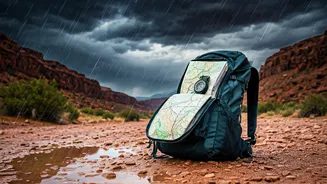
While the power outage kit is for hunkering down, a "go bag" is for getting out fast. If a flash flood warning is issued for your area, you may only have minutes to evacuate. Each member of your family, including pets, should have a ready-to-go bag. Pack it with essentials like copies of important documents (passports, birth certificates, deeds), prescription medications, a change of clothes, cash in small bills, a first-aid kit, and chargers for your essential electronics. Keep it in an easily accessible place like a front hall closet so you can grab it and leave without a second thought.
7. Know Your Alerts and Evacuation Routes
Your smartphone is one of your most powerful preparedness tools, but only if it's set up correctly. Ensure that Wireless Emergency Alerts (WEAs) are enabled on your phone to receive flash flood and severe thunderstorm warnings directly from the National Weather Service. Go a step further and sign up for your specific city or county's local emergency alert system. Finally, take a moment to identify your local evacuation routes. Knowing how to get to higher ground quickly and safely is critical, especially if you live in a low-lying area. Having this information ready removes the guesswork during a high-stress event.