

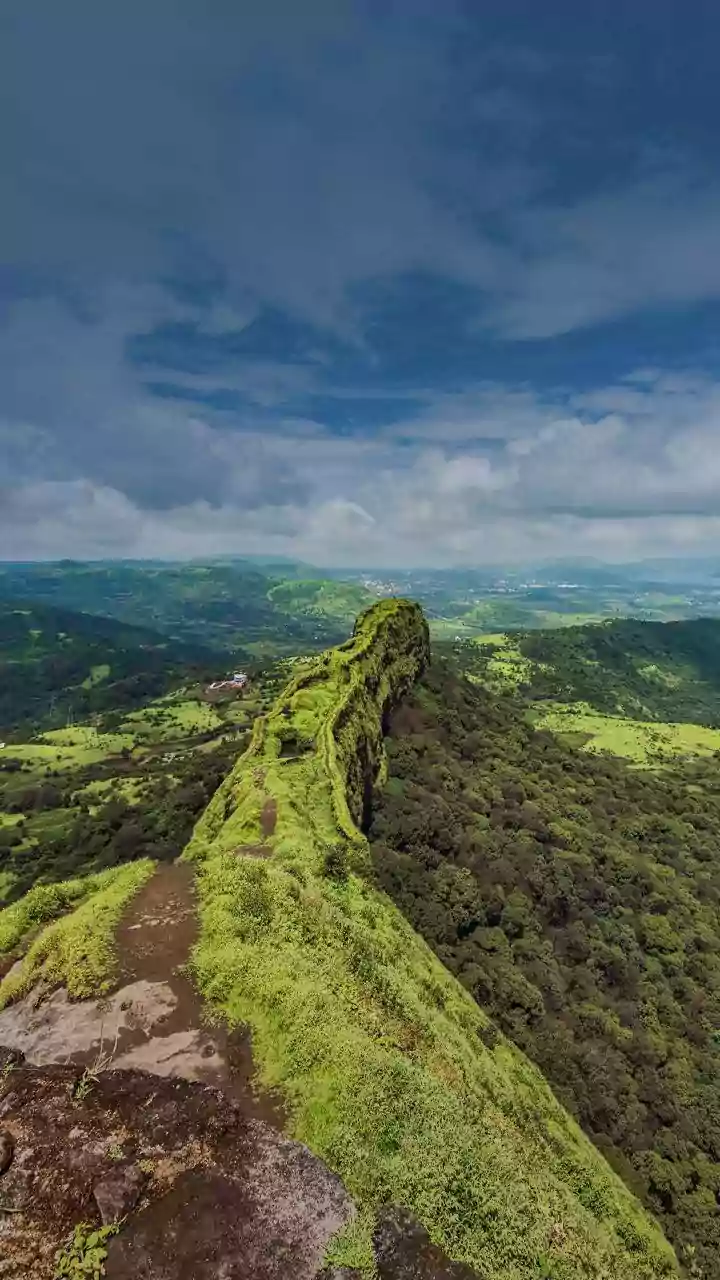


First, What's a Hill Station?
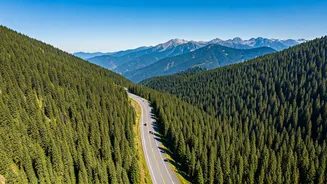
For most Americans, the term “hill station” might conjure images of a simple mountain town. In India, it’s a concept steeped in history. During British colonial rule, these high-altitude settlements were established as summer capitals and retreats for
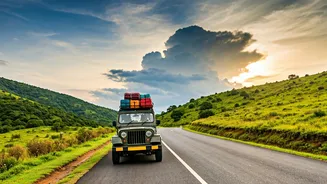
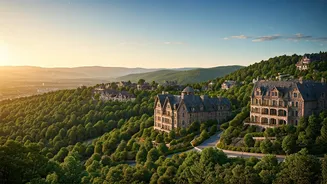
officials to escape the crushing heat of the plains. Think of them as the British Raj’s version of the Hamptons or the Catskills—places like Shimla, Darjeeling, and Ooty, dotted with colonial-era architecture, winding roads, and stunning mountain views. Today, they remain India’s premier domestic tourist destinations, offering cool air, lush landscapes, and a distinct sense of escape. They are the backdrop for a fundamental shift in how Indians are choosing to vacation.
The Great Group Getaway
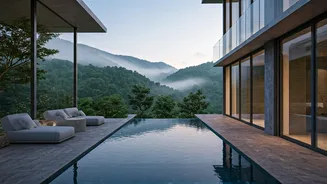
The trend is clear: travelers are booking large, private properties in record numbers. Instead of booking five separate hotel rooms, extended families, groups of friends, and even corporate teams are opting for a single, multi-bedroom villa. According to reports from Indian travel platforms like MakeMyTrip and SaffronStays, the demand for villas and homestays that can accommodate 8-10 people or more has skyrocketed. These aren't just rustic cabins. Many are luxurious properties with private pools, personal chefs, and sprawling lawns, offering a level of exclusivity that a hotel struggles to match. The surge is most pronounced during peak seasons, holidays, and long weekends, when city dwellers flock to the hills for a collective deep breath of fresh air.
Why Villas Are Winning
So, what’s driving this mass migration to private rentals? The reasons are a perfect storm of post-pandemic psychology and modern work culture. First and foremost is the desire for privacy and control. After years of social distancing, many people feel more comfortable in a self-contained “bubble” with their chosen group, away from crowded hotel lobbies and breakfast buffets. Second is the rise of the “workation.” With remote work now a reality for many, professionals can decamp to a scenic villa for weeks at a time, blending workdays with mountain hikes. It’s easier to be productive in a shared house with reliable Wi-Fi than in a cramped hotel room. Finally, there’s simple economics. For a large group, renting a six-bedroom villa and splitting the cost is often more affordable—and certainly more spacious—than booking multiple hotel rooms.
A Global Trend with Local Flavor
While this is happening in the Himalayan foothills and the Western Ghats, the underlying drivers should feel familiar to any American who’s watched the boom in large Airbnb and Vrbo rentals in places like Lake Tahoe or the Smoky Mountains. The global pandemic reshaped our idea of a getaway, pushing us toward experiences that prioritize connection with people we know in spaces we can control. The Indian villa surge is a fascinating case study of this worldwide phenomenon. It reflects a universal craving for reunion and community, but with a uniquely Indian twist—blending the country's strong multigenerational family ties with the newfound flexibility of the digital nomad lifestyle. It’s a reminder that while the destinations may differ, the reasons we travel are becoming more and more alike.