


More Than Just Makeup
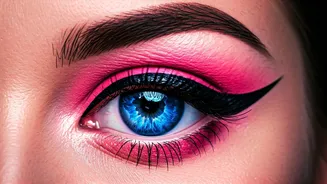
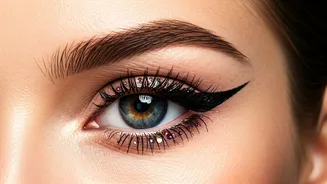
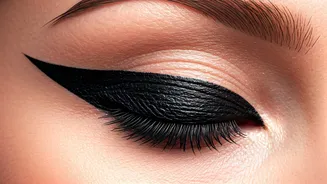
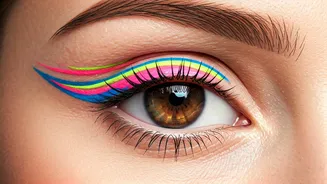
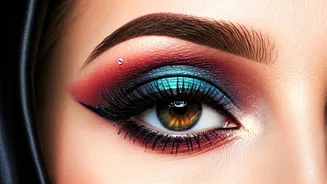
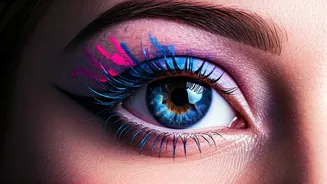
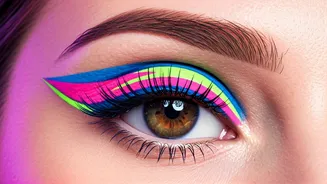
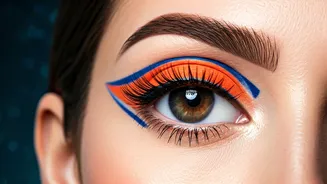
First, what exactly is a 'statement eye'? It’s anything but the quiet, blended eyeshadow of years past. Think bold, expressive, and unapologetic. This includes razor-sharp graphic liner that extends into abstract shapes, vibrant washes of a single, powerful
color across the lid, strategically placed rhinestones and pearls, and dramatic, 'wet-look' gloss. It’s less about traditional enhancement and more about using the eye area as a canvas for artistry. Seen on celebrities like Doja Cat, Hunter Schafer, and famously, Julia Fox with her signature heavy black liner, the look is designed to be seen, discussed, and remembered.
The Post-Pandemic Expression
For two years, face masks made our eyes the sole focal point of public interaction. This period of concealment created a unique incubator for eye makeup creativity. With lips and cheeks hidden, the upper third of the face became the primary real estate for self-expression. As the world opened back up, that pent-up creative energy didn’t just disappear—it exploded. People were tired of blending in and eager to embrace joy, color, and visibility. The statement eye became a powerful tool for re-entry, a way to signal vibrancy and personality after a long period of collective restraint. It’s a joyful rebellion against the muted tones of quarantine life.
Enter the 'Euphoria' Effect
You can't talk about modern eye makeup without talking about HBO's *Euphoria*. The show's head makeup artist, Donni Davy, almost single-handedly shifted the cultural conversation around beauty. She used glitter, neon pigments, and face gems not as simple decoration, but as a form of emotional storytelling. A character’s inner turmoil or fleeting joy was telegraphed through their makeup. This approach resonated deeply, especially with Gen Z, and transformed avant-garde looks into something accessible and meaningful. Suddenly, wearing rhinestones on a Tuesday wasn’t just for a music festival; it was a form of personal armor or a reflection of your mood.
Democratized by Social Media
While runway shows and red carpets provide inspiration, platforms like TikTok and Instagram are where trends are forged and popularized. A 'get ready with me' video can turn a complex look into a step-by-step tutorial for millions. Hashtags like #graphicliner and #euphoriamakeup have billions of views, creating a digital ecosystem where users share, replicate, and innovate. This dynamic has democratized beauty, taking it out of the exclusive hands of professional makeup artists and putting it into the hands of anyone with a brush and a smartphone. The statement eye is perfectly suited for this environment: it’s visually arresting, photographs well, and allows for endless personalization, making it ideal content for a crowded feed.
A Rejection of Filtered Perfection
The statement eye also represents a departure from the dominant beauty ideal of the 2010s: the contoured, perfectly blended, and often filtered 'Instagram Face.' That look was about aspiring to a flawless, homogenous standard. In contrast, the statement eye celebrates imperfection, asymmetry, and individuality. It’s artistic, sometimes messy, and deeply personal. It prioritizes creativity over correctness. This shift reflects a broader cultural desire for authenticity. In a world of curated perfection, a bold, slightly imperfect cat-eye or a smattering of glitter feels refreshingly real and human. It’s a way of saying, 'This is me,' rather than, 'This is who I’m trying to be.'