






Beyond the Basic Baby Gate
For years, the flimsy, pressure-mounted baby gate was the go-to for keeping a new puppy out of the kitchen. Today’s approach to containment is far more sophisticated, addressing the specific, curious, and often surprisingly capable nature of our furry
companions. Think less about temporary barriers and more about permanent, passive safety systems. Cabinet and drawer latches, once solely the domain of parents with toddlers, are now common in homes with food-motivated dogs or curious cats who can learn to open doors. Cord concealers and heavy-duty protectors are essential for preventing chewing on live wires, a risk that grows with every new gadget we plug in. Even window screens and blind cords are getting a safety-focused redesign, with pet-proof mesh and cordless wands becoming the default choice for conscientious owners.
Environmental Hazard Control
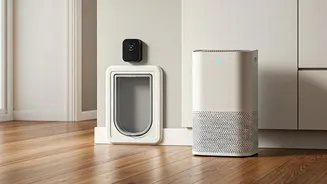
The wellness trend hasn’t just reshaped our own lives; it’s trickling down to our pets. A growing awareness of environmental risks inside the home is driving demand for products that mitigate invisible threats. Air purifiers, marketed specifically to capture pet dander and hair, are flying off shelves, promising relief for both allergic owners and the animals themselves. The focus on non-toxic living extends to the floor, with a booming market for pet-safe floor cleaners, carpet shampoos, and even lawn care products that won’t harm paws. This mindset shift also involves what’s removed from the home. Many new pet owners now conduct a “toxin audit,” diligently removing houseplants known to be poisonous to cats and dogs (like lilies and sago palms) and replacing them with safe alternatives like spider plants or prayer plants.
Tech That Offers Peace of Mind
Technology is providing a new kind of digital leash, giving owners an unprecedented level of connection and security, even when they’re not home. The pet camera has evolved from a grainy, stationary webcam into a high-definition, two-way communication device that can toss treats, send bark alerts, and track movement. It’s no longer just for checking in; it's for actively monitoring a pet's well-being and behavior. Similarly, GPS collar attachments have become smaller, more affordable, and longer-lasting, offering real-time location tracking that provides immense comfort for owners of escape-artist dogs or outdoor cats. Even the humble food bowl is getting a smart upgrade, with automated feeders that dispense precise, pre-scheduled portions to prevent obesity and ensure a pet never misses a meal.
Upgrades for Everyday Routines
The new essentials aren’t all high-tech or structural. Many are subtle but powerful upgrades to everyday items that reduce common, often overlooked, risks. Slow-feeder bowls, with their maze-like patterns, have become a staple for dogs who eat too quickly, reducing the risk of bloating and digestive upset. Water fountains are replacing stagnant bowls, encouraging better hydration while their filtration systems remove impurities. Even emergency preparedness has a place. Fire safety decals—small stickers placed on a front door or window to alert first responders to the number and type of pets inside—are a simple, inexpensive item now included in many “new pet” welcome kits. These small adjustments reflect a larger philosophy: that pet safety is about creating a proactively safe environment, not just reacting to emergencies.