



What Exactly Is Food Synergy?
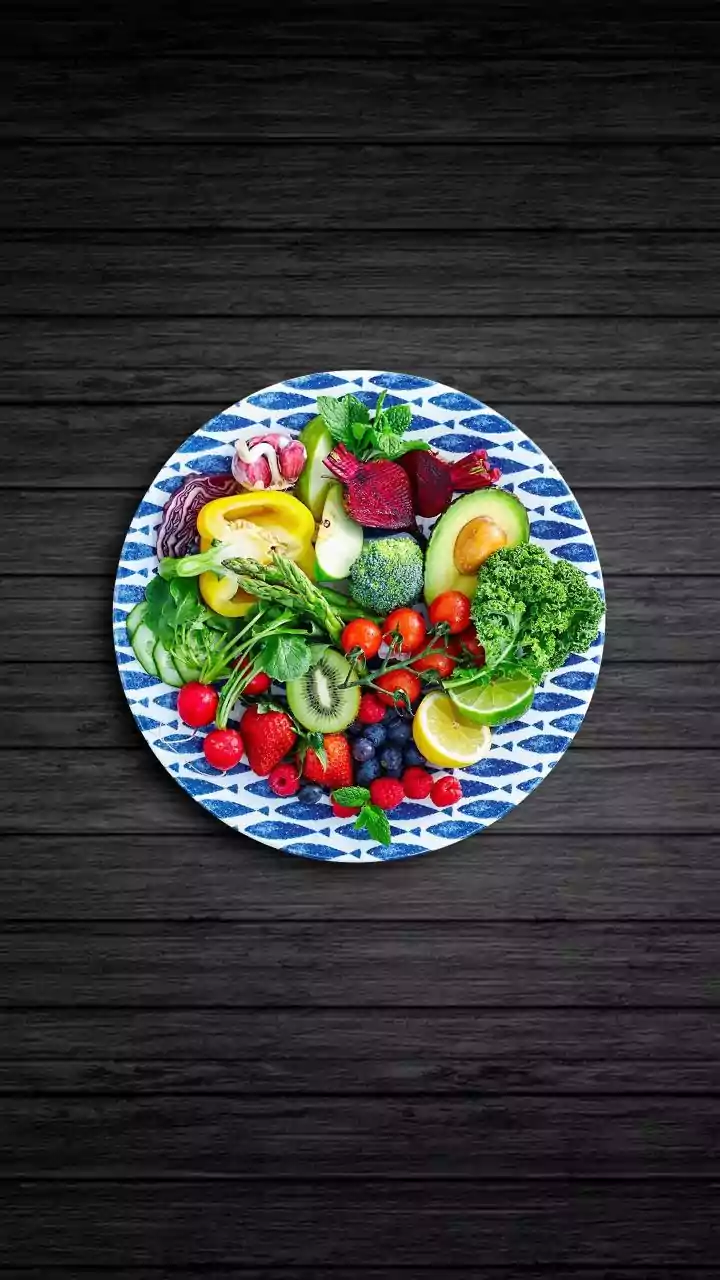
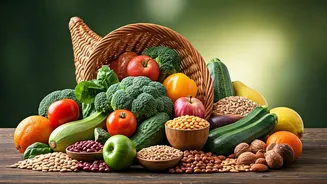
Food synergy isn't a diet or a complicated set of rules. It’s the simple idea that certain foods, when eaten together, provide a greater nutritional punch than if you ate them separately. Think of it as a team effort happening on your plate. Nutrients
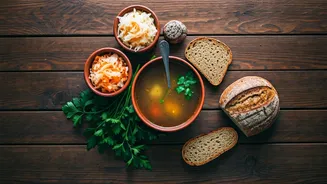
in one food can help your body better absorb or utilize the nutrients in another. A vitamin in your salad greens might unlock the full potential of a mineral in your dressing. This interaction means you’re getting more bang for your nutritional buck from the very same ingredients you’re already using. It shifts the focus from single “superfoods” to smart, powerful combinations, turning your entire meal into a nutritional powerhouse.
The Budget-Friendly Advantage
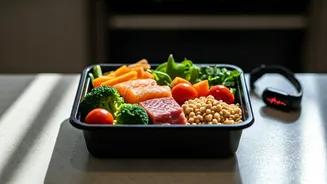
This is where food synergy becomes a game-changer for your wallet. The trend doesn't ask you to buy expensive, exotic ingredients or fancy supplements. Instead, it encourages you to get the maximum value out of affordable, everyday staples. By pairing foods intelligently, you ensure your body is absorbing as many vitamins and minerals as possible. This efficiency can lead to better health, increased satiety, and less reliance on pricey fortified products or supplements to fill nutritional gaps. When your body is getting what it needs from whole foods, you’re investing in your long-term wellness without breaking the bank. It's a sustainable approach to eating well on any budget.
Synergy in Action: Tomatoes & Olive Oil
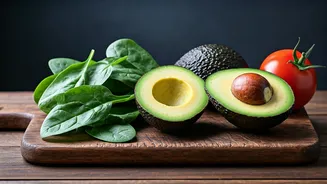
This classic Mediterranean pairing is a perfect example of food synergy. Tomatoes are rich in lycopene, a powerful antioxidant linked to reduced risk of certain diseases. However, lycopene is fat-soluble, meaning your body needs fat to absorb it effectively. Enter olive oil. Drizzling your tomatoes—whether in a fresh salad or a cooked sauce—provides the healthy fat needed to unlock the full benefits of the lycopene. A simple pasta sauce made with canned tomatoes and a splash of olive oil isn't just delicious and cheap; it's a scientifically sound way to boost your antioxidant intake.
Synergy in Action: Spinach & Lemon
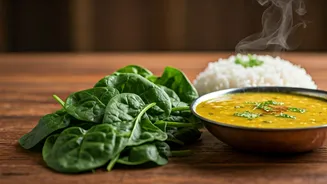
If you’re trying to get more iron from plant-based sources like spinach, lentils, and beans, you might not be absorbing as much as you think. This type of iron (called non-heme iron) is notoriously difficult for the body to absorb on its own. The solution is remarkably simple: add Vitamin C. A squeeze of lemon juice over a spinach salad, or adding bell peppers (another Vitamin C star) to a lentil soup, can dramatically increase iron absorption. This is especially crucial for vegetarians and vegans. A bag of spinach and a single lemon are inexpensive, but together, they create a powerful nutritional duo.
Synergy in Action: Beans & Rice
A staple for countless cultures around the globe for a reason, beans and rice is the ultimate budget-friendly food synergy pairing. Most plant-based foods are “incomplete” proteins, meaning they don’t contain all nine essential amino acids our bodies need. Rice is low in the amino acid lysine, while beans are low in methionine. Eaten together, they complement each other perfectly, forming a “complete” protein that’s just as good as one from meat, but at a fraction of the cost. A pot of black beans and rice isn't just a filling, affordable meal—it's a complete protein powerhouse.
Synergy in Action: Turmeric & Black Pepper
Turmeric has become a wellness superstar, celebrated for the anti-inflammatory properties of its active compound, curcumin. The catch? Curcumin is very poorly absorbed by the body on its own. But a little bit of black pepper changes everything. Piperine, the key active ingredient in black pepper, has been shown to boost the bioavailability of curcumin by up to 2,000%. When you’re making a curry, a soup, or even a golden milk latte, always add a generous crack of black pepper. This simple pairing ensures you’re actually getting the benefits you’re looking for from that jar of turmeric in your spice rack.