


The New Flavor Gold Rush
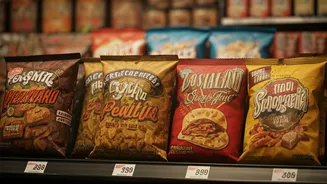
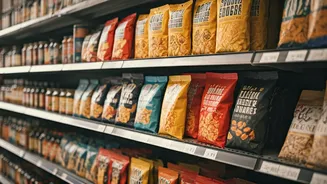
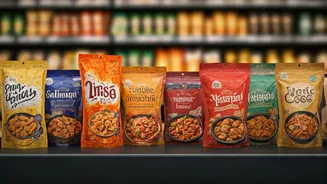
So, why is your snack aisle suddenly a stop on a global food tour? The answer is a perfect storm of cultural and commercial forces. The primary driver is a generation of shoppers—Millennials and Gen Z—who prize novelty, authenticity, and global experiences.
Unlike previous generations who may have encountered “international” flavors in a heavily Americanized format, these consumers have been primed by travel shows, food blogs, and, most importantly, social media. A viral TikTok of someone trying birria tacos or Korean corn dogs doesn't just create a craving; it creates a new market baseline. People don't just want to see it; they want to taste it, even if their nearest food truck is miles away. This demand has created a clear opportunity for consumer packaged goods (CPG) companies, who see a chance to capture the lightning-in-a-bottle appeal of a trending flavor and sell it back to a hungry audience.
From Cart to Consumer
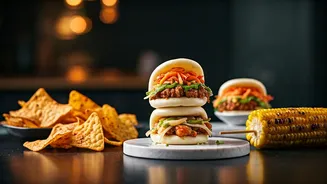
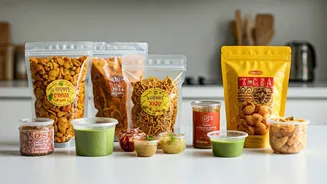
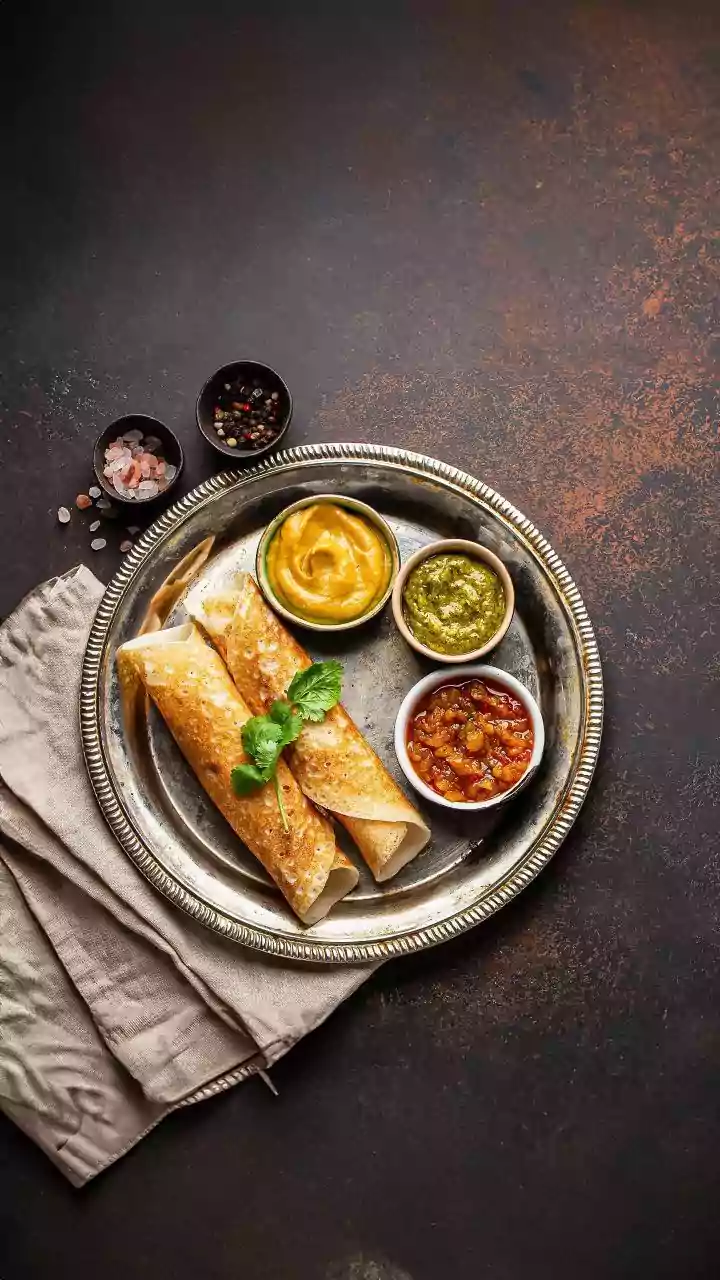
The journey from a hot, fresh street food creation to a shelf-stable packaged good is fraught with challenges. It's one thing to make delicious elote—grilled corn slathered in crema, cotija cheese, and chili powder—on a cart. It’s another entirely to translate that specific, multi-layered experience into a corn nut or potato chip. Food scientists and R&D departments work overtime to deconstruct these beloved foods into their core flavor components. They use advanced flavor technology and sourcing to replicate the smoky char of the grill, the tangy hit of lime, or the funky umami of a specific regional chili paste. This process is expensive and complex. Brands must also solve for texture. How do you capture the pillowy softness of a bao bun in a frozen product that can be microwaved? Or the crispy-chewy texture of a churro in a bag? The brands that succeed are the ones that invest heavily in getting these details right, understanding that modern consumers can instantly spot a lazy, inauthentic imitation.
The Billion-Dollar Authenticity Question
This is where the trend gets truly interesting. The most successful players aren't just large corporations slapping a “street taco” label on a generic flavor powder. Instead, the market is often led by founder-driven brands with a genuine connection to the food they’re selling. Companies like Siete Family Foods, which started with grain-free tortillas inspired by a family’s health needs, have built an empire by honoring their Mexican-American heritage. Similarly, brands like Omsom, founded by two Vietnamese-American sisters, create starter kits that provide the specific, hard-to-find sauces and aromatics needed to make authentic Southeast Asian dishes at home. These brands succeed because they aren’t just selling a product; they’re selling a story, a point of view, and a level of quality that comes from deep cultural knowledge. This puts pressure on legacy brands to either partner with authentic creators or risk looking clumsy and exploitative.
The Expanding Street Food Universe
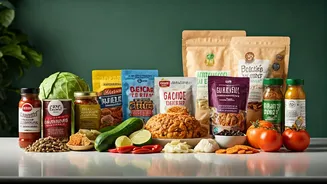
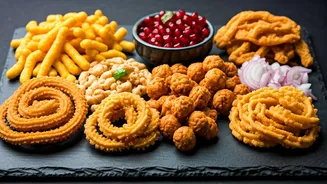
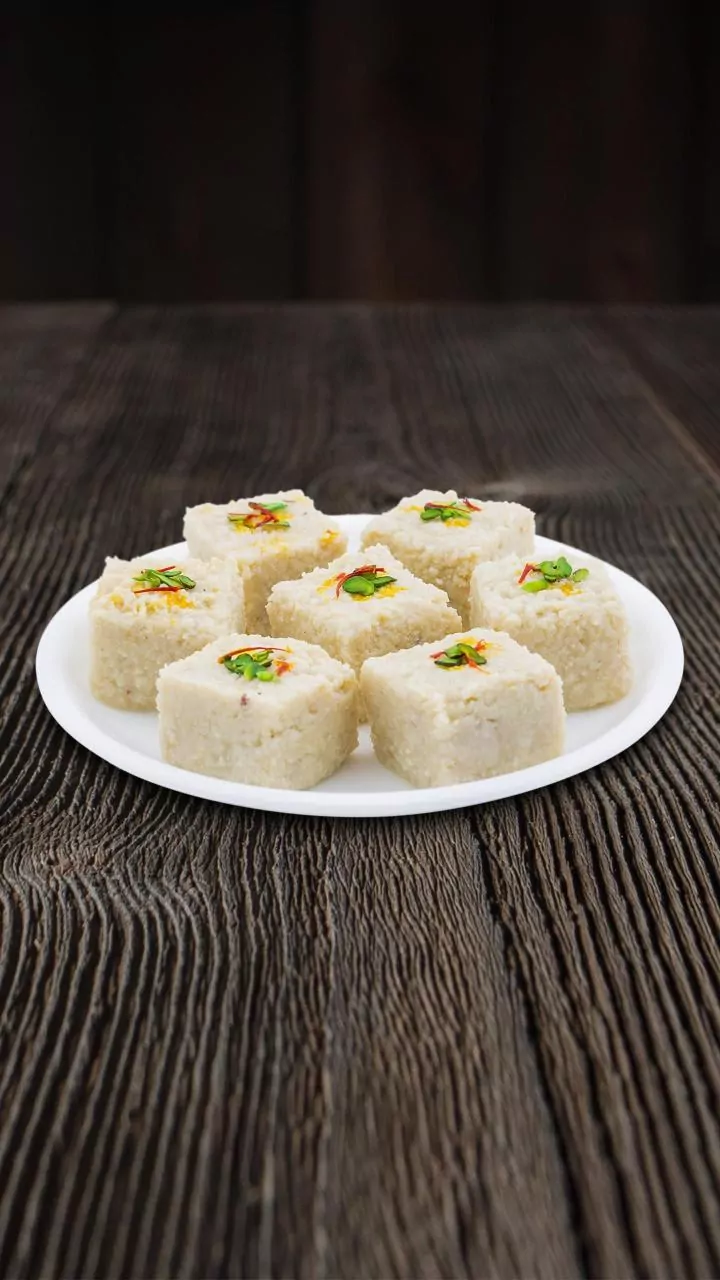
The trend extends far beyond savory snacks. You can now find canned, café-style Vietnamese coffee and shelf-stable horchata, the sweet rice-milk drink popular throughout Latin America. Frozen food aisles feature Brazilian pão de queijo (cheese bread) and Filipino-inspired bao. Even condiments have been transformed, with products like Fly By Jing’s Sichuan Chili Crisp moving from a niche ingredient to a mainstream pantry staple that people put on everything from eggs to ice cream. What this signals is a fundamental shift in what American consumers consider a “snack” or a “convenience food.” The definition has expanded to include a much wider, more diverse, and more interesting array of global options. It’s less about a single chip flavor and more about an entire ecosystem of products that deliver a specific cultural and culinary experience in a convenient format.