





Beyond 'Hey, Google'
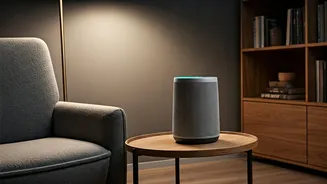
For years, the “smart home” has been defined by what you can command. Shouting “Hey Google, turn on the lights” or asking Alexa for the weather felt futuristic, but it was fundamentally reactive. You had to notice it was dark, remember you had a smart bulb,
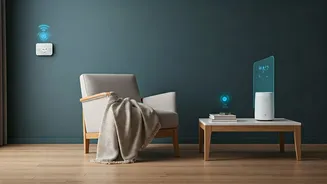
and issue a command. The next frontier of home technology, however, is silent, invisible, and predictive. A truly sensor-driven home doesn’t wait for your command; it senses your reality. It’s a network of discreet electronic nerves—motion detectors in hallways, temperature and humidity sensors in each room, air quality monitors sniffing for CO2 and airborne particulates, and ambient light sensors near windows. These inputs create a real-time data map of your living space. Instead of being a collection of disobedient gadgets, the home operates as a single, cohesive organism designed around one thing: your passive comfort.
The Architecture of Ambiance
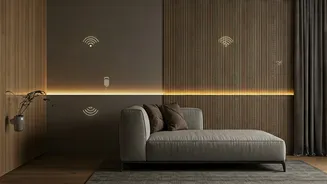
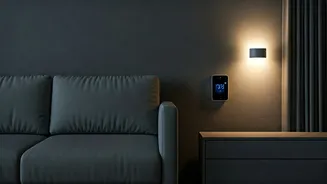
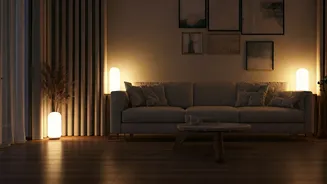
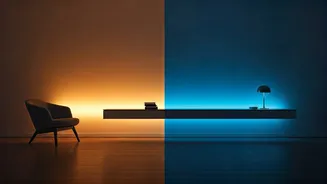
So what does this actually feel like? It’s the sensation of a home that’s always one step ahead of you. It’s walking from a sun-drenched living room into a cooler, north-facing office, and the temperature is already perfectly adjusted, because the system knows which rooms you use and when. It’s automated blinds that silently lower to block the harsh afternoon glare, preserving your furniture and preventing the A/C from working overtime. The real magic happens when these systems work in concert. Imagine a lighting system that syncs with your circadian rhythm, emitting bright, cool light in the morning to help you wake up and gradually shifting to a warm, amber glow in the evening to prepare you for sleep. When you start cooking, sensors detect a rise in volatile organic compounds (VOCs), automatically kicking the kitchen’s air purifier into high gear. When the last person leaves the house, the system enters an “away” mode, setting back the thermostat and ensuring all non-essential lights are off. This isn't just convenience; it's a carefully orchestrated environment of well-being.
The Quiet Brag
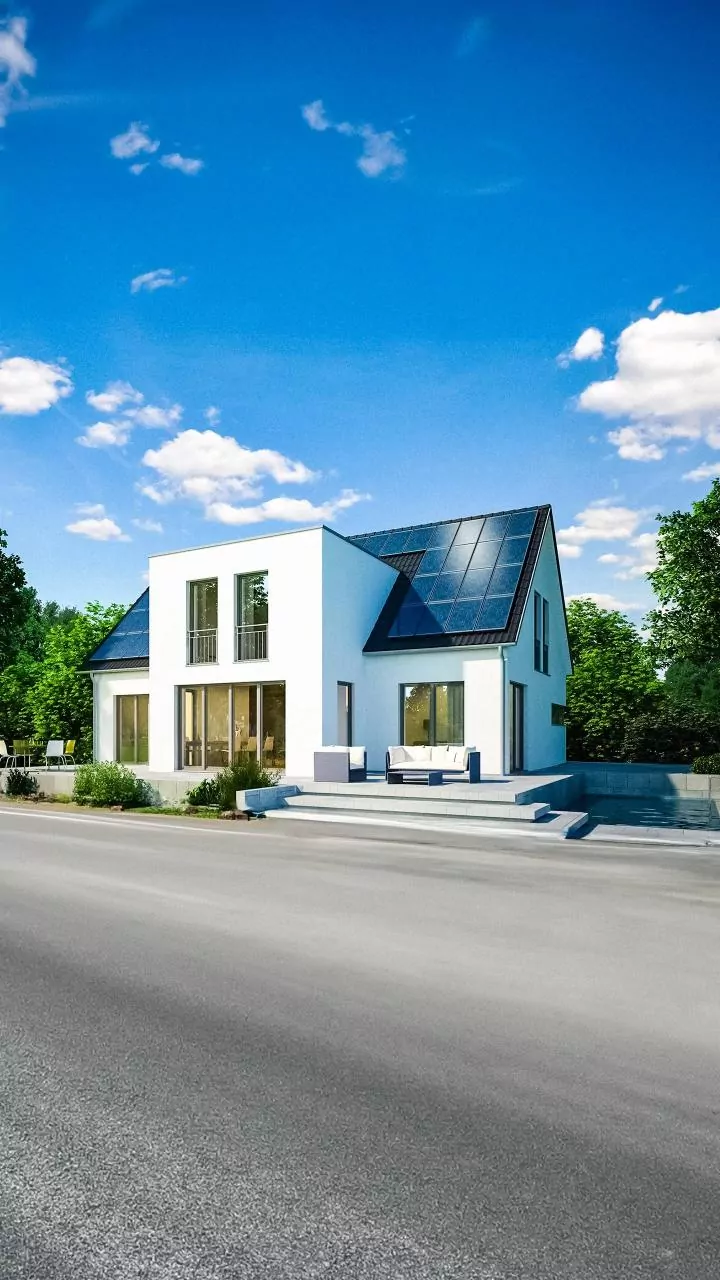
This is where the “flex” comes in. Conspicuous consumption used to be about tangible objects: the Sub-Zero fridge, the Italian marble countertop, the statement chandelier. But as luxury evolves, it’s becoming less about what you can see and more about what you can experience. A sensor-driven home is the ultimate quiet brag. It’s having a guest ask why the lighting in the powder room is so flattering, and the answer is, “Oh, the house just adjusts it.” It’s the subtle flex of a home that manages its own energy consumption, maintains perfect air quality, and tailors its ambiance to the time of day and its occupants, all without a single button press or voice command. This isn't a flex of wealth, but of seamlessness. It communicates that you have not only curated your space, but optimized your life, outsourcing the mental load of environmental management to an invisible intelligence. The ultimate status symbol is no longer an object, but a state of effortless existence.
Is Your Home Getting Smarter?
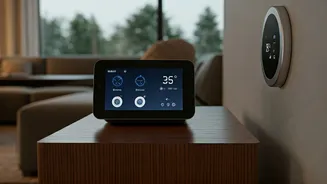
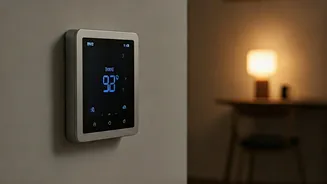
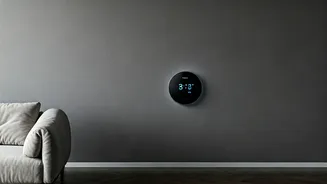
While custom-built, fully integrated home automation systems from companies like Crestron or Savant can run into the tens or even hundreds of thousands of dollars, the core principles of sensor-driven living are becoming more accessible. The trend is trickling down to the consumer level, piece by piece. Smart thermostats like the Ecobee come with remote room sensors to help even out hot and cold spots. Philips Hue lighting systems can be programmed to follow the sun’s cycle. Affordable air quality monitors from brands like Airthings or Awair can trigger smart plugs connected to a fan or purifier. Each of these products is a building block. While they may not offer the flawless, centralized integration of a high-end system, they allow regular homeowners to start automating their comfort one sensor at a time. You may not have a house that runs itself yet, but you can certainly build a living room that does.