


Beyond Butter Chicken and Naan
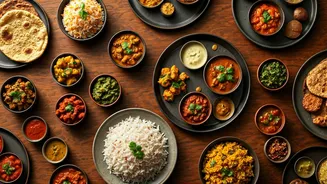
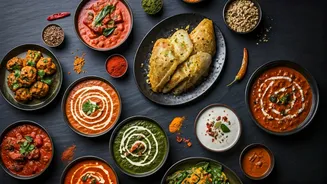
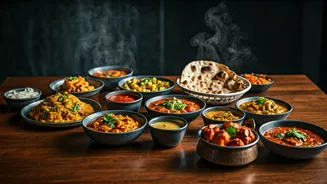
Let’s be honest. When you think of an Indian restaurant, your mind likely goes to a familiar, comforting place: a basket of pillowy naan, a tandoori chicken sizzling on a platter, and a bowl of rich, tomato-and-cream-based butter chicken or tikka masala.
For the better part of 50 years, this North Indian and Punjabi-style cooking has been the de facto ambassador of Indian cuisine in the United States. It’s delicious, it’s decadent, and it has rightfully earned its place as a staple of American takeout culture. But treating North Indian food as the entirety of Indian cuisine is like saying all American food is cheeseburgers and fries. India is a vast, incredibly diverse country, and its culinary landscape is as varied as its geography. Now, a new chapter is unfolding on American menus, one that travels south, below the Deccan Plateau, to the coastal states of Kerala, Tamil Nadu, Karnataka, and Andhra Pradesh.
A Different World of Flavor
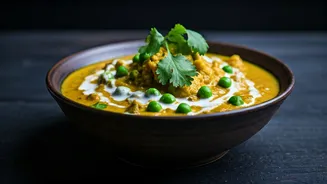
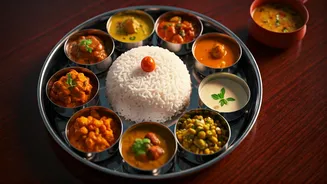
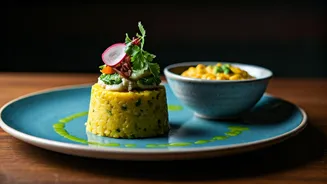
So, what makes South Indian food so different? Forget the heavy cream and wheat-based breads. The Southern palate is built on a foundation of rice, lentils, coconut, and a distinct set of spices. Curries here are often lighter, tangier, and carry a different kind of heat. The secret weapon in many kitchens is tamarind, which imparts a signature sourness that balances the richness of other ingredients. Coconut is used liberally, but not just as heavy cream; you’ll find it as freshly grated garnish, light coconut milk, and toasted for texture. The aroma is also different, thanks to the ubiquitous sizzle of mustard seeds, dried red chilies, and fragrant curry leaves in hot oil—a tempering process known as tadka or thalippu that finishes many dishes. A classic example is Sambar, a lentil-based vegetable stew with a tamarind broth that is a staple across the region. Another is Avial, a beautiful, thick mixture of vegetables in a coconut and yogurt sauce from Kerala. These dishes aren't just different in taste; they represent a lighter, vegetable-forward approach to cooking that feels incredibly modern.
Why Now? The Perfect Culinary Storm
The rise of South Indian cuisine isn't happening in a vacuum. Several cultural and culinary trends have converged to create this moment. First, American diners have become more adventurous, actively seeking regional authenticity over generic, one-size-fits-all ethnic food. We've seen it with Mexican food (moving from Tex-Mex to regional specialties like Oaxacan mole) and Chinese food (exploring beyond Cantonese-American fare to Sichuan and Hunanese cooking). Indian food is the next frontier. Furthermore, the wellness movement has subtly primed our palates for the South Indian flavor profile. Many dishes are naturally gluten-free (relying on rice and lentils), often vegan or vegetarian, and feature less dairy and oil than their Northern counterparts. The use of fermented batters, as seen in dosas and idlis, also taps into the current fascination with gut-healthy foods. Finally, social media food influencers and a growing, proud Indian diaspora have been instrumental in showcasing the vibrant, home-style cooking that rarely made it to restaurant menus of the past.
Your Guide to the South Indian Menu
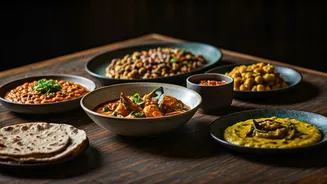
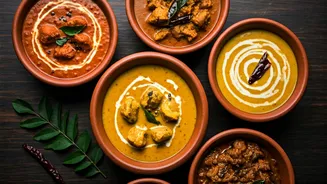
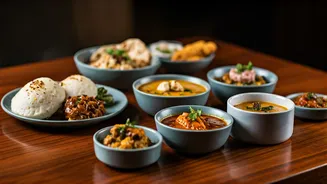
Stepping into a South Indian restaurant for the first time can be intimidating if you're looking for saag paneer. But armed with a little knowledge, you'll find a world of new favorites. Instead of naan, you’ll find paper-thin dosas (crispy crepes made from fermented rice and lentil batter), fluffy idlis (steamed rice cakes), and flaky parottas. When looking at the curries, keep an eye out for these gems: * **Chettinad Curry:** Hailing from Tamil Nadu, this is a fiery, complex curry known for its use of black pepper and a host of freshly ground spices. Try the chicken version for a powerful flavor punch. * **Kerala Fish Curry (Meen Curry):** A true coastal classic. Often bright red or yellow, it’s typically tangy with tamarind or a special sour fruit called kudampuli, and creamy with coconut milk. It’s a world away from a heavy korma. * **Mor Kuzhambu:** A delicate, yogurt-based curry from Tamil Nadu, often featuring vegetables like okra or ash gourd. It’s cooling, tangy, and utterly unique. * **Kootu:** A sort of middle ground between a stew and a dry curry, it’s made with lentils and vegetables and is a comforting, hearty side dish.