


An Introduction to the Konkan
First, a quick orientation. The Konkan Coast is a rugged and beautiful stretch of western India, running south from Mumbai through the states of Maharashtra and Goa, and down to Karnataka. Think of it as India's version of the Pacific Coast Highway, but
with a tropical twist. For much of the year, it's known for its sun-drenched beaches, sleepy fishing villages, historic forts, and delectable seafood. But when the calendar flips to June, the region undergoes a radical transformation. The scorching heat of May gives way to the first dark clouds of the southwest monsoon, and with them comes the rain—and a completely different kind of magic.
The Monsoon Transformation
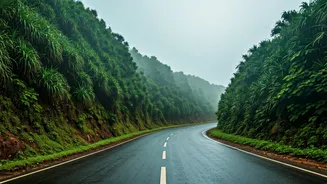
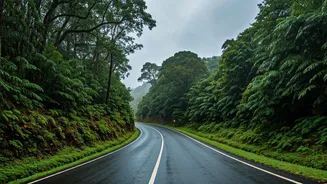
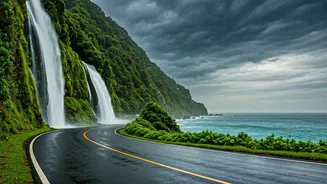
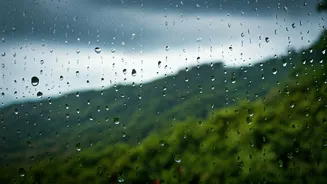
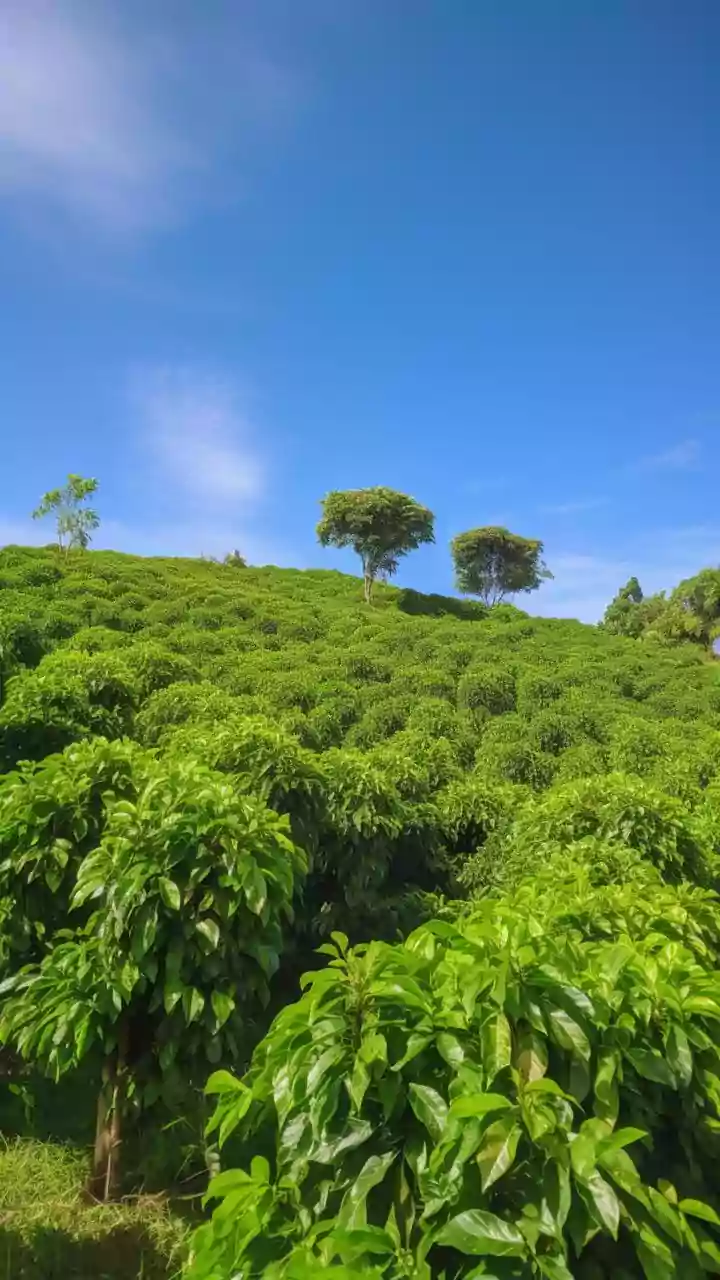
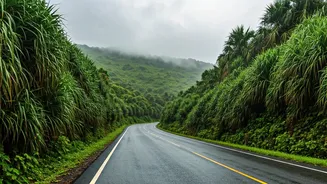
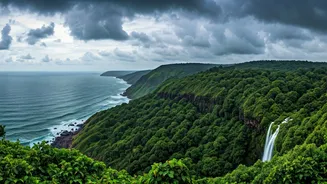
The arrival of the monsoon is not a gentle affair; it’s a full-sensory spectacle. The parched, dusty landscape is reborn in a matter of days, saturated in impossible shades of emerald and jade. Tiny streams swell into powerful, cascading waterfalls that appear out of nowhere, tumbling down the hills of the Western Ghats mountain range that borders the coast. The air, once thick with heat, becomes heavy with the earthy, intoxicating scent of petrichor—the smell of rain hitting dry ground. The constant, rhythmic drumming of rainfall becomes the soundtrack to daily life. This isn't a dreary, gray drizzle. It's a dramatic, life-giving event that washes the world clean and turns the entire region into a lush, vibrant terrarium.
The Allure of the 'Wet Roads'
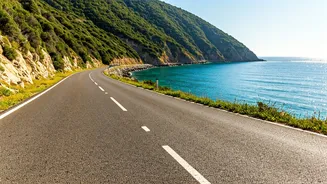
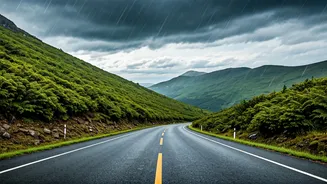
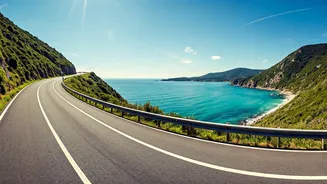
So why are travelers flocking to a place during its rainy season? Because they aren't looking for a tan. They're chasing an atmosphere. Driving the winding coastal roads, with the Arabian Sea on one side and dripping green hills on the other, is the primary draw. The journey itself becomes the destination. With the peak tourist season over, the crowds vanish. Popular beaches are empty, save for a few locals. Hotel prices drop significantly, and the frantic energy of tourist season is replaced by a serene, contemplative calm. This is slow travel at its best. It’s about finding a small guesthouse with a covered veranda, ordering a cup of hot chai and some crispy onion pakoras (fritters), and just watching the rain fall for hours. It’s the romance of the storm without the inconvenience, a chance to connect with a place when it feels most authentically itself.
What to Do and See
A monsoon trip on the Konkan Coast is less about a packed itinerary and more about embracing the spontaneity the weather demands. The main activity is driving the scenic NH-66 highway, pulling over to admire impromptu waterfalls or misty valley views. Many travelers rent a car or a motorbike for the ultimate freedom. Beyond the drive, you can seek out well-known waterfalls like Dudhsagar (on the Goa-Karnataka border) which are at their thunderous peak during this time. You can also explore the historic sea forts that dot the coastline, such as Murud-Janjira or Sindhudurg, which take on a moody, dramatic character in the rain. And, of course, there's the food. The monsoon brings its own culinary delights, from freshly caught fish curries to roasted corn on the cob sold by roadside vendors, all of which taste better when it's pouring outside.
A Dose of Reality
While enchanting, monsoon travel isn't for everyone. The 'wet roads' are quite literal—they can be slippery, and landslides can cause temporary closures, requiring patience and a flexible schedule. Humidity is at 100%, so quick-dry clothing is your best friend. Swimming in the ocean is generally off-limits due to rough seas and strong currents. You should also be prepared for power cuts and a slower pace of life, as not all shops and restaurants will be open. This trip is best suited for the laid-back traveler who sees a rain-delay not as a problem, but as an opportunity to read another chapter of their book.