






More Than Just a Calendar
Before the ubiquitous Gregorian calendar organized our lives into a relentless march of work weeks and weekends, humanity looked to the moon. Lunar and lunisolar calendars, which track time by the phases of the moon, have been the foundation for cultural
and religious life for millennia. They determine the dates for Lunar New Year in East Asia, Ramadan in Islam, and Passover in Judaism. These calendars don't just count days; they mark the rhythm of nature, embodying a cyclical flow of waxing and waning, planting and harvesting, celebration and reflection. In a world dominated by the linear, 9-to-5 grind, the appeal of a system that honors rest and renewal is resonating deeply. It offers a framework for living that feels more intuitive and connected to the natural world.
The App as a Modern Almanac
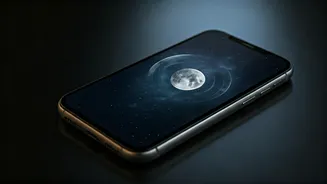
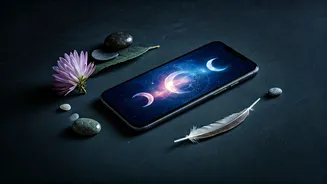
The knowledge of how to follow these ancient cycles was once passed down through generations or required complex calculations. Today, it’s available with a tap. A new generation of apps—like Stardust, Chani, and The Moon Calendar—are acting as digital almanacs for the 21st century. They translate the esoteric into the accessible. Instead of just showing a date, these apps offer daily advice based on the moon's phase and astrological position. A new moon might come with a push notification encouraging you to set intentions, while a full moon could suggest journaling prompts for release and reflection. They often blend modern wellness language with ancient traditions, offering guided meditations, ritual suggestions, and community forums where users can share their experiences. This transforms the lunar cycle from an abstract astronomical event into a personalized, actionable guide for daily life.
Why Gen Z is Looking Up
This trend has found a particularly strong foothold with Gen Z and younger millennials. As digital natives, they are fluent in using technology to solve problems and explore identities. For a generation that grew up with the internet, it feels completely natural to download an app to connect with ancient wisdom. Furthermore, many in this cohort are skeptical of traditional institutions and structures, from the corporate ladder to organized religion. Lunar calendars offer a spiritual framework that is personal, flexible, and free from rigid dogma. It aligns perfectly with the broader wellness movement, which prioritizes self-care, authenticity, and finding meaning outside of conventional paths. Following the moon becomes a quiet act of rebellion against burnout culture—a way to reclaim one's time and energy by aligning with a cosmic, rather than corporate, clock.
From Astrology to Cyclical Living
While this trend shares roots with the recent explosion in astrology's popularity, it’s evolving into something broader: the concept of “cyclical living.” The goal isn't necessarily to predict the future, but to understand your own energy patterns. Users report tracking the moon to better plan their lives—scheduling demanding tasks during the energetic waxing phase and prioritizing rest and self-care during the waning phase. Some apps even help users track their menstrual cycles alongside the lunar cycle, reviving an ancient connection between the two that modern society has largely forgotten. It represents a powerful shift from a linear model of constant productivity to a cyclical one that acknowledges that energy, focus, and mood are not static. It’s a framework for giving yourself permission to be productive when you have the energy and to rest when you don’t.