


Meet Aam Panna: Summer in a Glass
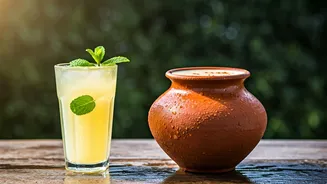
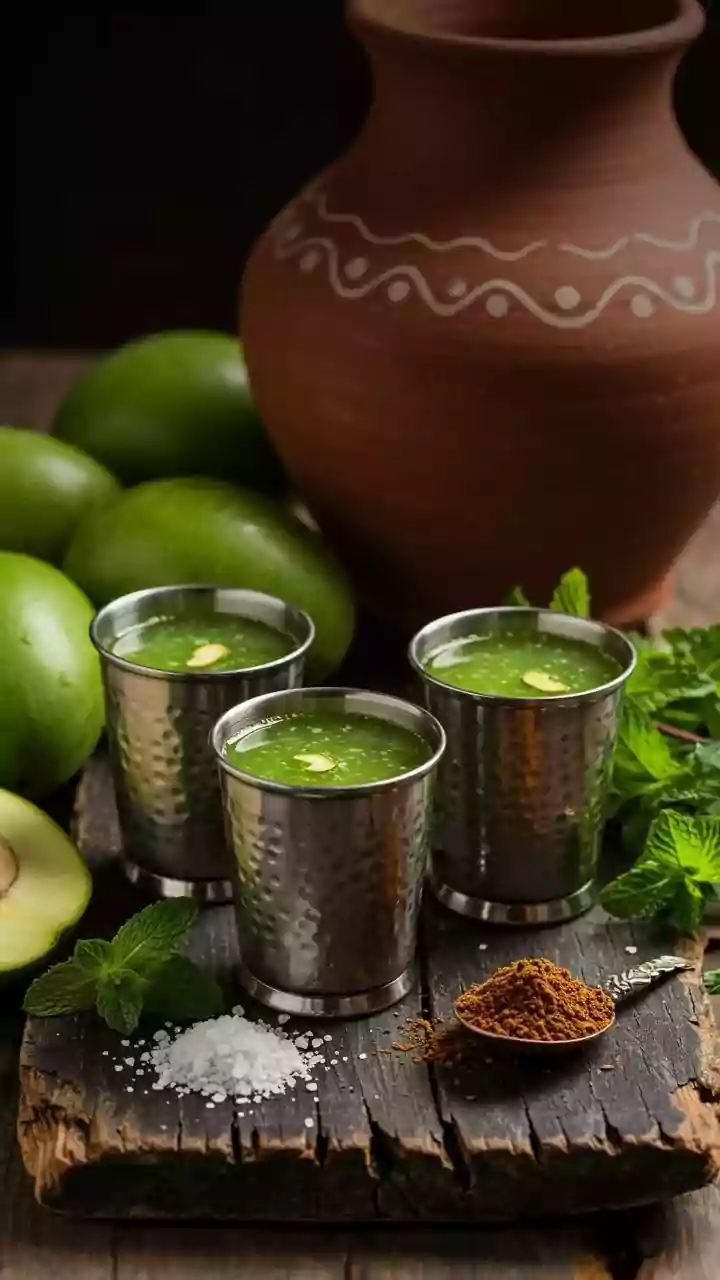
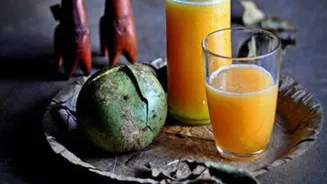
Imagine a drink that tastes like the very essence of a hot, lazy afternoon, but in the most refreshing way possible. That’s Aam Panna. Made from the pulp of raw, unripe green mangoes, it’s a seasonal classic across North and West India, traditionally
prepared to combat the searing heat of pre-monsoon summers. The mangoes are boiled or roasted until soft, the pulp is extracted, and then blended with water, sugar or jaggery, and an invigorating mix of spices. The flavor profile is a thrilling tightrope walk: tangy and tart from the raw mango, sweet from the sugar, and punctuated by the savory, aromatic notes of roasted cumin, black salt (kala namak), and sometimes mint or ginger. It’s not just a thirst-quencher; it’s a full sensory experience that delivers an electrolyte-rich punch, helping the body rehydrate and fight off the effects of heatstroke. For generations, it has been the homemade, all-natural answer to Gatorade, long before sports drinks were even a concept.
The Power of Sattu: India's Original Protein Shake
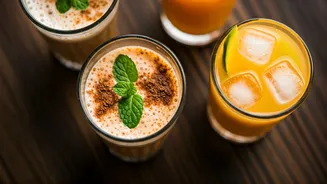
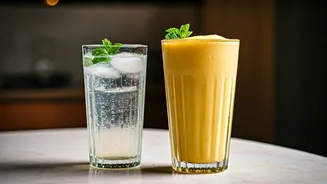
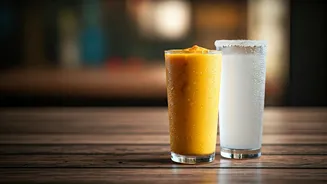
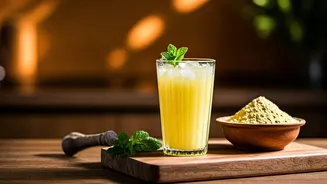
If Aam Panna is the zesty antidote to a hot day, Sattu is its earthy, grounding counterpart. Often called 'the poor man’s protein,' this description belies its incredible nutritional sophistication. Sattu is a flour made from roasted grains, most commonly chickpeas (chana) or barley. This roasting process makes the nutrients more bioavailable and gives it a distinct nutty, earthy flavor. To make a drink, the flour is simply whisked into cold water. From there, it’s a choose-your-own-adventure. For a savory version (Sattu Namkeen), you might add lemon juice, black salt, and chopped onions or cilantro. For a sweet take (Sattu Meetha), it’s mixed with jaggery or sugar. The result is a thick, filling, and incredibly satisfying beverage that’s packed with plant-based protein, fiber, and slow-release carbohydrates. It’s a superfood that has sustained laborers and travelers in states like Bihar, Jharkhand, and Uttar Pradesh for centuries, providing long-lasting energy without the crash of sugary, caffeinated drinks. Think of it as a rustic, whole-food protein shake, ready in seconds.
Why Now? The Wellness Connection
So why are these ancient drinks suddenly appearing on cafe menus and in wellness blogs in the United States? The trend is fueled by a perfect storm of modern cultural currents. First, there's the wellness movement's pivot towards gut health and natural ingredients. Both Aam Panna and Sattu are intrinsically healthy. Sattu is a fiber-rich prebiotic, while the spices in Aam Panna, like ginger and cumin, are known for their digestive benefits. Second is the growing interest in global cuisines beyond the standard restaurant fare. Spurred by social media and a new generation of diaspora chefs and creators, Americans are becoming more curious about authentic, regional, and homemade food traditions. These drinks fit perfectly into that narrative. They are also incredibly climate-appropriate. As summers get hotter everywhere, the logic of a drink designed specifically to cool the body down has universal appeal. They represent a rejection of hyper-processed, artificially flavored beverages in favor of something with history, nutritional value, and a story.
How to Join the Trend
Curiosity piqued? Getting your hands on these drinks is easier than you might think. Many modern Indian restaurants, especially those focusing on regional cuisine, are adding Aam Panna to their summer menus. You might find it bottled or as a concentrate at a well-stocked Indian grocery store. Sattu flour is also a staple at these stores, waiting on the shelf next to the chickpea and lentil flours. A quick search online will yield dozens of simple recipes for both sweet and savory Sattu drinks. The beauty of making it at home is the ability to control the sweetness and customize the spices to your liking. Whether you buy it ready-made or mix it yourself, you’re not just trying a new drink; you’re tasting a centuries-old solution to heat, hunger, and thirst that feels more relevant than ever.