






Step 1: The Pre-Trip Paperwork
Long before you pack a single bag, the most critical step is ensuring your pet is cleared for travel. Start with a visit to your veterinarian. This is non-negotiable. Your vet can confirm your pet is healthy enough for the journey, update all necessary
vaccinations, and provide a health certificate, which is often required for air travel and some state border crossings. Discuss your destination and mode of transport with them; they can offer advice on motion sickness medication or sedatives, though sedating pets for air travel is often discouraged due to potential respiratory issues at altitude. Also, ensure your pet’s microchip information is up-to-date with your current phone number and address. This tiny chip is their best ticket home if you get separated.
Step 2: Research and Reservations
Not all destinations or accommodations are created equal in the eyes of a pet owner. The “pet-friendly” label can mean anything from “small dogs welcome for a $200 fee” to “we have a dedicated dog park and welcome gift.” Call hotels directly to confirm their specific pet policies, including weight limits, breed restrictions, and any associated fees. Ask about rules regarding leaving a pet unattended in the room. For air travel, research airline policies meticulously. Each has different rules for in-cabin versus cargo transport, carrier size requirements, and booking procedures. Some airlines have temperature embargoes for cargo travel during hot or cold months. For road trips, map out pet-friendly rest stops or parks along your route to allow for safe and comfortable breaks.
Step 3: The Paw-fect Packing List
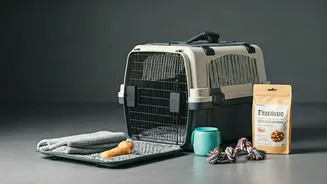
When packing for your pet, think in terms of safety, comfort, and routine. Start with the basics: enough food for the entire trip plus a little extra, and plenty of fresh water. Collapsible bowls are a space-saving godsend. Pack any medications, along with a pet first-aid kit. For comfort, bring their favorite bed, a blanket that smells like home, and a few durable toys to keep them occupied. Don’t forget the practical stuff: waste bags, a leash and a spare, grooming wipes for quick cleanups, and a copy of their vaccination records and health certificate. A well-fitted harness is often safer and more comfortable for car travel than a simple collar. If crate-training, their crate is their safe space—make sure it’s a familiar and positive place for them to be.
Step 4: Managing Travel Day Stress
Travel day is when your careful planning pays off. For road trips, secure your pet safely in the back seat using a crate, car seat, or safety-certified harness. Never let them roam freely in the car or hang their head out the window, which poses a serious risk of injury. Take breaks every two to three hours for water, potty, and a short walk. For air travel, arrive at the airport with plenty of extra time. If your pet is flying in the cabin, their carrier is their ticket. Ensure it’s well-ventilated and large enough for them to stand up and turn around. Line it with an absorbent puppy pad. If they are traveling as cargo, confirm all arrangements with the airline staff and affix a prominent “Live Animal” sticker to the crate, along with your contact information. Your calm demeanor will help your pet feel more secure, so try to manage your own travel anxiety.