

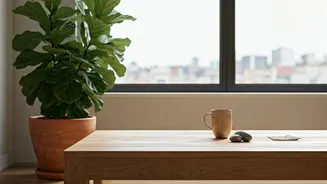
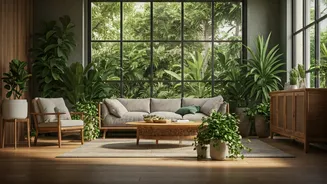
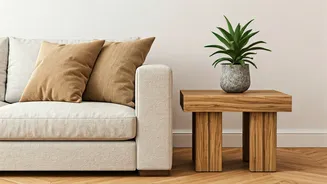


1. Start with an Earthy Palette
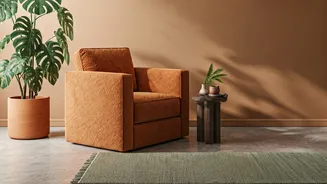
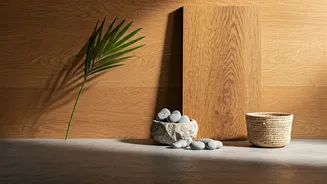
Forget stark whites that show every scuff or bold colors that require constant upkeep. A nature-inspired palette is built on forgiving, timeless hues. Think warm tans, soft grays, muted greens, and deep blues. These colors are not only psychologically
calming, reminding us of soil, stone, and sky, but they are also incredibly practical. They hide minor smudges and dust far better than high-contrast colors, meaning your space looks put-together even when you don't have time for a deep clean. This foundation makes it easy to layer in other natural elements without the room feeling chaotic.
2. Choose Durable, Natural Materials
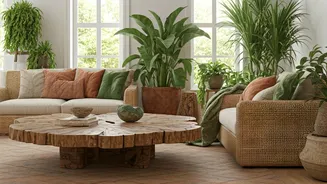
Busy homes need surfaces that can handle life. This is where natural materials shine. A solid wood dining table gains character with a few dings, unlike a glossy laminate that chips and looks damaged. A leather sofa develops a rich patina over time, telling the story of family movie nights. Stone countertops, jute rugs, and linen throws are built for wear. These materials don't demand perfection; in fact, their beauty is often enhanced by signs of use. This principle, known in some design circles as "wabi-sabi," embraces imperfection, freeing you from the anxiety of keeping everything pristine.
3. Add (the Right) Greenery
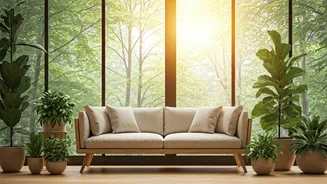
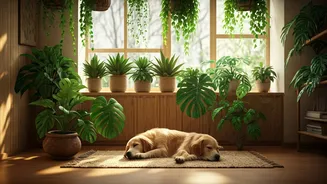
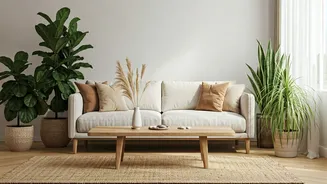
Plants are the most literal way to bring nature indoors, but the key for a busy person is choosing low-maintenance varieties. You don't need a house full of fussy ferns. Opt for hardy survivors like the snake plant (Sansevieria), which thrives on neglect and purifies the air. A ZZ plant can tolerate low light and infrequent watering. A pothos is famously forgiving and will happily trail from a bookshelf with minimal intervention. These plants add life, color, and a proven psychological boost without adding another demanding task to your checklist. If you have a black thumb, even high-quality faux plants can provide the visual benefit without any work.
4. Maximize Natural Light
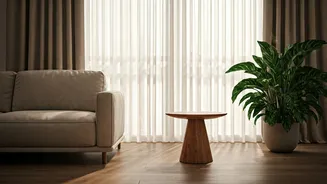
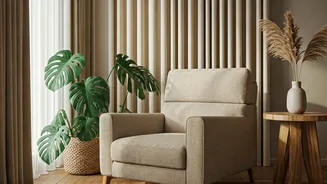
One of the most powerful and effortless ways to connect your home with the outdoors is by maximizing natural light. It costs nothing and has a profound impact on mood and energy. If you're dealing with heavy, dark curtains, swap them for lightweight, sheer panels that allow light to filter in while still providing privacy. Keep windows clean and ensure furniture isn't blocking the main light source. A well-placed mirror can also work wonders, bouncing light around the room and making the entire space feel brighter, larger, and more open. This simple shift reduces the need for artificial lighting during the day and creates a more vibrant, energetic atmosphere.
5. Focus on Texture Over Clutter
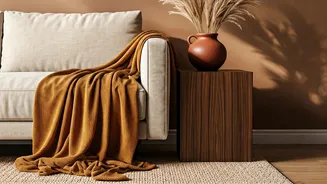
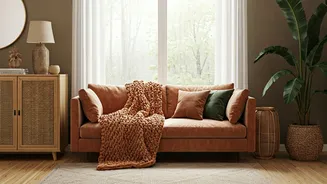
A busy life often leads to clutter. A nature-inspired approach helps you create visual interest without adding more 'stuff.' Instead of collecting decorative objects that need constant dusting, focus on texture. A chunky knit blanket, a woven seagrass basket for storage, a rough-hewn wooden bowl, or a simple linen pillow cover all add depth and warmth. These items are often functional as well as beautiful. By focusing on a few high-quality, textural pieces, you create a rich, layered look that feels intentional and cozy, not cluttered and chaotic. It's a minimalist-friendly approach that delivers maximum impact.