



The Desert State’s Green Anomaly
Meet Mount Abu, the only hill station in the vast, arid state of Rajasthan. Perched at an elevation of 4,000 feet in the Aravalli Range, it has always been an outlier—a cool retreat established to offer British officials respite from the oppressive summer
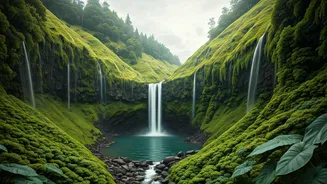
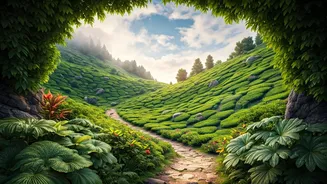
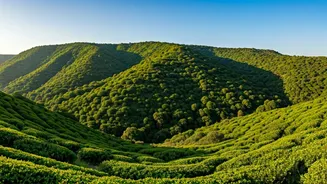
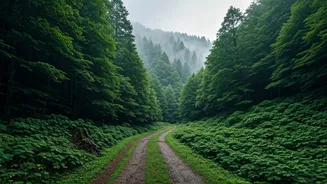
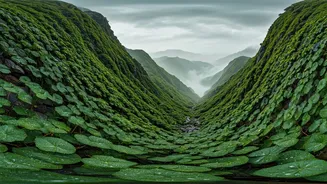
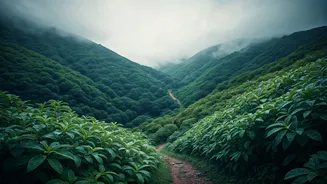
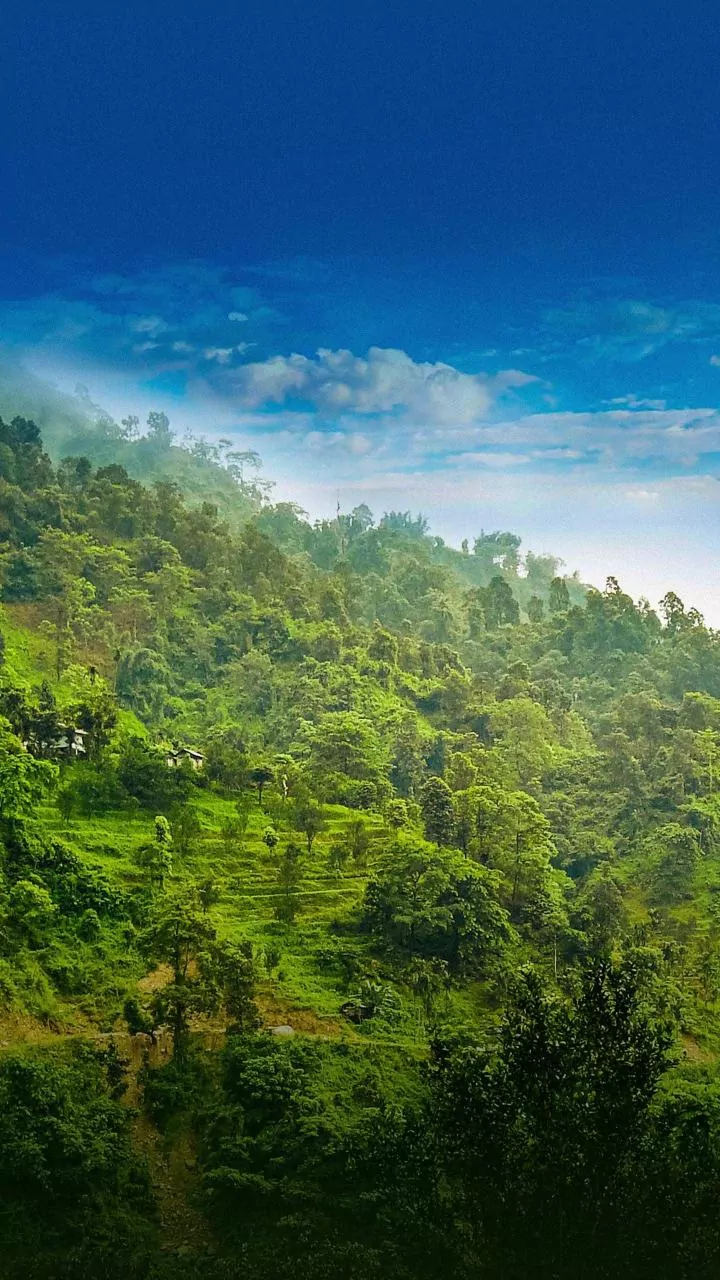
heat. For most of the year, it’s a popular but relatively conventional destination. But when the monsoon clouds roll in, the entire place undergoes a dramatic, almost cinematic transformation. The dusty browns and muted greens of the dry season are washed away, replaced by an impossible spectrum of emerald, jade, and forest green. It’s as if the landscape has been holding its breath, waiting for this specific moment to exhale in a burst of life.
An Atmosphere You Can Touch
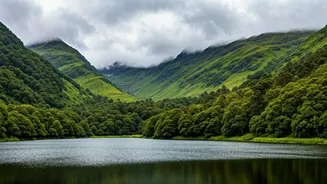
The change isn’t just visual; it’s a full sensory takeover. The temperature plummets, offering a crisp, cool air that feels like a balm after the region’s notorious heat. The defining feature, however, is the mist. Thick, rolling clouds descend from the peaks, blanketing the town in a soft, ethereal haze. They snake through the streets, obscure the tops of trees, and wrap around ancient temples, creating a sense of mystery and wonder. Driving up the winding roads to the summit feels like ascending into another world, where the boundaries between earth and sky blur. The constant, gentle drizzle or the occasional heavy downpour provides a soothing soundtrack, punctuated by the croaking of frogs and the distant calls of peacocks—India’s national bird, famous for its love of the rain.
Where Nature Rewrites the Scenery
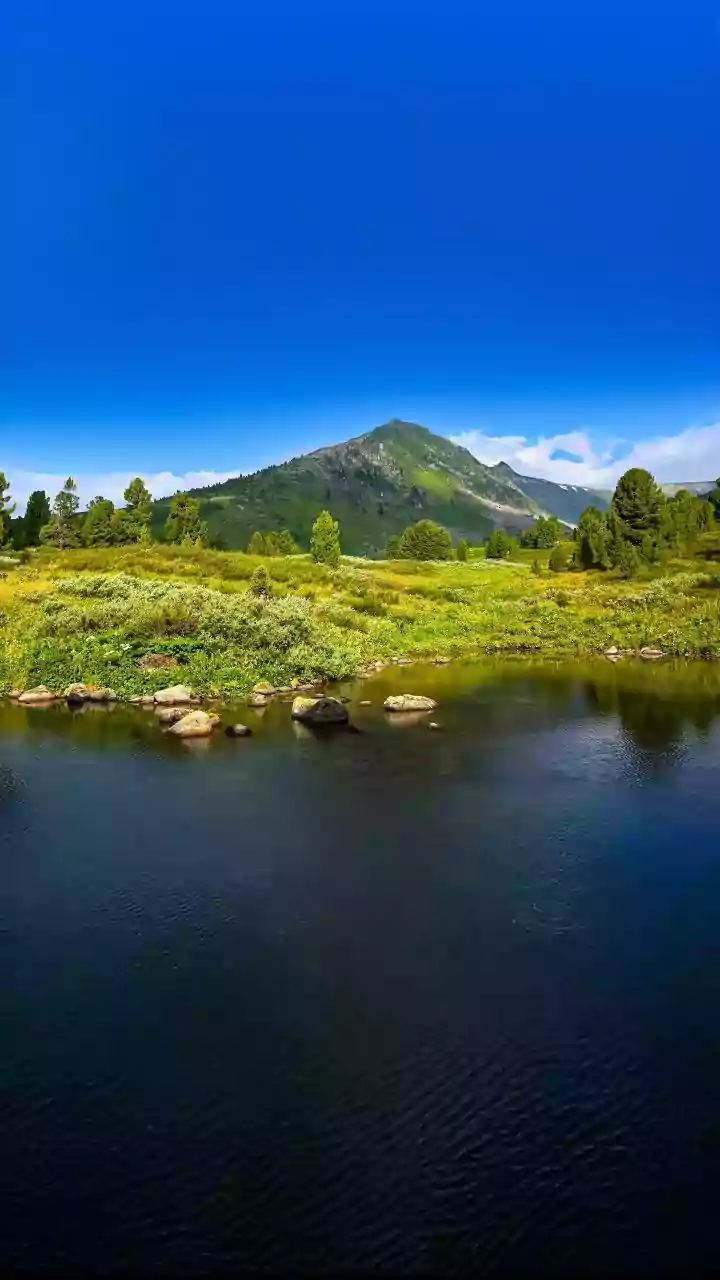
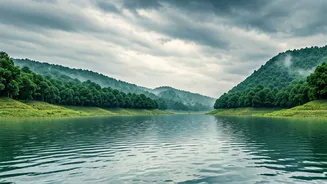
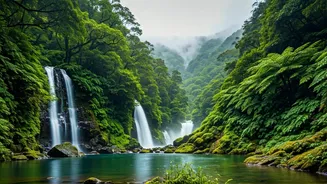
Every landmark in Mount Abu seems to get a monsoon-season upgrade. The centerpiece, Nakki Lake, an ancient man-made reservoir surrounded by hills, fills to the brim. Its placid surface, often shrouded in fog, becomes a perfect mirror for the brooding sky. Taking a paddleboat out onto the water feels like floating through a dream. Small, ephemeral waterfalls cascade down rocky cliffs that were barren just weeks before. The Dilwara Temples, a complex of stunningly intricate 11th-century marble Jain temples, take on a new gravitas. The rain washes the white marble to a brilliant shine, and the cool, damp air inside feels even more sacred and serene. Even the simple act of walking through the town market becomes an adventure, with vendors selling roasted corn on the cob—a classic monsoon snack—that provides a perfect, smoky counterpoint to the chilly weather.
The Main Character Energy
So why is Mount Abu the “main character” during this season? Because while the rest of Rajasthan hunkers down or deals with the logistical challenges of the monsoon, Mount Abu is living its best life. The rains aren’t an inconvenience here; they are the main event. The entire ecosystem and local culture are built around this annual renewal. It’s a time when nature puts on its most spectacular show, and the town becomes the protagonist of a story about resilience, transformation, and unexpected beauty. It confidently steals the spotlight, offering a version of Rajasthan that subverts all expectations and proves that even in a land of deserts, you can find a lush, vibrant, and utterly enchanting paradise.