





The Sterile Sadness of the Hotel Box
We’ve all been there. You book a trip to a city known for its moody charm—Seattle, Portland, maybe a coastal New England town in April. The rain starts, as expected, but instead of feeling cozy, you feel trapped. You retreat to your hotel room, a beige
box of corporate efficiency. The art is forgettable, the lighting is harsh, and the only reading material is a binder full of room service menus and local taxi numbers. You flick through 500 cable channels before giving up. The promise of room service, once a novelty, reveals itself as an overpriced club sandwich delivered with transactional anonymity. This isn’t a retreat; it’s a holding cell with a mini-fridge. The modern hotel room is designed for sleeping and showering, not for living. It’s a functional space, but it has no soul. When the weather turns and forces you inside, you’re left with nothing but the stark reality that you paid for a bed, not a shelter.
Redefining the Role of the Host
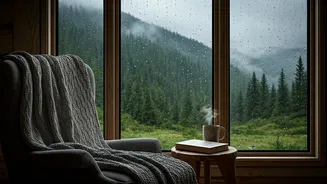
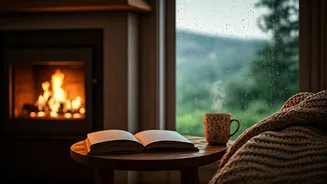
The antidote isn’t a bigger room or a better minibar. It’s a host. And “host” doesn’t just mean the friendly person who hands you the keys to a vacation rental. A great host is a curator of comfort, an invisible presence who anticipated your needs long before you arrived. Their influence is in the details: the thoughtfully stocked bookshelf with local authors and page-turners, the ridiculously comfortable throw blanket draped over the armchair, the high-quality coffee beans and the French press waiting on the counter. A host provides a curated list of rainy-day activities: the indie movie theater, the bookstore with a café, the pub with a fireplace and the best stout on tap. They leave behind a collection of classic board games, not as a cheesy amenity, but because they know a game of Scrabble is the perfect companion to the sound of rain on the roof. The host’s presence transforms a simple space into a sanctuary. It’s the difference between a place to stay and a place you don’t want to leave.
How to Find a Hosted Experience
So, how do you find this elusive creature? It requires shifting your search criteria from amenities to atmosphere. When scrolling through rental listings, bypass the algorithm-optimized photos of sterile, professionally staged condos. Look for personality. Does the description mention the owner’s favorite local spots? Are the photos filled with personal touches, like unique art or a well-used kitchen? Dive deep into the reviews. Don't just scan for star ratings; search for keywords like “thoughtful,” “cozy,” “details,” and, of course, “host.” Glowing reviews that specifically mention the host’s recommendations or the home’s welcoming vibe are gold. Look for phrases like, “We were so grateful for the list of local bakeries,” or “The apartment was stocked with everything we needed for a quiet night in.” These are the tell-tale signs of a property where the human element is the main attraction.
Beyond the Rental: The Hosted Mindset
This philosophy extends beyond the world of Airbnbs and Vrbos. You can find this spirit in small, independent hotels, historic inns, and boutique bed-and-breakfasts. The key is to look for places where the owner or manager is a visible, passionate part of the experience. Does the hotel website feature the story of its restoration? Does the innkeeper write a blog about local life? These are indicators of pride and personal investment. Choosing a 12-room inn over a 200-room chain hotel isn’t about being quaint; it’s a strategic move to ensure that if you’re stuck inside, you’re in a place with character, history, and a point of view. It’s about choosing a place that feels like a destination in itself, not just a base camp for outdoor adventures that may or may not happen.