
More Than Just a Plunge
Every June 24th, the Indian state of Goa explodes with color and song for Sao Joao, a festival honoring St. John the Baptist. While ostensibly a Christian celebration, its spirit is pure Goan syncretism, blending faith with pre-colonial nature worship.
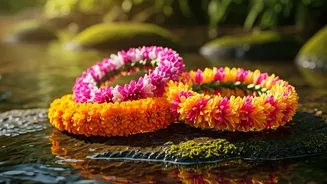
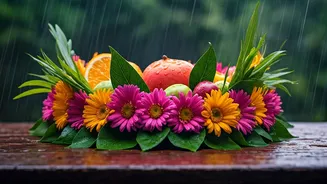
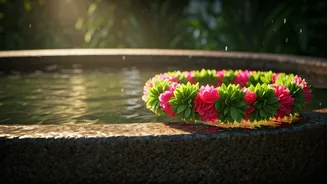
The festival’s most iconic image is of revelers, crowned with intricate wreaths of flowers and fruits called ‘kopels,’ gleefully jumping into overflowing wells, streams, and pools. This act mirrors John the Baptist leaping in his mother’s womb, but it also serves as a joyous welcome to the life-giving monsoon rains that end the sweltering summer. It’s a festival of fertility, renewal, and, most importantly for the traveling gourmand, a celebration of seasonal bounty that you can’t find any other time of year.
The Sweet Scent of Patoleo
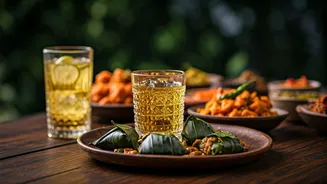
If there's one food that defines Sao Joao, it’s the patoleo. This isn't a dish you'll find on a typical restaurant menu; it's a home-cooked delicacy that fills Goan kitchens with an intoxicating aroma during the monsoon. Picture a delicate, flat rice cake made from a simple batter of red rice flour. This is spread thinly onto a fresh turmeric leaf and then filled with a heavenly mixture of freshly grated coconut and earthy, dark Goan palm jaggery, often spiced with a hint of cardamom. The leaf is folded and the entire parcel is steamed. The magic happens inside: the turmeric leaf imparts its subtle, peppery flavor and medicinal properties to the rice cake, while the sweet, gooey coconut filling becomes unbelievably fragrant. Eating a warm patoleo is to taste the Goan monsoon itself—earthy, sweet, and comforting.
A Toast with Feni and Fruit
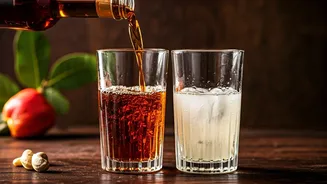
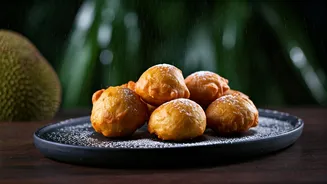
No Goan celebration is complete without Feni, the state's potent and fiercely beloved local spirit. Distilled from either cashew fruit or coconut sap, Feni has a pungent, unique flavor profile that can be an acquired taste, but during Sao Joao, it becomes the lifeblood of the party. You’ll find it served straight to the brave, but more often it’s mixed into refreshing cocktails. One popular tradition involves passing around a bottle of Feni and fresh fruit, like pineapple or lime, for people to take a swig and a bite. The festival also coincides with the end of the mango season and the peak of the jackfruit season. Food stalls and family gatherings feature bowls of these fruits, alongside other treats like jackfruit fritters (ponnsache ghar), creating a vibrant, communal feast where the drinks are as local as the food.
The Communal Table
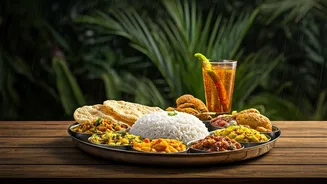
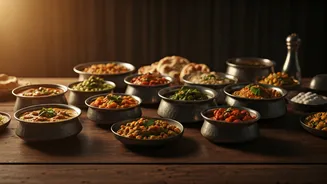
What makes the culinary side of Sao Joao so essential is that it’s not a spectator sport. The festival is a massive, decentralized potluck. As groups parade through villages, singing traditional songs, they are offered food and drink by households along the way. This isn't a transactional experience of buying food from a vendor; it’s a genuine act of community sharing. You’ll be handed a plate of sannas (fluffy, steamed rice cakes), a hearty portion of sorpotel (a spicy pork stew), or a simple piece of fruit. The food is part of the flow of the festival, consumed between songs and dips in the water. This is why it’s a foodie’s dream: it’s a chance to taste authentic, home-style Goan food in the exact context it was meant to be enjoyed—with joy, gratitude for the rains, and a deep sense of community.