



Your Body on the Night Shift
Working when your body is biologically programmed to sleep throws your entire system out of whack. This isn't just about feeling tired; it's a profound disruption to your circadian rhythm, the internal 24-hour clock that governs everything from hormone
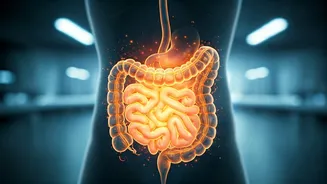
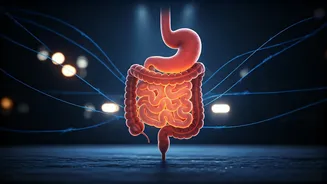
release to digestion. Studies show that shift work is linked to an increased risk of metabolic issues, digestive problems, and cardiovascular disease. Your hunger hormones, ghrelin and leptin, go haywire, making you feel hungrier and less satisfied after eating. Your digestive system, which naturally slows down at night, is asked to process meals at odd hours, often leading to discomfort, bloating, and irregularity.
Enter Fiber: The Metabolic Stabilizer
This is where “fibermaxxing”—or intentionally maximizing your fiber intake—becomes a powerful strategy. Think of the typical night shift diet: quick-fix energy from sugary drinks, pastries, and vending machine snacks. These cause a rapid spike in blood sugar, followed by an inevitable crash that leaves you feeling even more exhausted and foggy. Fiber, particularly soluble fiber found in oats, beans, apples, and nuts, acts as a brake on this process. It dissolves into a gel-like substance in your gut, slowing down the absorption of sugar into your bloodstream. The result is more stable, sustained energy without the dramatic peaks and valleys, helping you stay alert and focused through the quiet hours of your shift.
Your Gut's Best Friend After Midnight
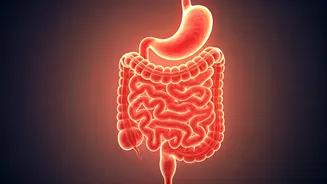
Your gut is home to trillions of bacteria, collectively known as the microbiome, which play a crucial role in digestion, immunity, and even mood. An erratic sleep and eating schedule can throw this delicate ecosystem into disarray. High-fiber foods, especially those rich in prebiotic fiber like bananas, onions, and whole grains, are the preferred food source for your beneficial gut bacteria. By feeding these good microbes, you help maintain a healthy gut environment, which can improve digestion, reduce inflammation, and support overall wellness. For a night shift worker struggling with the digestive toll of an inverted schedule, a fiber-rich diet can be profoundly restorative.
The Secret to Beating Vending Machine Cravings
One of fiber’s greatest superpowers is its effect on satiety—the feeling of being full and satisfied. High-fiber foods are typically more voluminous and take longer to digest than their low-fiber, highly processed counterparts. This means they keep you feeling full for longer. When you’re well-fed and satisfied from a fiber-rich meal you ate before your shift, you’re far less likely to succumb to the siren song of the break room donuts or the bag of chips calling your name at 4 a.m. This simple effect helps you make better food choices, manage your weight, and avoid the empty calories that often define nighttime eating.
Practical Tips for Fibermaxxing Your Shift
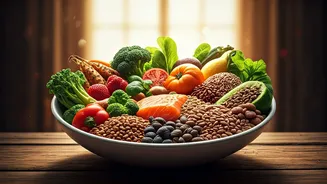
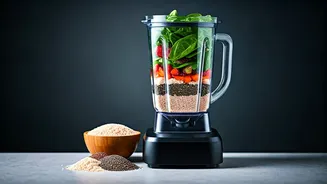
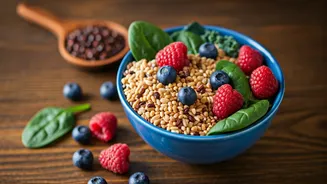
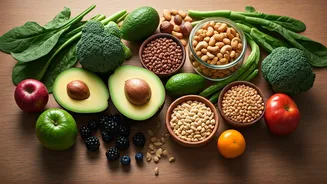
Making the switch doesn't have to be complicated. The goal is to aim for around 25-38 grams of fiber per day, but any increase is a win. Focus on adding, not just subtracting. * **Prep Ahead:** Before your shift, make a jar of overnight oats with chia seeds and berries. Or, pack a container of lentil soup or a salad with chickpeas. Having a healthy, fiber-packed meal ready to go removes the guesswork. * **Smart Snacking:** Ditch the chips and candy bars. Instead, pack snacks like a handful of almonds, an apple with peanut butter, baby carrots with hummus, or a high-fiber protein bar. * **Easy Swaps:** Choose whole-wheat bread for your sandwiches instead of white. Opt for brown rice over white rice with your meals. Add a tablespoon of flaxseed or psyllium husk to a smoothie or yogurt. * **Hydrate, Hydrate, Hydrate:** As you increase your fiber intake, you must also increase your water intake. Fiber works by absorbing water, so staying hydrated is crucial to avoid digestive discomfort.