




Rethink What Comfort Means
For decades, we’ve been taught that comfort is synonymous with richness. Butter, cream, cheese, and slow-cooked starches form the backbone of the American comfort food canon. These dishes connect us to nostalgia and provide a deep, satisfying warmth.
But they often leave us feeling sluggish and overstuffed. The modern definition of comfort can be broader. It can mean a dish that nourishes and energizes you. Think of a vibrant, steaming bowl of chicken soup packed with vegetables and brightened with lemon, or a perfectly roasted sweet potato that’s creamy and sweet on its own. Comfort can come from the feeling of well-being that follows a meal, not just the momentary bliss of eating it. The goal isn’t to replace your favorite lasagna, but to expand your personal comfort food library to include dishes that make you feel good long after you’ve put the fork down.
Embrace the Power of Acid
One of the biggest reasons rich foods feel “heavy” is their lack of contrast. A dish that is all fat and starch can coat the palate and feel one-dimensional. The single most effective tool to combat this is acid. A squeeze of lemon juice, a splash of apple cider vinegar, or even a dollop of plain yogurt can completely transform a dish. Acid cuts through fat, brightens flavors, and makes everything taste more vibrant and complex. Think about what a squeeze of lime does for a taco, or how a vinaigrette lifts a salad. Apply that same logic to your comfort classics. A little lemon zest stirred into a creamy risotto at the end, a splash of red wine vinegar in a beef stew, or a swirl of buttermilk in your mashed potatoes can add a layer of sophistication and make the entire dish feel lighter and more dynamic without subtracting any of the core satisfaction.
Build Flavor Without Just Adding Fat
Fat is a fantastic carrier of flavor, but it’s not the only one. You can build incredible depth in your cooking through other methods. Maillard browning—the chemical reaction that gives seared meat and toasted bread their savory flavor—is your best friend. Instead of boiling vegetables for a soup, try roasting them first to caramelize their natural sugars and create a deeper, sweeter base. Use umami-rich ingredients to add a savory backbone without excess oil or butter. Sautéed mushrooms, a spoonful of miso paste, a dash of soy sauce, or a sprinkle of nutritional yeast can give stews, sauces, and casseroles a profound sense of satisfying flavor that you might otherwise get from bacon or heavy cream. By layering these foundational flavors, you need less fat to make the dish taste complete.
Let Fresh Herbs Do the Heavy Lifting
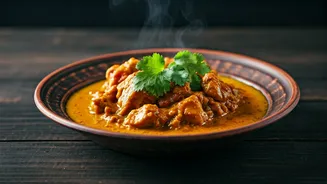
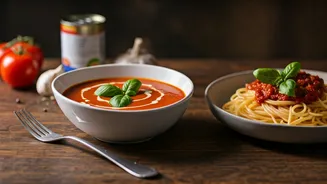
Never underestimate the impact of fresh herbs. They are not just a pretty garnish; they are a critical flavor component that can prevent a dish from feeling leaden. While dried herbs are great for long simmers, fresh herbs added at the end of cooking provide a burst of freshness and aroma that instantly perks up a meal. Imagine a creamy potato-leek soup: it’s delicious, but can be monotonous. A generous sprinkle of fresh chives or dill on top introduces a sharp, green note that contrasts beautifully with the creaminess. A shower of fresh cilantro and parsley over a chili or a handful of basil tossed into a tomato sauce at the last minute adds a dimension that no amount of simmering can replicate. They make the food taste alive, and in turn, you feel more alive eating it.
Prioritize Satisfying Textures
Part of the “heavy” sensation comes from a uniform, often soft or mushy, texture. A great dish has contrast. Adding a crunchy element can make a simple, comforting meal feel more complete and satisfying, tricking your brain into feeling full with less. Top a creamy soup or a smooth vegetable puree with toasted pumpkin seeds, crunchy roasted chickpeas, or homemade croutons. Sprinkle a casserole with toasted breadcrumbs mixed with Parmesan in the last few minutes of baking for a crispy crust. Even something as simple as topping a stew with a handful of toasted nuts can introduce a delightful textural surprise that breaks up the richness and keeps your palate engaged from the first bite to the last.