

From Jewel Tones to Earthy Hues
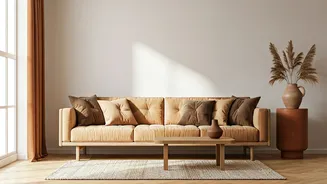
The classic image of Indian decor often involves a riot of vibrant jewel tones—sapphire blue, ruby red, and emerald green. While beautiful, this intense palette can feel overpowering in a modern American home. Today’s interpretation leans into a warmer,
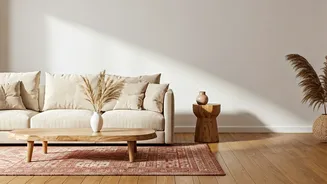
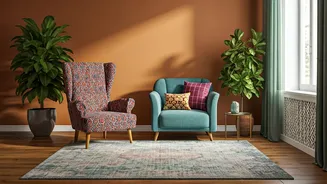
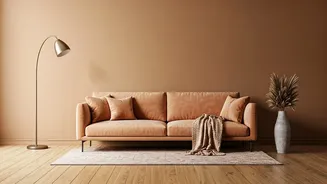
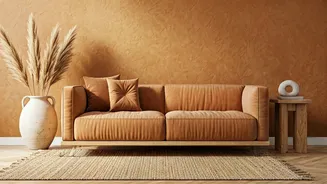
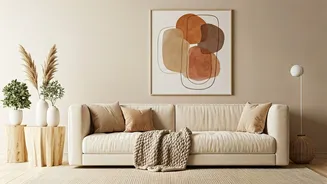
more grounded color scheme. Think terracotta, ochre, muted sage, and dusty rose, colors that evoke sun-baked earth and subtle spices. These hues create a calming backdrop that allows intricate details to shine without shouting. Use them on an accent wall, in textiles like throw pillows and rugs, or through pottery. The effect is cozy and inviting, not a formal, museum-like display.
Texture Over Tinsel
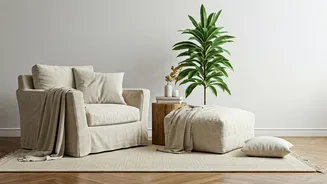
The "softer" shift is most apparent in the materials. Instead of shiny silks and heavy brocades, the focus is now on natural, touchable textures that invite you to relax. Raw cotton, soft linen, nubby jute, and warm wool are taking center stage. A hand-knotted jute rug provides an organic foundation, while block-printed cotton curtains filter light beautifully. This tactile approach adds depth and a sense of lived-in comfort, connecting the aesthetic to everyday life rather than keeping it as a purely decorative, hands-off element.
The Art of “One Good Thing”
This is where "smarter" design comes in. Rather than filling a room with many small, decorative items, the modern approach is to choose one or two high-impact, artisan-crafted pieces. It’s about curation, not collection. Consider an antique teakwood chest as a coffee table, a single, carved jharokha (window frame) as wall art, or a beautifully aged brass vessel. By giving these items space to breathe, you elevate them from souvenirs to focal points. This prevents a room from feeling cluttered or themed, allowing the craftsmanship of the individual piece to tell its story.
Clean Lines Meet Traditional Craft
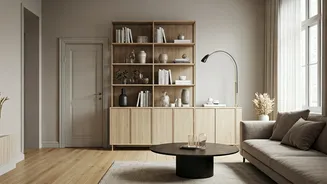
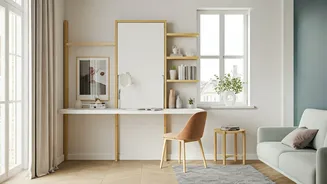
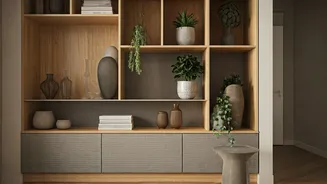
Furniture is also getting a modern update. While ornate, heavily carved dark wood has its place, the new look favors cleaner lines and lighter materials that feel fresh and airy. Think of a sleek armchair with cane webbing, a simple charpoy-style daybed with minimalist legs, or a light-toned mango wood bookshelf. This blend of modern forms with traditional Indian materials and techniques (like cane weaving) creates a look that is both contemporary and rooted in heritage. It’s the perfect bridge for integrating Indian elements into other decor styles without overwhelming the space.
Blending with Global Styles
Perhaps the smartest evolution is the seamless way this new Indian aesthetic fuses with other popular design styles. Its focus on natural materials and warm minimalism aligns perfectly with Japandi principles. Its appreciation for handcrafted, organic forms complements a rustic or modern farmhouse look. This isn't about creating a themed 'Indian room' anymore. It's about using Indian design principles—rich texture, skilled craftsmanship, and warm palettes—to add soul and personality to a globally inspired, cohesive home. It makes the style accessible and adaptable.
Layered, Ambient Lighting
Finally, smart design means smart lighting. Harsh overhead fixtures are out; a layered, warm glow is in. This approach enhances the cozy atmosphere and makes a space feel more intimate. Start with a statement pendant light, perhaps one made of pierced brass or woven natural fibers. Then, add secondary sources like a floor lamp in a reading corner and table lamps on sideboards. Even clusters of candles or traditional diyas (oil lamps) can add a final, gentle layer. This mix of light and shadow highlights textures and makes the room feel dynamic and welcoming.