


Myth: 'Healthy' on the Box Means It's Healthy
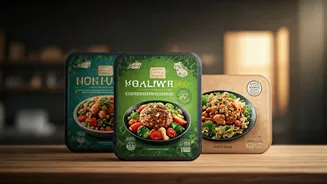
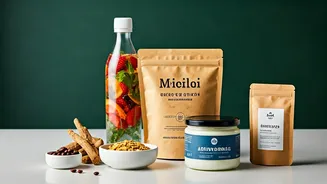
The front of the box is real estate for marketers. Words like 'fresh,' 'natural,' 'wholesome,' and 'artisan' are designed to evoke a feeling, not to provide a nutritional guarantee. The same goes for images of vibrant, farm-fresh vegetables. This is the 'health
halo' effect in action: a product’s positive marketing cues lead us to believe it’s healthier than it actually is. Food companies know that modern consumers are scanning for buzzwords. In the past, 'low-fat' or 'low-calorie' were the magic phrases. Today, it’s 'keto-friendly,' 'gluten-free,' and 'no artificial flavors.' While these can be important attributes for some people, they don’t automatically make a meal balanced or nutritious. A gluten-free meal can still be packed with sugar, sodium, and unhealthy fats to compensate for taste and texture.
Reality: The Real Story Is on the Back
The only way to know what you’re eating is to ignore the front and flip the box over. The Nutrition Facts panel and the ingredients list are where the truth lives. Don’t just glance at the calories. Look at the sodium content—many ready meals, even 'healthy' ones, can contain over half of your recommended daily intake. Check the serving size, which is sometimes deceptively small. Then, scan the ingredients. Are the first few items whole foods like chicken, broccoli, or quinoa? Or are they refined flours, sugars, and oils? A shorter, more recognizable ingredient list is generally a good sign, but it’s the overall nutritional profile that matters most. The industry is responding to consumer demand for transparency, but it's still your job to be the final inspector.
Myth: More Protein Always Means Better
Protein is the superstar nutrient of the moment, and meal companies have noticed. You’ll see callouts like '25g of Protein!' splashed across packages. It’s a smart marketing move, as protein helps with satiety and is essential for muscle health. This has led to a boom in meals centered around grilled chicken strips, beef, and protein-fortified pastas. The assumption is that if it's high in protein, it must be a good choice. But a high protein number doesn’t give the rest of the meal a free pass. Often, to make these high-protein meals palatable, companies load them up with creamy, high-fat sauces, refined carbohydrates like white rice or pasta, and, of course, a hefty dose of sodium to make it all sing. The protein might be great, but the nutritional baggage it comes with can negate the benefits.
Reality: Balance and Quality Are Key
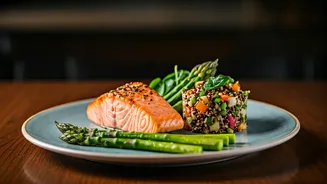
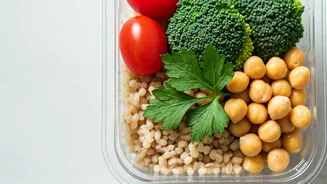
A truly healthy meal is about balance, not just hitting one macronutrient target. Instead of being dazzled by the protein count, look for meals that pair a reasonable portion of lean protein with a generous serving of vegetables and a source of fiber-rich complex carbohydrates, like brown rice, sweet potatoes, or whole-wheat pasta. These components work together to provide sustained energy and a wider range of vitamins and minerals. The quality of the protein matters, too. Grilled, baked, or steamed options are preferable to fried or heavily processed versions. Newer, direct-to-consumer services like Factor or Freshly often excel here, building their entire brand on this model of balanced, fresh-component meals, putting pressure on legacy brands like Lean Cuisine and Healthy Choice to adapt—which they slowly are.
Myth: All Convenient Meals Are Processed Junk
For decades, the frozen dinner was synonymous with preservatives, mystery meat, and a general sense of culinary despair. It was the food of last resort for the tired and single. That reputation was, for a long time, well-deserved. The image of a sad, compartmentalized tray with watery corn and a rubbery Salisbury steak is burned into our collective cultural memory. Because of this history, many people still write off the entire category as unhealthy, over-processed food that can’t possibly be part of a healthy diet. But holding onto this old idea means you might be missing out on the genuine revolution happening in the freezer aisle.
Reality: A New Generation of Meals Is Genuinely Better
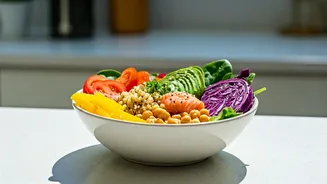
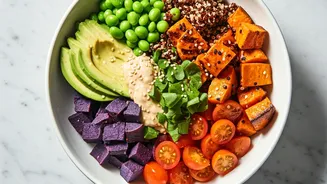
The ready-to-eat market has been forced to evolve. Brands like Amy’s Kitchen pioneered the idea of organic, vegetarian frozen meals that actually tasted good. Today, you can find options that are flash-frozen at peak freshness, preserving nutrients far better than the canned goods of yesteryear. You can find meals with vibrant, whole ingredients and complex, global flavors. There are bowls filled with whole grains, roasted vegetables, and flavorful sauces that are a far cry from the beige blobs of the past. The industry is actively working to lower sodium, remove artificial ingredients, and cater to sophisticated palates. While plenty of unhealthy options still exist, the 'good' options are no longer the exception; they are a rapidly growing rule.