


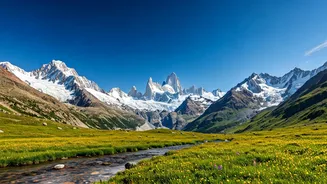
Beyond the Postcard-Perfect Vacation
For decades, the ideal American vacation was a postcard cliché: sun-drenched beaches, turquoise water, and not a cloud in the sky. But for a growing number of younger travelers, particularly Millennials and Gen Z, that picture-perfect ideal is losing
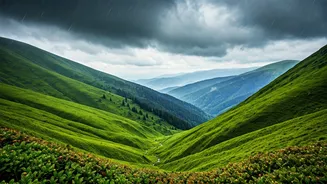
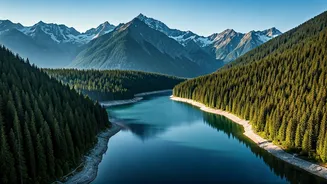
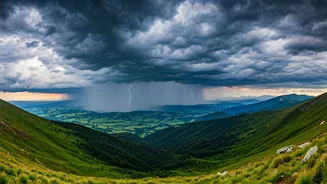
its luster. Instead, they're embracing 'green, rainy routes'—journeys to lush, temperate, and often overcast destinations like the Pacific Northwest, the British Isles, Scandinavia, and New Zealand’s fjordlands. This isn’t about a masochistic love for bad weather. It's a deliberate shift toward destinations that offer atmosphere, authenticity, and a deeper connection with nature. The appeal isn't the rain itself, but what it brings: vibrant green landscapes, fewer crowds, and a moody, contemplative ambiance that feels a world away from the hectic energy of a sun-soaked tourist trap.
The Climate Change Connection
One of the most powerful, and practical, drivers of this trend is the climate itself. As summer temperatures soar to unbearable, record-breaking highs across Europe and the southern U.S., the idea of a 'hot' vacation has become less appealing. Enter the 'cool-cation.' Younger travelers, who are acutely aware of the climate crisis, are making pragmatic choices. They're seeking refuge from extreme heat, wildfires, and the environmental stress of water-scarce resort towns. A trip to Oregon's coast, the Scottish Highlands, or even a shoulder-season visit to Vermont offers a literal breath of fresh air. It’s a travel choice that aligns with a desire for comfort and sustainability, recognizing that the planet's 'perfect weather' zones are shrinking and shifting. This isn’t just about avoiding a sunburn; it's about avoiding a climate catastrophe while on holiday.
A Vibe, Not Just a Vacation
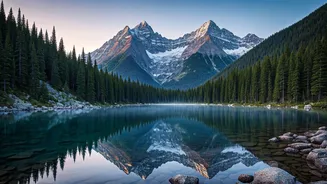
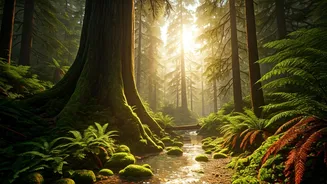
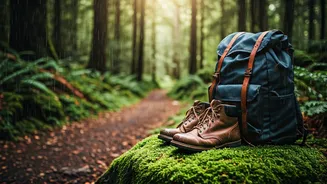
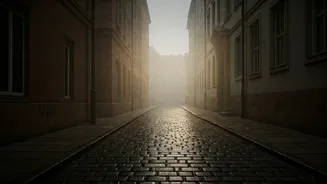
This movement is as much about aesthetics as it is about climate. In the age of TikTok and Instagram, the visual language of travel has evolved. The bright, over-saturated beach photo feels increasingly generic. In its place has risen a desire for a more cinematic, atmospheric mood. Think of the 'Pacific Northwest Gothic' or 'dark academia' aesthetics: misty forests, cozy cabins with fireplaces, rain-streaked windows, and a feeling of introspective solitude. These 'green, rainy routes' provide the perfect backdrop. They cater to a desire to be the 'main character' in a story that feels more profound than a simple party trip. The content created from these trips—a moody shot of a foggy lake, a video of a hike under a canopy of dripping ferns—feels more personal, unique, and emotionally resonant than another photo of a piña colada by the pool.
In Search of Realness
At its core, the pull of rainy destinations is a rejection of over-tourism and the curated, often hollow, experiences that come with it. Fighting for a spot on a crowded beach in Santorini or navigating the congested streets of Rome in July has become a symbol of travel-related anxiety. A quiet, drizzly hike in Washington's Olympic National Park or a drive along Ireland's Wild Atlantic Way in the off-season offers the opposite: space, silence, and a sense of discovery. This type of travel prioritizes experience over spectacle. It's less about ticking off a bucket list of sights and more about immersing oneself in a place and its natural rhythms. It represents a search for a more mindful way to see the world, one that values the quiet beauty of an imperfect day and finds richness in the clouds.