








The Rise of the ‘Restock’
On platforms like TikTok, a wholesome phenomenon is unfolding. It’s known as the “fridge restock” or “pantry restock” challenge. The premise is simple but powerful: young adults, mostly from Gen Z, surprise their parents or loved ones by completely overhauling
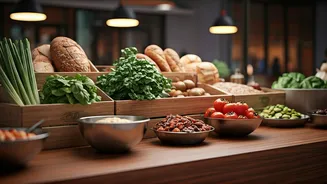
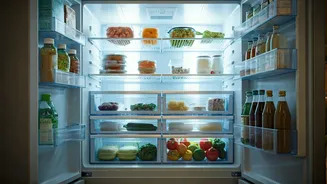
their kitchen storage. A typical video starts with a “before” shot: a cluttered refrigerator with half-empty condiment jars, wilting vegetables, and a general sense of benign neglect. Then comes the satisfying montage. The creator empties everything, deep-cleans the shelves and drawers until they sparkle, and heads out for a massive grocery haul. The final act is the restock itself—a meticulously organized ballet of transferring items into clear, matching containers, arranging drinks by color, and filling every inch of space with fresh, abundant food. The video often ends with the parent’s surprised and emotional reaction, a mix of gratitude and awe.
An Act of Service, Not a Stunt
What makes this trend so “inspiring,” as the headline suggests, is its fundamental purpose. Unlike earlier internet challenges that often prioritized pranks, chaos, or personal endurance, the restock challenge is an act of service. It’s a tangible way for a younger generation to show appreciation and give back to the people who raised them. In many households, the mental and physical labor of grocery shopping, meal planning, and keeping a kitchen stocked falls disproportionately on parents, particularly mothers. For their child to not only recognize that labor but to take it on themselves—and do it with such theatrical flourish—is a profound gesture. It reframes domestic work not as a chore to be avoided, but as a gift to be given. Viewers aren't just watching a fridge get cleaned; they're watching someone say “I see all you’ve done for me, and now let me take care of you.”
The Soothing Aesthetic of Care
Of course, this is still social media, and aesthetics matter. The success of these videos hinges on their deeply satisfying visuals and sounds. There’s an ASMR-like quality to the crisp snap of a container lid, the glug of juice being poured into a sleek glass pitcher, and the neat rows of perfectly aligned snack packs. It taps into the same organizational joy that fueled the popularity of shows like “The Home Edit.” But here, the pristine organization isn't just for its own sake. It’s organization with a purpose. The aesthetic isn’t just about looking good; it’s about creating a system of ease and abundance for a loved one. The perfectly decanted olive oil and the pre-washed, pre-chopped vegetables in glass containers aren't just for show—they make the act of cooking easier for the recipient throughout the week.
What It Says About Gen Z
This trend offers a fascinating glimpse into the values of a generation often stereotyped as being terminally online and detached. The restock challenge suggests a deep appreciation for the practical and the tangible. In an uncertain economy, the symbolism of a full, organized pantry is incredibly powerful. It represents stability, security, and nourishment. By creating this abundance for their parents, Gen Z creators are, in a way, flexing their own competence and ability to provide. It’s a reversal of the traditional parent-child dynamic that feels both mature and loving. It demonstrates a generation that values family, understands the importance of practical help over empty gestures, and has found a way to turn an algorithm-driven platform into a vehicle for genuine human connection and kindness.