
The Slow Fade of High Shine
Remember the era of ultra-glossy kitchen cabinets, lacquered furniture, and polished marble everything? It wasn’t long ago that a high-shine finish was synonymous with modern luxury. It was clean, sharp, and conveyed a sense of pristine, untouchable elegance.
This aesthetic was born from a specific strain of minimalism that prized flawless surfaces and crisp lines. It looked fantastic in a showroom and photographed beautifully, projecting an image of order and control. But living in a showroom isn't the same as living in a home. That slick, reflective world, while visually striking, can feel cold and impersonal. A stray fingerprint on a glossy countertop can feel like a major infraction. Over time, many have found that the pursuit of sterile perfection can be exhausting, creating spaces that feel more like galleries than sanctuaries.
Why We're Craving Tactile Comfort
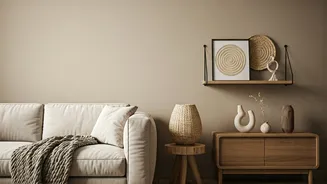
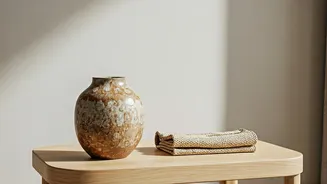
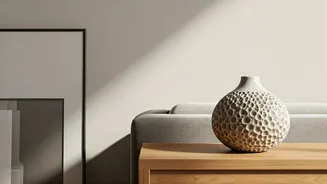
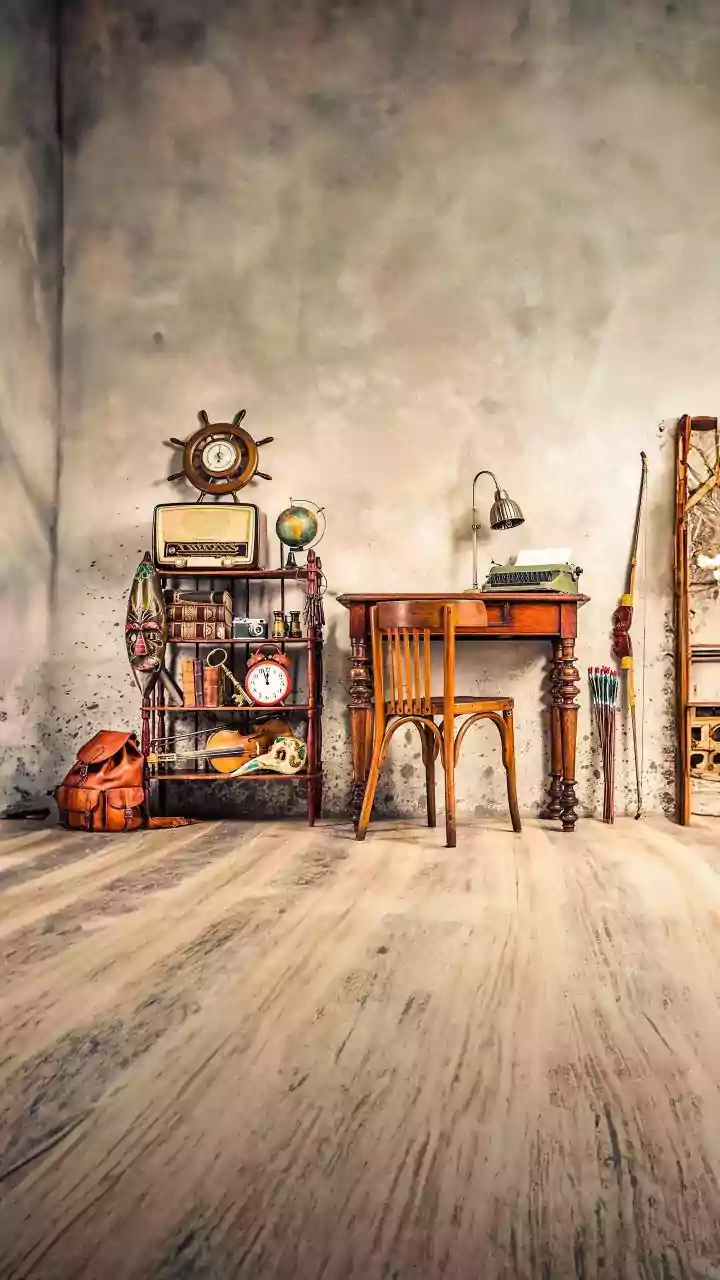
The pivot toward natural textures isn't just a fleeting trend; it’s a response to a deeper cultural shift. In a world saturated with digital screens and synthetic materials, we’re developing a profound craving for the real, the tangible, and the perfectly imperfect. This is where materials like unpolished wood, nubby bouclé, and chalky limewash come in. They engage our sense of touch, grounding us in our physical environment. This movement is deeply connected to the rise of wellness and biophilia—the concept that humans have an innate need to connect with nature. Surrounding ourselves with materials that evoke the natural world can lower stress and increase feelings of calm and well-being. A home filled with varied textures feels layered, lived-in, and authentic. It tells a story of comfort and embraces the idea that a home should be a haven, not a museum piece. The slight imperfections in a travertine table or the organic variations in a plaster wall are no longer seen as flaws, but as marks of character.
The New Material Superstars
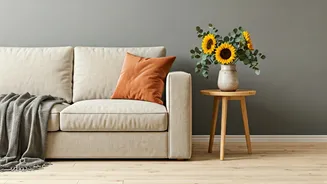
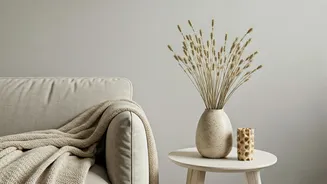
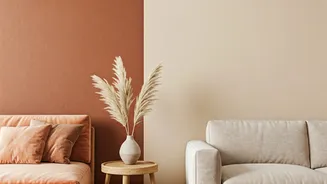
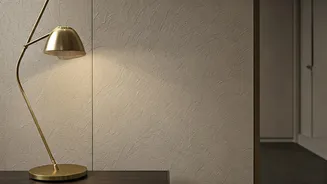
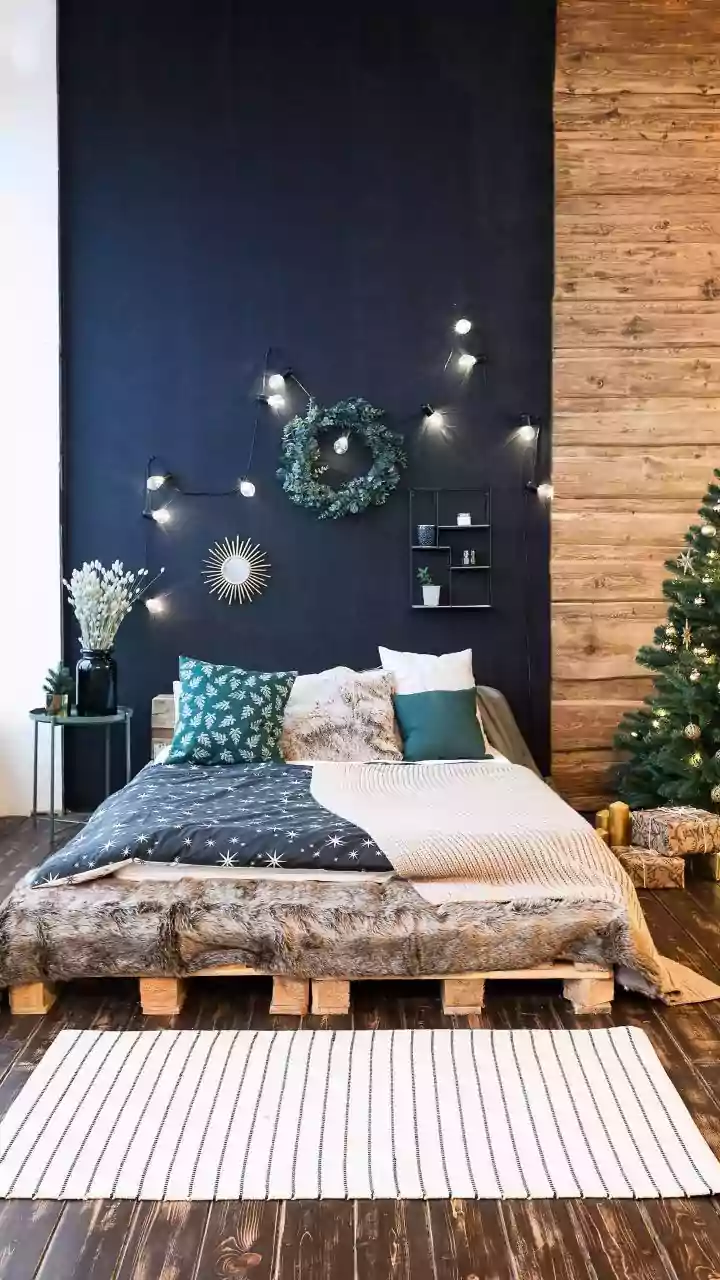
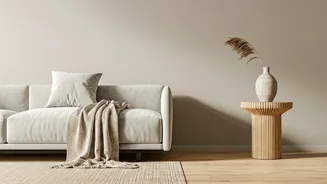
So, what does this textural takeover look like in practice? It’s about embracing materials that ask to be touched. On the walls, traditional paint is being usurped by limewash, Roman clay, and other plaster-based finishes that provide a soft, velvety depth and a subtle, cloud-like movement. These finishes absorb light rather than reflecting it, creating an immediate sense of warmth. For furniture, bouclé fabric continues its reign, covering everything from curvy sofas to statement armchairs with its cozy, teddy-bear-like feel. It’s being joined by slubby linens, rich velvets, and chunky knits. In casegoods and surfaces, the shift is dramatic. Polished granite and quartz are making way for honed (matte) marble, rugged travertine, and raw or reclaimed woods that show off their grain and history. Even metals are getting a matte makeover, with brushed brass and matte black fixtures becoming the new standard for a sophisticated, understated look.
It’s About Balance, Not Banishment
This doesn't mean you need to purge every last bit of shine from your home. In fact, the most compelling interiors right now are masters of balance. The key isn't the total elimination of gloss, but the thoughtful use of it as an accent. A single lacquered tray on a rough-hewn wooden coffee table creates a beautiful tension. A polished chrome lamp arching over a linen sofa provides a necessary point of contrast. Think of it like a finishing touch—a little bit of jewelry for the room. The new rule is that texture provides the foundation. It’s the canvas that makes the space feel inviting and comfortable. A touch of shine, used sparingly, can then add a dash of glamour and sophistication, preventing the overall look from becoming too rustic or flat. The goal is to create a dynamic, multi-sensory experience where different finishes play off one another.