



An Ancient Philosophy on a Modern Plate
At its heart, temple cuisine is about more than just food; it's a spiritual practice. Developed over centuries in Buddhist monasteries across Asia—from Japan's serene shojin ryori to Korea's vibrant sachal eumsik and India's Sattvic traditions—this culinary
philosophy is rooted in mindfulness, balance, and a deep respect for nature. Traditionally, it’s plant-based and emphasizes using seasonal ingredients from top to tail to minimize waste. A core tenet in many of these traditions is the avoidance of the "five pungent spices" (onions, garlic, chives, leeks, and scallions), which are believed to overly stimulate the palate and mind, hindering meditation. Instead of these flavor crutches, temple cooks masterfully build complexity through time-honored techniques: patient fermentation, delicate infusions, and the artful layering of natural umami from mushrooms, seaweed, and soybeans.
The New Spice Route
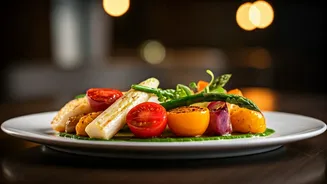
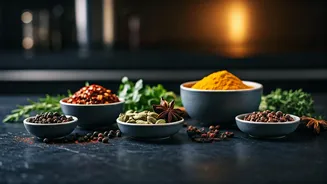
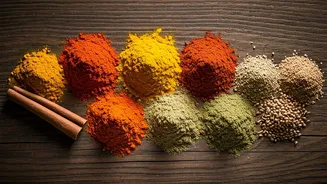
So, where do the "bold spices" come in? Today’s forward-thinking chefs are not simply replicating ancient recipes. Instead, they are adopting the ethos of the temple kitchen—its resourcefulness, its plant-centric focus, and its subtle techniques—and using it as a foundation for something entirely new. They are asking: what happens if we apply these mindful principles to a global pantry? The result is a thrilling fusion. You might find a dish of slow-roasted carrots, prepared with the no-waste philosophy of using the tops for a pesto, but seasoned not with traditional soy and sesame but with smoky Spanish pimentón and a bright hit of sumac. Or imagine a delicate, silken tofu, made in-house using monastic methods, served in a broth infused with star anise, fiery Sichuan peppercorns, and fragrant makrut lime leaf—flavors rarely found within temple walls.
Flavor Without the Noise
This movement isn't just a gimmick; it’s a response to a deeper cultural craving. Diners are increasingly seeking meals that are not only delicious but also nourishing and mentally grounding. After years of maximalist food trends—bacon on everything, gravity-defying milkshakes, and endless hot honey—this approach offers a sophisticated alternative. It proves that intensity of flavor doesn't have to come from an avalanche of fat, salt, and aggressive alliums. By building flavor from fermented pastes, concentrated vegetable stocks, and a curated selection of global spices, chefs are creating dishes that are profoundly satisfying and complex, yet feel clean and light. It’s a way to experience powerful flavor without the accompanying sensory "noise," allowing the true character of the ingredients to shine through.
A Search for Deeper Meaning
Ultimately, this trend taps into a broader quest for authenticity and intention in how we eat. In a fast-paced world, the idea of food prepared with patience and purpose is incredibly appealing. It connects the diner to a long history of culinary wisdom while still feeling fresh and exciting. These menus aren't just for vegetarians or the spiritually inclined; they are for anyone who believes a meal can be more than just fuel. They offer a moment of delicious contemplation, proving that the most exciting innovations in food sometimes come from looking back. By marrying the discipline of the temple with the adventurousness of a modern spice rack, these chefs are crafting a compelling new narrative—one where food comforts the body and quiets the mind, all in the same revelatory bite.