







The New Financial Freedom
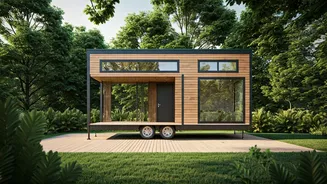
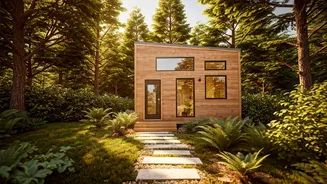
Let’s start with the most compelling argument for many: money. The median price of a home in the U.S. has pushed the dream of ownership out of reach for millions. A tiny house, typically under 500 square feet, offers a radical alternative. While a custom
build can still cost tens of thousands, it pales in comparison to a traditional mortgage that can shadow a family for 30 years. But the savings don’t stop at the purchase price. Smaller spaces mean dramatically lower utility bills, less property tax, and fewer maintenance costs. There’s no sprawling lawn to mow or empty guest room to heat. This financial relief isn't just about saving money; it’s about buying back time and autonomy. Proponents report being able to pay off debts, travel more, switch to more meaningful careers, or even retire earlier—freed from the financial anchor of a large, costly house.
A Lighter Environmental Footprint
Beyond the personal budget, small living speaks to a collective concern for the planet. A larger home requires more resources to build, more energy to heat and cool, and more space to fill with consumer goods. The small-house movement is an inherent counterpoint to that cycle. By their very nature, these homes have a smaller carbon footprint. Many are built with reclaimed or sustainable materials, and their compact size makes them ideal candidates for off-grid solutions like solar panels and composting toilets. Living small forces a conscious reduction in consumption. You simply don't have room for impulse buys or a wardrobe you never wear. This minimalist mindset reduces waste and encourages a lifestyle centered on needs rather than wants, aligning with a growing desire for more sustainable living.
The Rise of Intentional Living
Perhaps the most profound shift for small-home dwellers is psychological. When you have less space to maintain, clean, and organize, you gain more time and mental energy for other pursuits. Life becomes less about managing possessions and more about cultivating experiences. The process of downsizing itself is a powerful act of curation, forcing you to decide what truly adds value to your life. Every object that makes the cut has a purpose or brings joy. This philosophy, often called “intentional living,” is a direct rejection of the “bigger is better” mantra. It prioritizes relationships, hobbies, and personal growth over square footage. For many, the result is a less stressful, more focused existence where the home serves the inhabitant, not the other way around.
The Reality Check and Zoning Hurdles
Of course, shrinking your life isn't without its challenges. The romance of a tiny cabin in the woods often crashes against the reality of municipal zoning laws. Many cities and counties have minimum square-footage requirements for permanent dwellings, making it difficult to find a legal place to park or build a tiny home. Financing can also be tricky, as traditional mortgage lenders are often unequipped to handle such unconventional properties. And then there’s the social adjustment. Living in close quarters with a partner or family requires excellent communication and a shared commitment to the lifestyle. Small-home living isn’t a magical cure for all of life’s problems, but rather a deliberate trade-off: sacrificing space to gain freedom in other areas.