


The New Neutral: Defining the Look
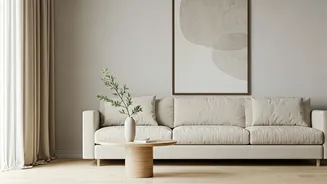
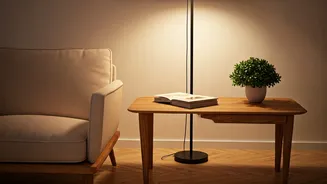
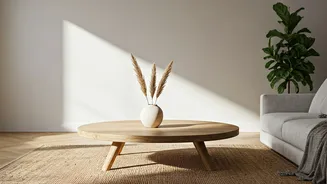
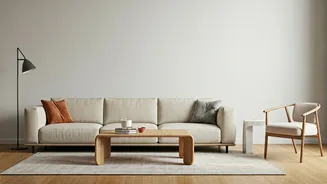
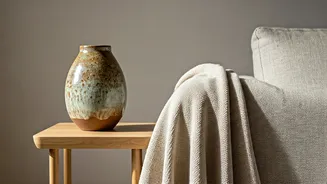
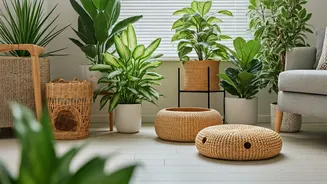
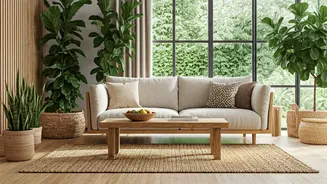
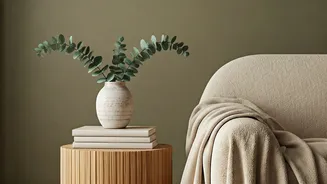
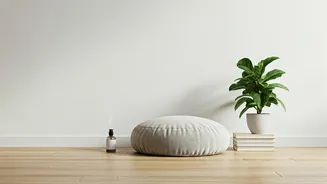
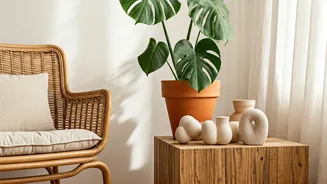
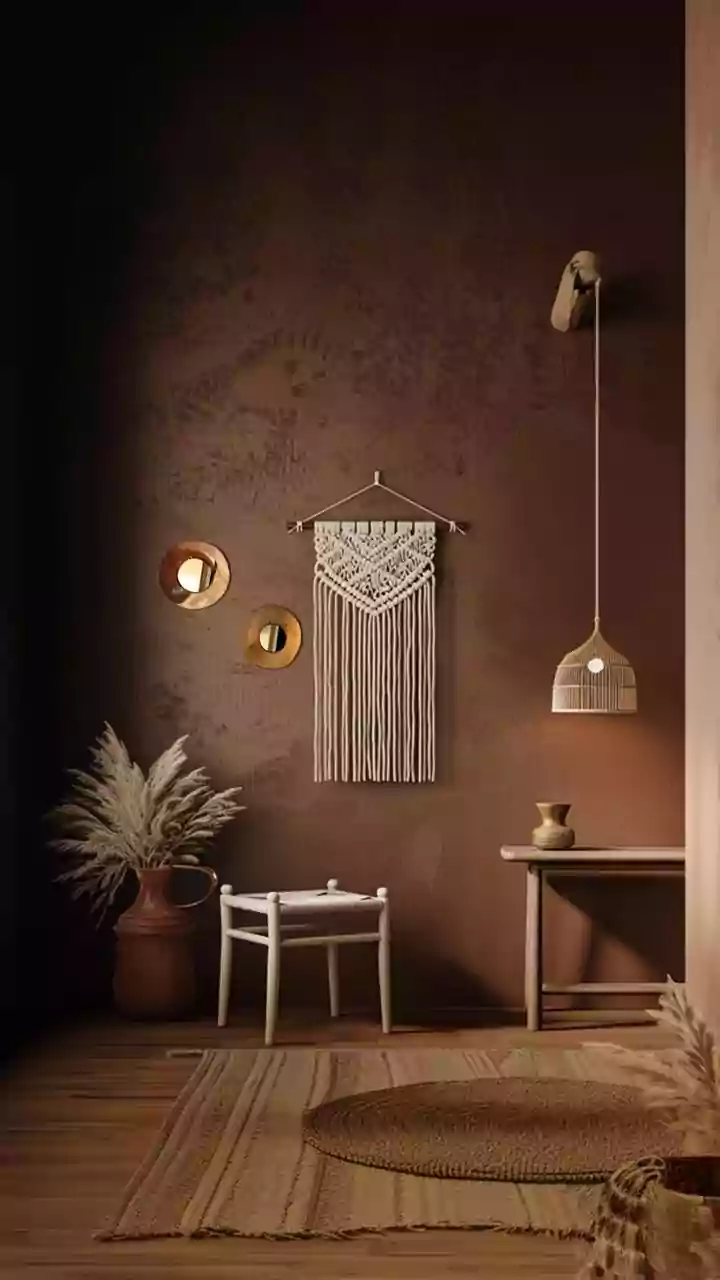
Forget the stark minimalism of the 2010s or the saturated jewel tones of years past. Today’s aspirational urban dwelling is a study in organic texture. The key elements are unmistakable: jute rugs underfoot, rattan furniture adding warmth, and linen curtains
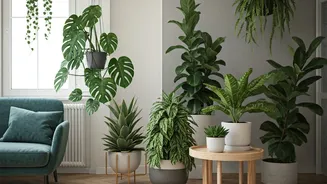
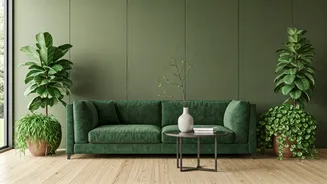
diffusing sunlight. Shelves are filled not with knick-knacks but with thriving snake plants, fiddle-leaf figs, and cascading pothos. The color palette is muted, drawing from the earth itself—sand, terracotta, stone, and every shade of green. It’s a look that feels intentionally imperfect, favoring the raw edge of unvarnished wood over a glossy finish, the subtle wrinkle of a cotton throw over stiff formality. This aesthetic isn't about wealth in the traditional sense; it’s about curating a space that feels calm, grounded, and alive.
Biophilia: A Primal Need in a Concrete World
So, why this collective turn toward the natural? The answer lies in a concept called biophilia—humanity’s innate, genetically determined urge to connect with nature. For millions of Americans living in dense urban environments, daily access to sprawling green space is a luxury. The modern apartment, therefore, becomes the site of a simulated natural world. Each houseplant is a tiny patch of forest; each piece of wooden furniture, a link to the outdoors. This isn’t just decorative. Studies have shown that interacting with natural elements, even indoors, can reduce stress, improve concentration, and boost overall well-being. In an age of endless screen time and digital notifications, filling our homes with living, breathing things is a powerful act of self-care. It’s a way of building a personal sanctuary that soothes the nervous system and provides a tangible escape from the pressures of modern life.
Signaling Values, Not Just Style
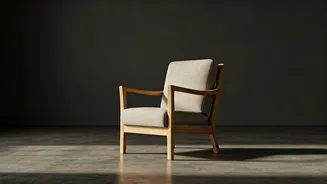
This is where home decor transcends aesthetics and becomes a signal. In a world grappling with climate change and overconsumption, choosing natural, sustainable, or handmade items is a way to broadcast a specific set of values. A vintage wicker chair isn’t just a place to sit; it’s a nod to sustainability and a rejection of fast furniture. An investment in a collection of houseplants says something about your capacity for nurturing and patience. The choice to embrace a neutral, calming palette can be read as a conscious effort to cultivate mindfulness and reject sensory overload. These homes are designed to communicate—both to the owner and to any guests, virtual or real—that this is a space dedicated to wellness, intentionality, and a connection to something more “authentic” than the artificiality of the digital and commercial worlds.
The Commodification of Calm
Of course, where a powerful cultural desire emerges, commerce is quick to follow. The wellness-at-home trend has become a multi-billion dollar industry. Big-box stores now feature entire aisles dedicated to “boho” or “natural” decor, offering mass-produced versions of what began as a niche, artisan-focused movement. Online plant delivery services have exploded in popularity, turning the act of cultivating a home jungle into a seamless e-commerce experience. While this makes the aesthetic more accessible, it also introduces a paradox: the search for authenticity is now easily packaged and sold. The very act of rejecting consumerism can lead to a different kind of consumption, where the goal is to buy the right objects to project an effortless, natural state of being. The signal, once subtle, is now being broadcast on a commercial frequency.