
Beyond the Lunch Buffet
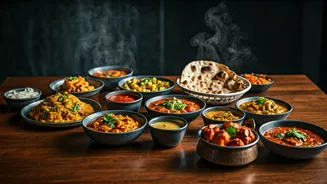
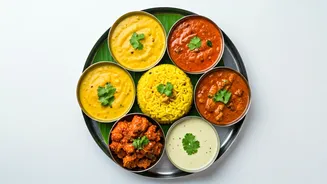
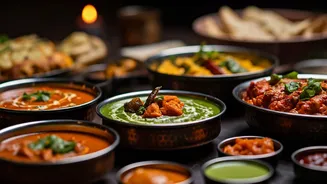
Let’s be honest: for many Americans, the introduction to Indian food came via a steam-table lunch buffet. It was a glorious, all-you-can-eat landscape of saag paneer, chicken tikka masala, and various curries simmering in rich, often heavy, sauces. It was delicious,
dependable, and deeply comforting. This version of Indian food, largely based on North Indian and Punjabi cuisine, became the default in the U.S. for generations. These restaurants served a crucial purpose. They were often run by first-generation immigrants who adapted complex regional recipes for an American palate that was still getting acquainted with cumin, coriander, and cardamom. They created a shared culinary language, making Indian food accessible and beloved. But in simplifying for a broad audience, a certain amount of nuance and regional diversity was inevitably lost. The food was comforting, but it was also often homogenous, presenting a monolithic idea of a cuisine that is, in reality, as diverse as the subcontinent itself.
The Second-Generation Remix
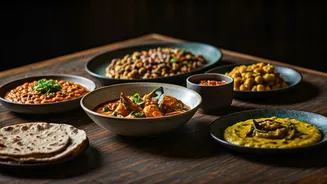
The “clever era” is being driven by a new cohort: second-generation Indian-American chefs and food entrepreneurs. Having grown up between two cultures, they possess a unique perspective. They have a deep, personal connection to the home-cooked meals of their parents—the unglamorous but soul-satisfying dishes like khichdi (a simple rice and lentil porridge) or poha (flattened rice)—but many also have formal training in Western culinary techniques from kitchens in New York, Paris, or San Francisco. This new generation isn’t interested in simply replicating the food of their parents or the standardized menu of the past. Instead, they are approaching their heritage with curiosity, confidence, and a touch of irreverence. They’re asking questions: What if we used seasonal, local American produce? What if we deconstructed a classic dish and put it back together in a surprising way? The goal isn’t to “elevate” Indian food, a term many chefs reject as condescending, but to present it with the same thoughtfulness, creativity, and ingredient-sourcing that is afforded to Italian or French cuisine.
What “Clever” Tastes Like
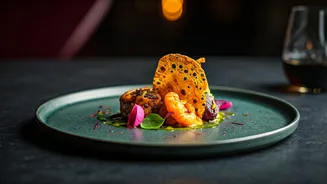
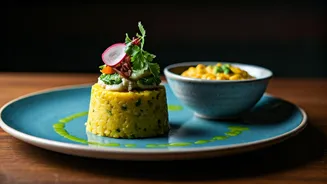
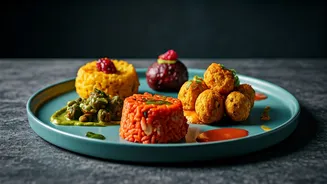
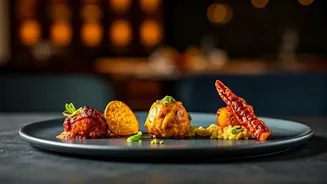
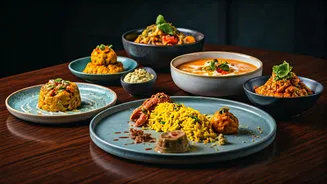
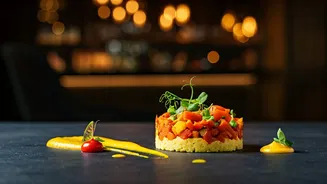
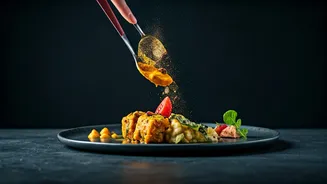
So what does this new approach look like on the plate? It’s about specificity and playfulness. Instead of a generic “curry,” you’ll find chefs like Chintan Pandya at New York’s Dhamaka exploring esoteric dishes from rural India, serving things like goat neck biryani and gurda kapoora (goat kidneys and testicles). It’s about a focus on hyper-regionality, shining a light on the coastal flavors of Goa, the vegetarian feasts of Gujarat, or the unique spice blends of Bengal. This era is also marked by clever formats and ingredient swaps. Think of a classic vada pav (a spiced potato fritter in a bun) presented as a slider, or a dosa filled with unconventional, seasonal ingredients. It’s the use of high-end techniques to achieve the perfect texture in a dal without relying on cups of heavy cream. For instance, a restaurant might serve a khichdi, the ultimate sick-day food, but make it with forbidden black rice and top it with a perfectly crispy piece of seasonal fish. The soul of the dish is preserved, but the execution is sharper, more focused, and often lighter, allowing the core flavors to shine through.
A New Kind of Authenticity
Perhaps the most significant shift is in the definition of authenticity. For years, “authentic” Indian food was seen as something static and unchanging. But these new chefs are arguing that authenticity is not a fixed point in the past. It’s a living, breathing thing that reflects their own unique experiences as Indian-Americans. Their food tells a story—not just of India, but of their life in America. It’s a culinary dialogue between the recipes of their grandmothers and the techniques of their culinary school instructors. This clever new era isn't about abandoning tradition. It’s about honoring it by refusing to let it be frozen in time. It’s about having the confidence to innovate, creating a new chapter in the story of Indian food that is dynamic, personal, and unapologetically delicious.