
Think Vertically, Not Just Horizontally
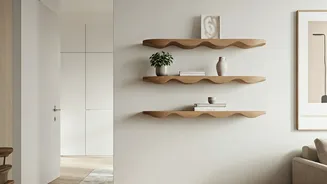
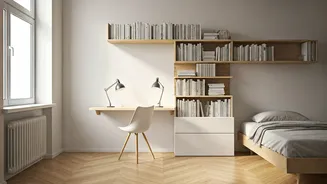
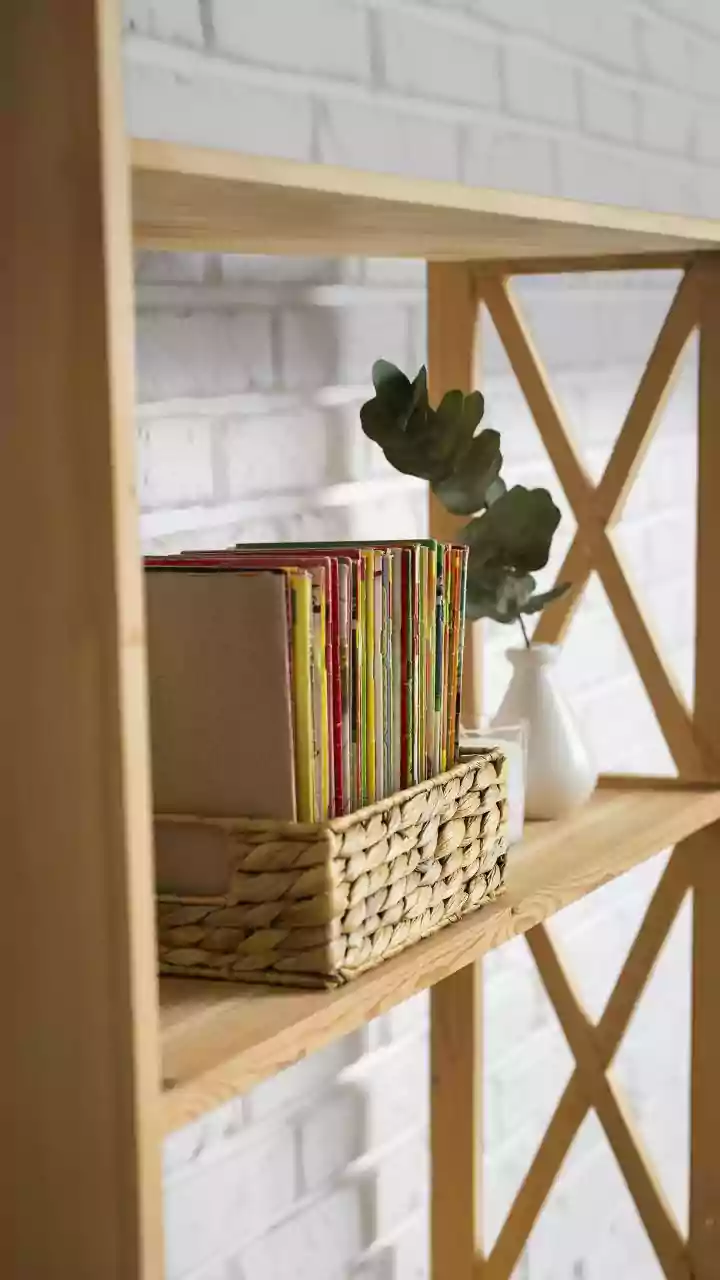
When floor space is at a premium, the only way to go is up. Most people forget about the vast, unused real estate on their walls. Instead of another bulky bookcase that eats up your floor plan, opt for tall, slender shelving units or floating shelves.
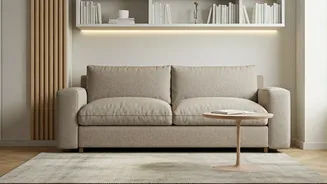
These draw the eye upward, creating an illusion of height and spaciousness. Use them to display curated decor, store books, or organize essentials in attractive bins. Look for wall-mounted grids in the kitchen for hanging utensils and pans, or install a high shelf running along the perimeter of a bedroom just below the ceiling—it’s the perfect, out-of-the-way spot for items you don't need daily, like spare linens or out-of-season clothing.
Embrace Multi-Functional Furniture
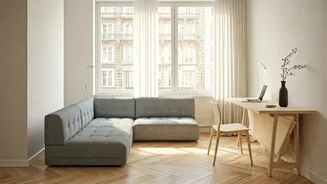
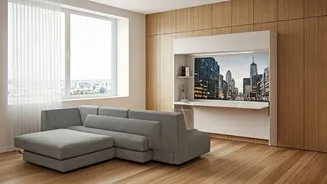
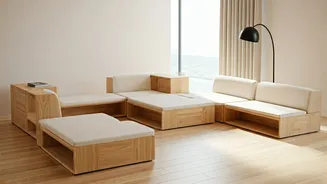
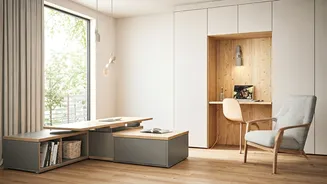
In a small home, every piece of furniture should work for its keep. Single-use items are a luxury you can't afford. Seek out furniture that serves at least two purposes. Think of a storage ottoman that hides blankets and serves as extra seating, a coffee table with a top that lifts to become a work desk, or a bed frame with built-in drawers underneath. A drop-leaf dining table can sit snugly against a wall for two people and expand to host friends. This approach doesn’t just save space; it builds functionality and adaptability directly into your home, allowing a room to transform based on your needs at any given moment.
Master the Art of 'Zoning'
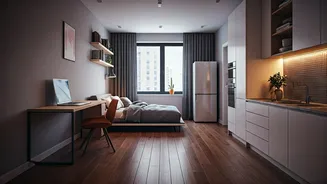
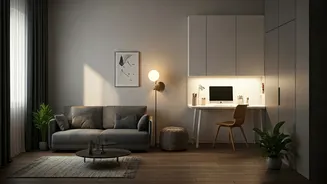
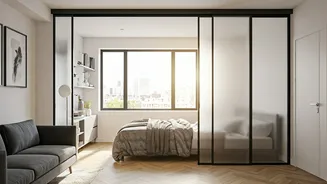
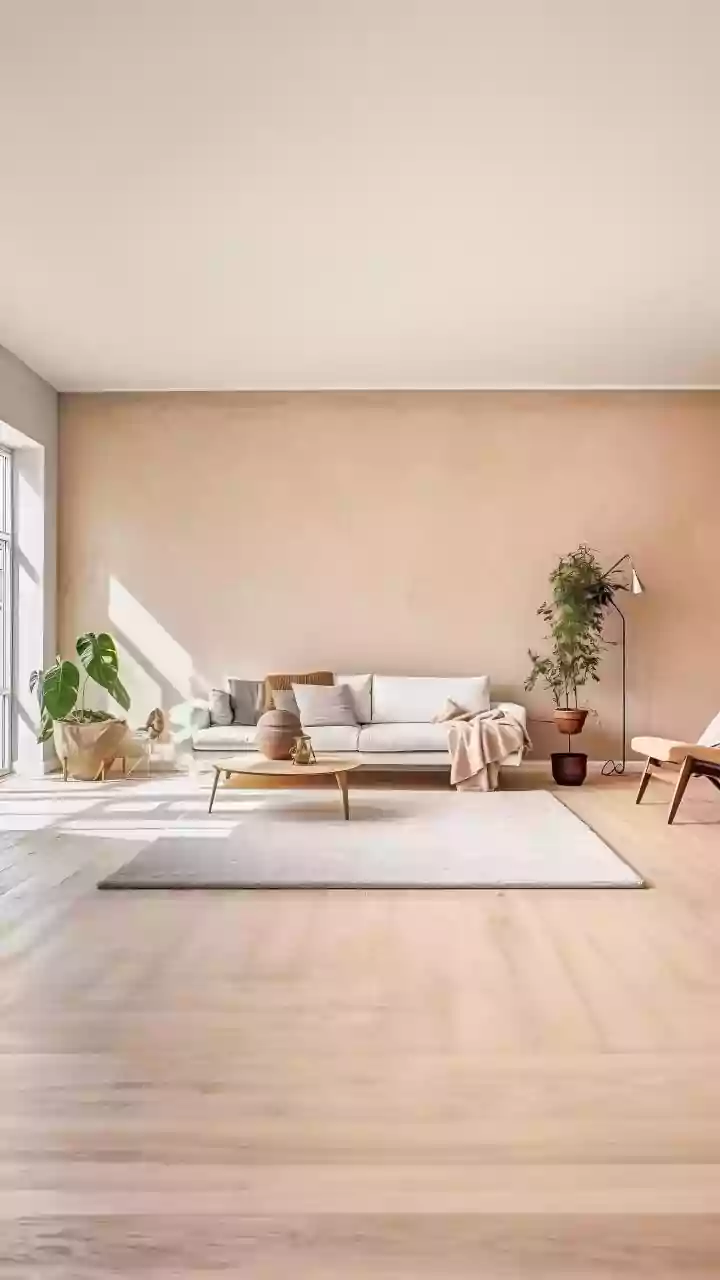
Open-concept studios and small apartments can feel like one chaotic room where living, sleeping, and working bleed into each other. The solution is to create distinct 'zones' without building walls. A strategically placed area rug can visually anchor a living room area, separating it from your dining space. A tall, open-backed bookshelf can act as a permeable divider, creating a cozy nook for a desk while still allowing light to pass through. Even a change in wall color or the strategic placement of a floor lamp can signal a shift from one functional area to another. Zoning brings order and intention to your layout, making the entire space feel more organized and purposeful.
Utilize 'Dead' Space Creatively
Your home is filled with forgotten pockets of space just waiting to be used. The inside of your cabinet doors can be fitted with slim racks for spices, cleaning supplies, or pot lids. The narrow gap between your refrigerator and the wall is the perfect home for a slim, rolling pantry cart to hold canned goods and oils. The space above your doors is ideal for a single shelf to store rarely used items. Don't forget about the back of your closet doors, which can hold organizers for shoes, accessories, or toiletries. Identifying and activating these overlooked spots is the secret to unlocking a surprising amount of storage.
Implement a 'One In, One Out' Rule
Decluttering isn't a one-time event; it's an ongoing practice. The most effective way to prevent your home from slowly filling back up with clutter is to adopt the 'one in, one out' philosophy. It’s simple: every time you bring a new item into your home—be it a shirt, a book, or a coffee mug—an old item in the same category must leave. This forces you to be more mindful about your purchases and prevents the slow accumulation that leads to chaos. It turns maintaining order from a massive, periodic chore into a simple, integrated daily habit.
Go Digital and Ditch the Paper
Stacks of mail, old magazines, bills, and miscellaneous papers are a primary source of visual clutter. Make a concerted effort to reduce the flow of paper into your home. Switch to paperless billing for all your utilities and credit cards. Use a phone app like CamScanner or the notes app on your phone to digitize important documents, receipts, and kids' artwork before recycling the physical copies. Unsubscribe from junk mail catalogues and flyers. For the paper that still gets through, create a single, designated 'action' tray. Go through it once a week, dealing with each item immediately instead of letting it pile up on the kitchen counter.