

From Ski Slopes to Summer Meadows
For most of the year, Auli is spoken of in hushed, reverent tones by Indian winter sports enthusiasts. Nestled in the Chamoli district of Uttarakhand, this Himalayan destination boasts some of the best skiing in the country. But when the snow melts and the ski lifts
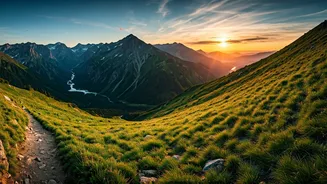
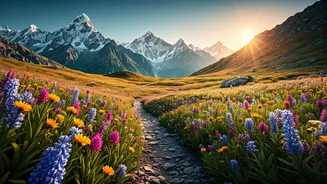
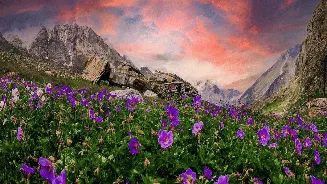
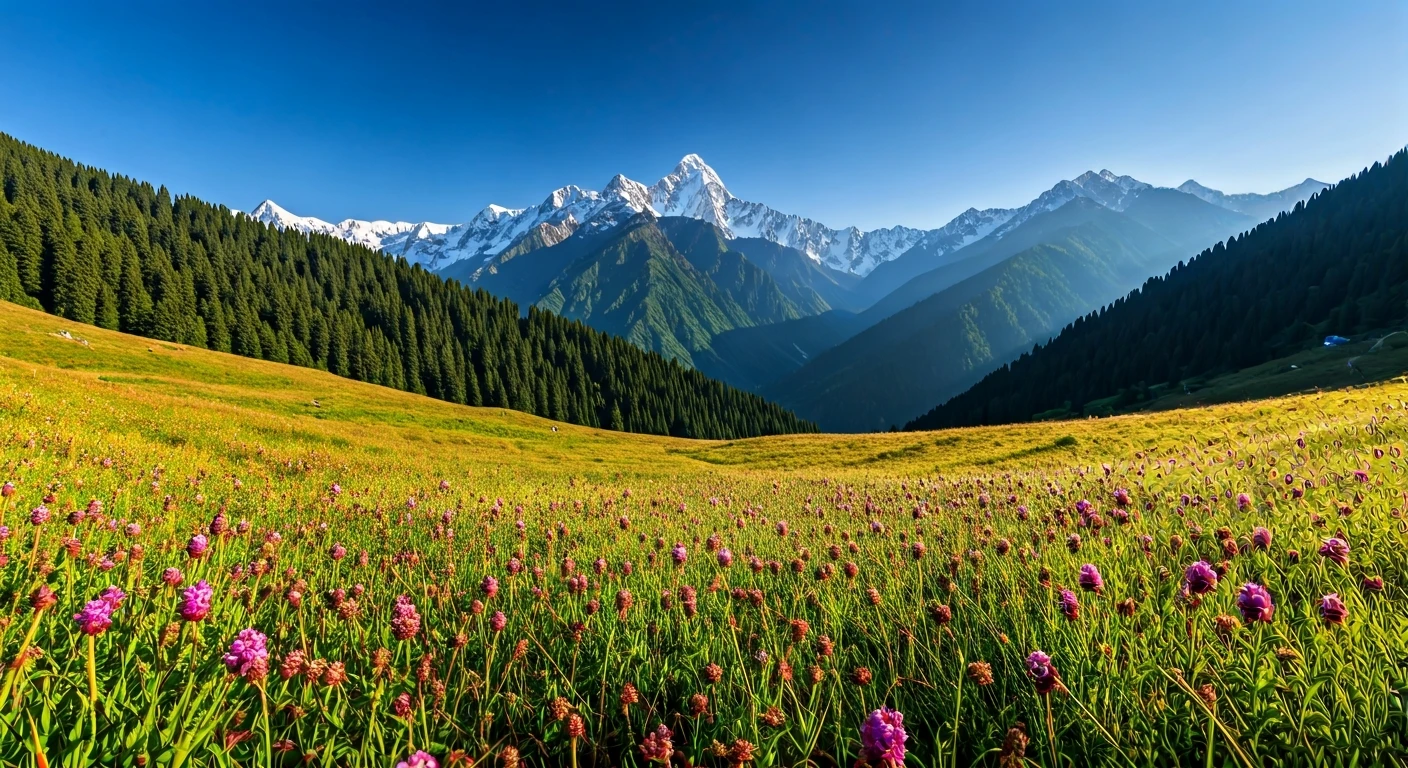
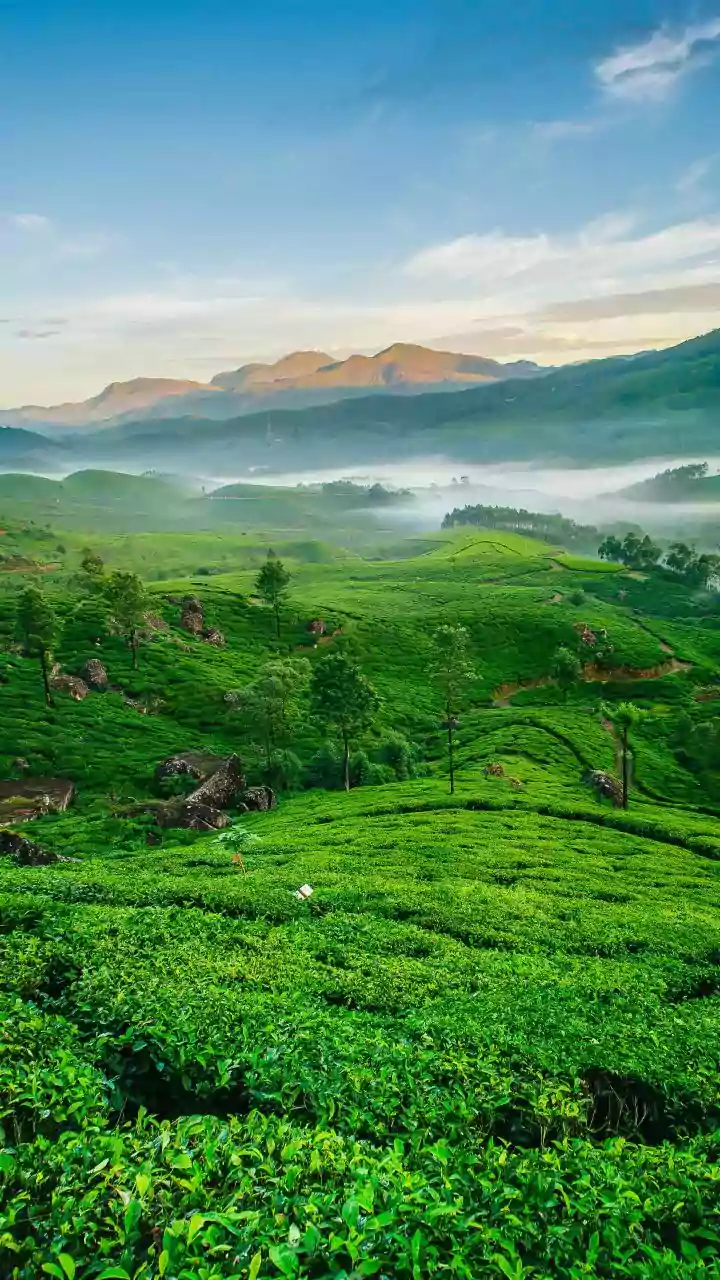
quiet down in late spring, Auli undergoes a stunning transformation. The white slopes give way to a rolling carpet of vibrant green grass, dotted with wildflowers. This is the Auli of June—a tranquil haven that most travelers, fixated on its winter reputation, completely overlook. While other Himalayan hotspots like Shimla and Manali are teeming with summer vacation crowds, Auli offers a profound sense of peace. The air is crisp, the sky is a brilliant blue, and the only sounds are the rustling of pine trees and the distant clanging of cowbells. This isn't an off-season; it's a secret season.
The Himalayan Views You've Dreamed Of
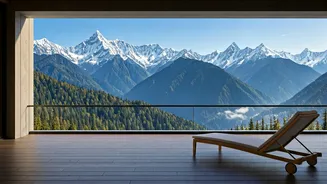
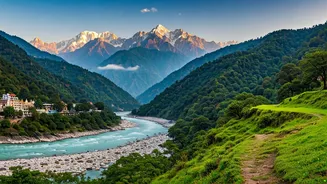
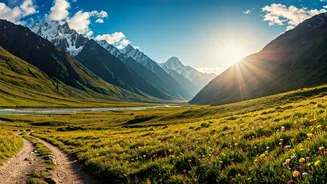
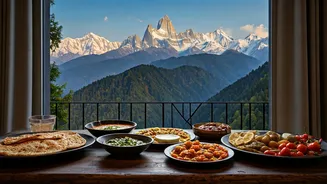
The primary reward for making the journey to Auli is the scenery. We're not talking about pleasant foothills; we're talking about a front-row seat to some of the most majestic peaks on Earth. Auli offers staggering, 270-degree panoramic views of the Nanda Devi range, a ring of snow-capped giants that includes Nanda Devi itself—the second-highest mountain in India. On a clear June morning, watching the sunrise paint these colossal peaks in shades of pink and gold is a deeply spiritual experience. The vast, high-altitude meadows, known locally as *bugyals*, are the main attraction. Auli Bugyal is a seemingly endless expanse of greenery, perfect for long, contemplative walks. Unlike the rigidly defined trails of many U.S. national parks, here you can wander more freely, finding your own private viewpoint to soak in the sheer scale of the Himalayas.
What to Do When There's No Snow
With the skis stored away, Auli becomes a trekker's paradise. The premier day hike is the trek to Gurso Bugyal, another breathtaking meadow located a couple of miles away. The trail winds through dense forests of oak and conifer, opening up to another spectacular vista point. For the more ambitious, the trail continues to Chattrakund, a small, pristine lake that reflects the surrounding greenery. Another unique feature is the Auli Artificial Lake. Built to provide snow for the ski slopes in winter, in summer it becomes a serene, mirror-like body of water surrounded by meadows. It’s an ideal spot for a picnic or simply to sit and read a book in absolute tranquility. The vibe in June is less about adrenaline-fueled activity and more about connection—with nature, with the landscape, and with yourself. It’s an active-but-restful kind of escape.
The Journey Is Part of the Adventure
So, why isn't Auli mobbed in June? The answer lies in its accessibility. Getting here requires commitment, and that's precisely what preserves its charm. For a U.S. traveler, the most common route is to fly into New Delhi (DEL), then take a short domestic flight to Dehradun's Jolly Grant Airport (DED). From there, the real journey begins: a winding, incredibly scenic 10- to 12-hour drive through the Himalayan foothills to the town of Joshimath. From Joshimath, the final leg is the most dramatic: a 2.5-mile ride on the Auli Ropeway, one of the longest cable car systems in Asia. As your gondola glides silently over deep valleys and dense forests, leaving the noise of the town behind, you'll understand. The journey isn't a barrier; it's a filter, ensuring that only the most dedicated travelers reach this high-altitude sanctuary.