
The New Culinary Gold Rush
For decades, national restaurant chains operated on a simple playbook: create broadly appealing, consistent, and inoffensive flavors that could be sold from coast to coast. Think honey mustard, ranch, and a generic, smoky BBQ. But in an age of hyper-connected
foodies and Instagrammable meals, 'inoffensive' has become boring. Consumers, especially younger ones, crave novelty, authenticity, and a story behind their food. This has sparked a culinary gold rush, with chain restaurant R&D departments acting like cultural prospectors, mining America’s regional food scenes for the next big hit. These unique, place-based flavors—from the spicy funk of Nashville to the rich, beefy consommé of birria—are seen as 'menu currency.' They offer a shortcut to seeming cool, authentic, and on-trend, allowing a massive corporation to borrow the hard-won credibility of a small, local food tradition.
From Food Truck to Fast Food
The lifecycle of a trending regional flavor follows a predictable path. It often starts with a specific, highly traditional dish from a particular city or region. Take birria tacos. For years, they were a staple in Tijuana and parts of Los Angeles, known for their slow-braised meat and the signature move of dipping the taco into the rich consommé it was cooked in. Then, social media happened. Photos and videos of the vibrant red tacos being dipped went viral on Instagram and TikTok. Food bloggers and adventurous eaters sought them out, creating buzz. Soon, independent taquerias from Portland to Chicago were adding their own versions. This is the moment national chains pay attention. They see a proven concept with market demand. Taco Bell’s eventual introduction of a Grilled Cheese Dipping Taco was the final stage: a regional obsession, simplified and adapted for the drive-thru, confirming its arrival as a national phenomenon.
The Nashville Hot Chicken Blueprint
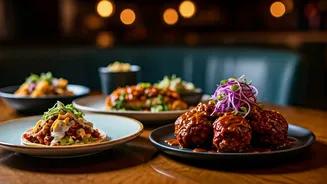
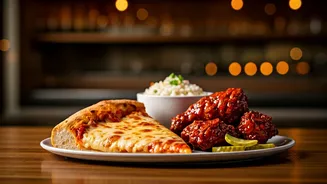
No dish better illustrates this model than Nashville hot chicken. For most of its history, it was an intensely local food, known primarily to residents of Nashville’s Black communities. Its origin story at Prince's Hot Chicken Shack is the stuff of legend. The chicken wasn’t just spicy; it was punishingly hot, a test of will as much as a meal. In the 2010s, it exploded. First came the food festival appearances and glowing media profiles. Then, KFC launched its own version in 2016, and the floodgates opened. Soon, Popeyes, Shake Shack, and countless other fast-food and fast-casual brands were selling their take on 'Nashville hot.' Of course, most of these versions were significantly toned down, offering a hint of cayenne and paprika rather than the sweat-inducing inferno of the original. The name itself became a valuable piece of intellectual property, a signifier for 'spicy and a little bit Southern,' even if the product bore little resemblance to the real deal from Prince's or Hattie B's.
The Authenticity Paradox
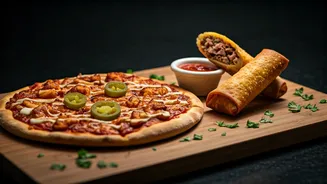
This trend presents a central paradox. Chains adopt these flavors to tap into their authenticity, but the very act of scaling them for a national audience often destroys what made them authentic in the first place. A recipe designed to be made in small batches by a skilled cook has to be re-engineered for a global supply chain and minimally trained teenage employees. Complex spice blends are reduced to pre-mixed sauces. The specific cuts of meat or types of bread are swapped for standardized, cost-effective alternatives. While this brings new flavors to a wider audience, it also raises questions of appreciation versus appropriation. The originators—often small, family-run, or minority-owned businesses—rarely see a dime from the multi-million dollar marketing campaigns launched by the national giants. The 'currency' is extracted from the region, but the profits flow to corporate headquarters, leaving the local culture as little more than a marketing footnote.