
The Center of the Plate Has Shifted
For decades, the American restaurant plate followed a predictable formula: a large piece of protein, a starch, and a vegetable afterthought—often steamed into submission or hidden under a blanket of cheese sauce. But a quiet revolution has been building,
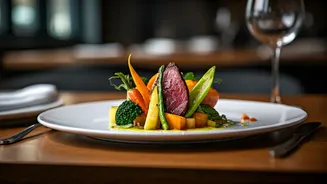
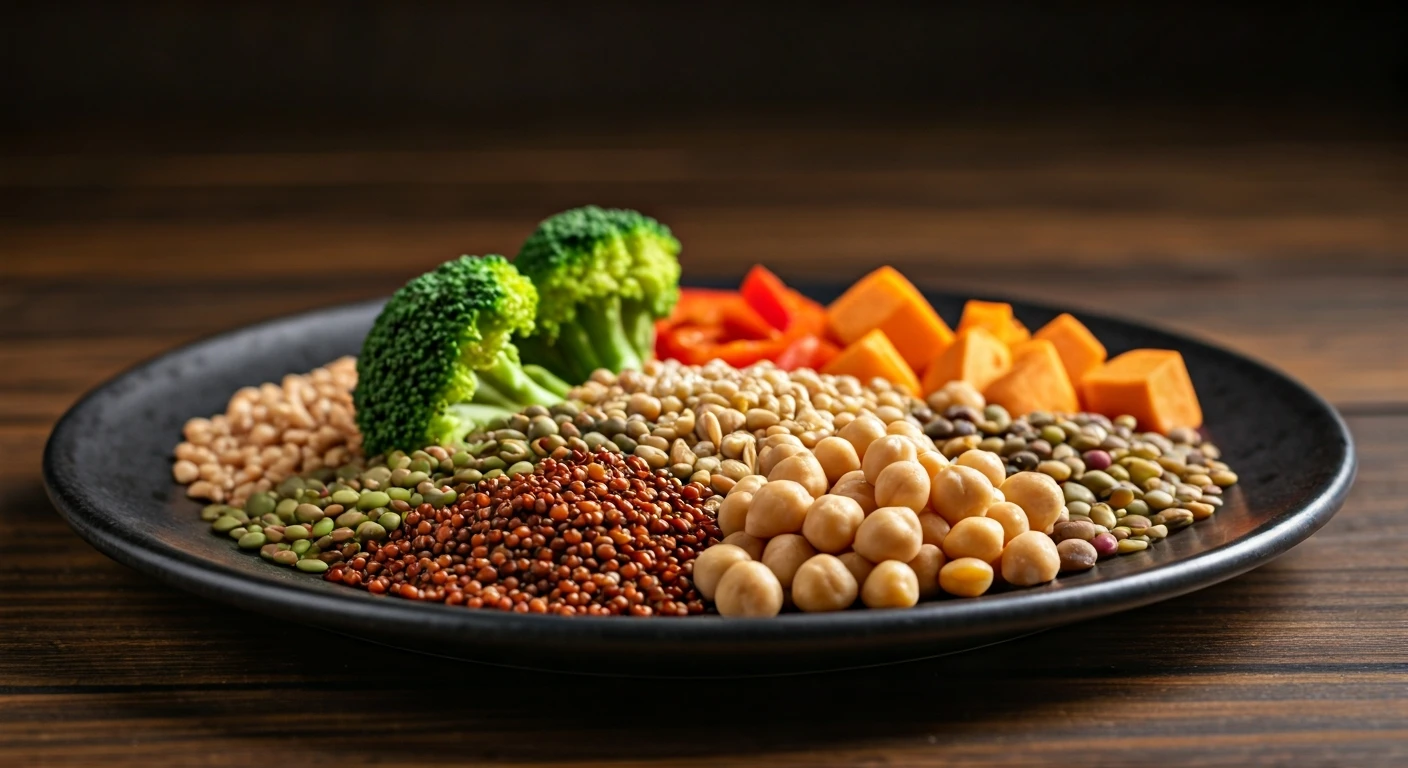
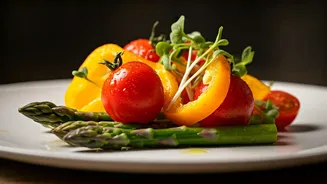
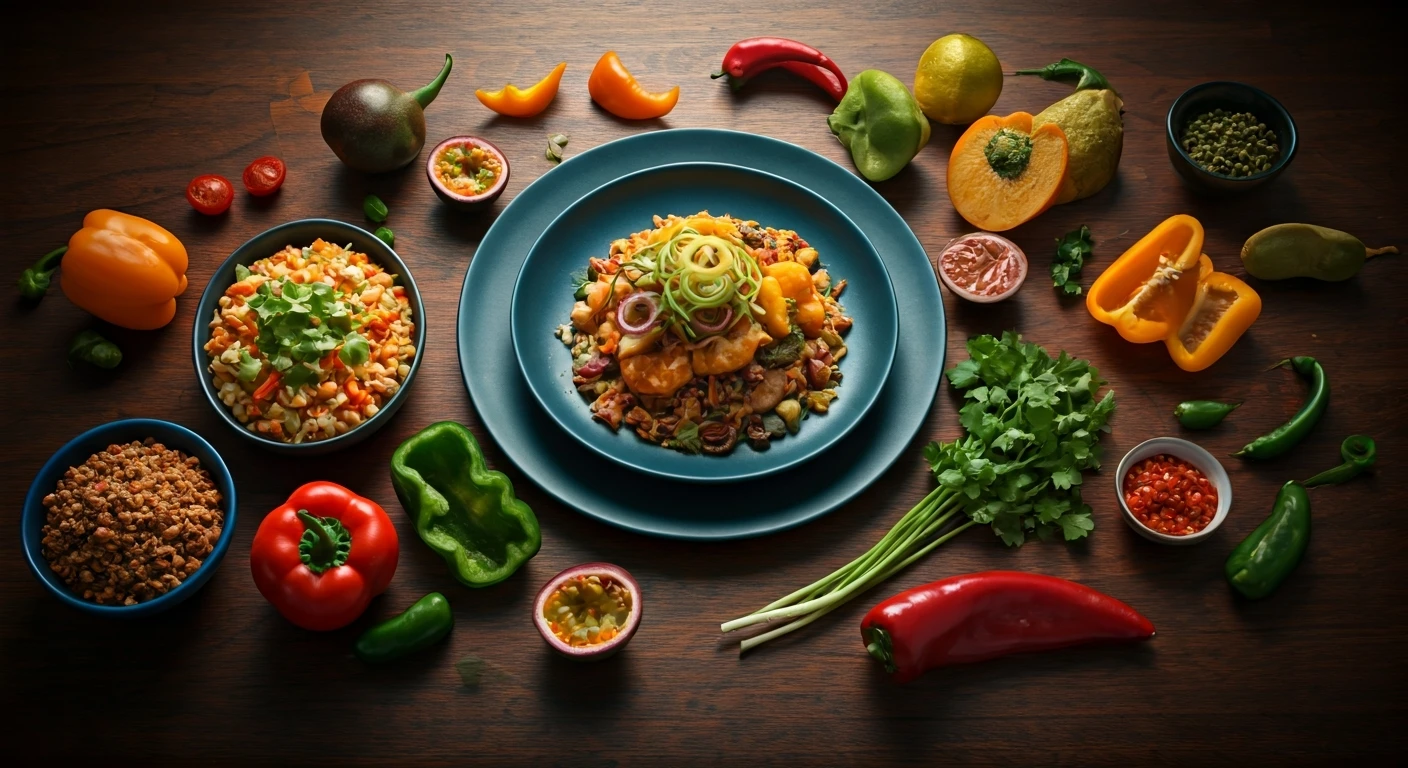
and it’s finally hitting the mainstream. This isn't about veganism or vegetarianism, though it welcomes diners of all stripes. This is a culinary philosophy shift. Chefs are now building entire dishes around the complex, earthy, and surprisingly versatile flavors of vegetables. They're asking, “What if a carrot could be as exciting as a pork chop?” And the answers are proving to be delicious. This new approach, often called “vegetable-forward” or “plant-forward,” treats vegetables not as an obligation, but as an opportunity for invention.
Techniques from the Meat Locker
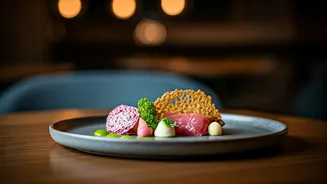
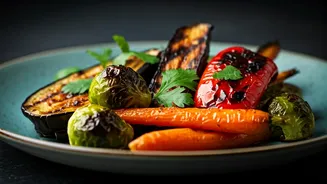
So what exactly is this “restaurant-level energy”? It’s about applying high-end techniques to bring out the best in produce. Fire is a key player. Forget boiling; think blistering, charring, and smoking. Cabbages are being seared whole over embers until they’re sweet and tender. Eggplants are getting blistered until their skin is ash, revealing a creamy, smoky interior. But it goes further. Chefs are borrowing directly from the carnivore’s playbook. You’ll see “beet tartare” on menus, where beets are finely diced and seasoned to mimic the classic raw beef dish. Mushrooms, with their savory, umami-rich character, are being treated like steaks—seared hard in a cast-iron pan and basted with butter and herbs. Some kitchens are even experimenting with dry-aging vegetables like carrots and squash, a process that concentrates their sugars and deepens their flavor into something entirely new and profound.
Why This, and Why Now?
Several forces are driving this green-tinted trend. First, diners are more health- and environmentally-conscious than ever. People are actively looking to eat more plants, and they want those plants to be exciting, not just a virtuous sacrifice. Second, from a culinary standpoint, vegetables offer a fresh canvas for creativity. There are only so many ways you can cook a chicken breast, but the sheer diversity of the plant kingdom—from roots and tubers to leaves and fungi—provides an endless playground for a curious chef. Finally, there's an economic angle. While these elaborate vegetable dishes aren't always cheap, high-quality produce can offer better margins than expensive proteins, allowing restaurants to invest more in the labor and technique that make these dishes shine. It’s a win for the diner’s palate, the chef’s creativity, and the restaurant’s bottom line.
What to Look for on the Menu
When you’re dining out, keep an eye out for dishes that put the vegetable’s name first and foremost. Words like “charred,” “smoked,” “fermented,” and “roasted whole” are good indicators that you’re in for a treat. Look for menus that describe the preparation of a cauliflower or a carrot with the same detail they give to a short rib. You might see a “Celery Root Shawarma,” where the humble root is cooked on a spit and shaved, or a “Carrot Wellington,” wrapped in pastry with a savory mushroom duxelles. These aren't just sides that got promoted; they are intentionally conceived dishes designed to deliver a complete, satisfying, and often surprising experience. Don’t be afraid to order the cabbage—it might just be the best thing you eat all night.